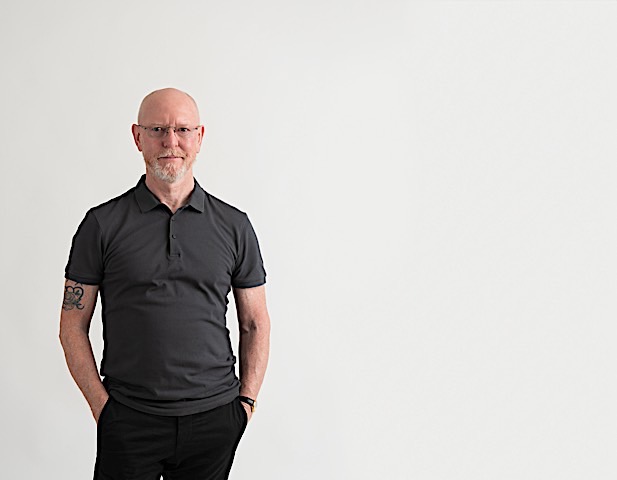


Melisa Liberman Business Development: Building a Sustainable Consulting Practice Without Employees
Melisa Liberman built a thriving consulting practice through an accidental start 13 years ago when her CEO asked her to stay on as a management consultant after she resigned. Now a coach for consultants, she reveals the systematic approach that helped her—and hundreds of clients—build sustainable businesses without returning to corporate. This episode challenges common assumptions about lead generation, revealing why traditional pitching fails and what works instead. You'll discover the Business Development Formula that makes revenue predictable, learn how to position AI as capability amplifier rather than threat, and understand why consultants who embrace strategic frameworks scale faster than those chasing quick fixes. Melisa shares practical tools including her pipeline diagnostic and six pathways for creating consistent leads without cold outreach spam.


Melisa Liberman accidentally started consulting 13 years ago when her CEO asked her to stay on after she resigned to move to Hawaii. That unplanned beginning revealed something most consultants learn too late: that success comes from systematic business development, not perfect pitches.
Now a coach for consultants, Melisa helps experienced professionals build practices that generate $500,000+ without employees or feast-famine cycles.
In this episode, you'll discover why consultants who think like CEOs rather than subject matter experts scale faster, how the Business Development Formula creates predictable pipeline through quantifiable metrics, and why diagnostic conversations eliminate adversarial selling.
Melisa explains six pathways for generating leads without cold outreach spam, reveals how AI amplifies consulting capability while human judgment justifies premium rates, and shares why fractional support networks replace traditional hiring.
If you're building an independent practice or considering the transition from corporate, this conversation provides strategic frameworks rather than motivational platitudes.
Melisa Liberman's Resources:
- Pipeline Scorecard Assessment: pipelinescorecard.com - Diagnostic tool that evaluates lead generation effectiveness
- IC Growth Podcast: icgrowthpodcast.com - The Grow Your Independent Consulting Business podcast with 250+ episodes on building sustainable consulting practices
- Melisa's Website: melisaliberman.com
- Consultant Sprint: consultantsprint.com - January lead generation sprint using proven process to fill pipeline with group of consultants (waitlist available)
- Melisa's Book: Available through her website, includes chapter on working "on the business" (WOB) vs "in the business" (WIB) to prevent feast-famine cycles
AI Tools Discussed:
- ChatGPT (paid subscription recommended)
- Gemini - Alternative AI tool for research and technical problem-solving
Connect with Melisa:
- LinkedIn: Melisa Liberman
Practical ideas for independent professionals building practice on their own terms. Arrives Tuesday. Subscribe free at wisepreneurs.com.au
Connect with Nigel Rawlins
website https://wisepreneurs.com.au/
Linkedin https://www.linkedin.com/in/nigelrawlins/
Twitter https://twitter.com/wisepreneurs
Please support the podcast
https://www.buzzsprout.com/2311675/supporters/new
Stay one step ahead with The Wisepreneurs Insider newsletter
As a subscriber, you'll get:
- Sneak peeks at upcoming must-listen podcast episodes and guests
- Bonus wisdom straight from recent guest experts
- Marketing tips to attract your ideal clients
- Productivity hacks to streamline your independent business
- And more exclusive insights are delivered right to your inbox!
- Don't miss out on these invaluable resources
- Subscribe now and gain the edge you need to survive and thrive as a wisepreneur
Nigel Rawlins: Welcome Melissa, back to the Wisepreneurs podcast. You were last on episode 39, which is about a year ago. So I'd like to welcome you back.
Melisa Liberman: Nigel. Thanks for having me. It's so good to be here. We were just chatting before we recorded and it's always good to talk with you.
Nigel Rawlins: I was recently, listening to one of your podcast episodes about, what we call marketing. But before I go into that, let, let's just recap something about yourself and how you got into independent consulting coaching.
Melisa Liberman: Hmm. Amazing. All right, well, let's see. I am Melissa Liberman. I am a coach for consultants helping them to grow their businesses. And the way I got into this is almost 13 years ago now, which is really crazy. It was an accidental situation. I was an executive at a tech startup helping build out all of their implementation, division.
My husband got an opportunity to go back to school in Hawaii. And so had faced the choice of moving to Hawaii or keeping my corporate job and climbing the ladder, it sounds like an easy choice, but it really wasn't. It was really hard to leave that corporate career and what my goals were there.
But we made the decision as a family to move to Hawaii, so I resigned, and when I resigned, the CEO asked me if I would stay on as a management and strategy consultant. And so that's the beginning of the, of the path. And that was 13 years ago. It never really dawned on me to even offer that.
I didn't think I was old enough, which I was at the time, but I didn't feel like it or smart enough or any of those things. So for him to have asked me that, really set me on this path. And, over the course of time I consulted helping startups scale. But what I really loved was working with the executives and helping them with influencing the CEO and helping them to better manage their teams.
And all of the coaching side of the work that I was doing, a lot less of the, in the weeds, day-to-day type of work. And so, what has happened is that it evolved into an executive coaching practice, where I was helping executives, you know, just from a coaching perspective and not as much, hands-on delivery.
And then over time, for the last seven or so years, people keep asking me, how do I wanna do what you're doing? And so I just feel so passionate about helping other consultants to be successful. So many of us are really good at working with our clients and we love helping our corporate clients to achieve the goals that they're looking to achieve and to leverage our expertise.
But we're not so good at running our own businesses on selling ourselves or what we think. We're not actually selling ourselves what we think we are. And so it's easy to get tripped up on running the business and then over time feel like it's not a sustainable situation and go back to corporate.
And I just wanna help people, avoid that. Taking that step back to corporate unless they truly want to
Nigel Rawlins: Now that, that's quite fascinating because you said scaling up was what you were doing. Can you explain what that means?
Melisa Liberman: Yeah, really. I think I look at scaling in a couple of ways, especially as a solopreneur, as an independent consultant. I like to look at it in a couple of ways. One, which is really scaling the way you're thinking about your business, whether you end up taking on other subcontractors or other vendors to help you, or maybe you stay solo, truly solo in your business model, the scaling up,
supporting your ability to make more money to work fewer hours, to have more impact for your clients and to have more autonomy. And that all starts with the way that you're thinking and the way that you are thinking about the way you're running your business, the way you're thinking about your clients, the way you're thinking about the value of what it is that you offer.
So from a, for a independent consultant, you can truly scale up what you are doing by making more money, working less. through starting off with the way that you're thinking about what it is that you're doing, because traditionally we think about scaling as, adding more staff members and hiring employees, and most of us don't want to
deal with any of that anymore. We've done it in our corporate careers. Of course, you know, for me, for example, I consider myself an independent consultant. I'm the one who's delivering all of the services to my clients. I have support people who I've hired to work with me. They're also independent consultants who are experts in their field,
and to buy back some time in that way. But ultimately we can, you know, as independent consultants grow and scale our businesses, and we have so much opportunity to do that in different ways.
Nigel Rawlins: That's interesting as well. So what do some of these independent consultants actually offer?
Melisa Liberman: Hmm, oh gosh, such a range of offerings. Some of them are coaches, like executive coaches who work with their corporate clients on a one-on-one basis. Others work with, groups of corporate clients. So, one example is a client that I have who works with groups of tech startup founders helping them to increase their client retention and overall client lifetime value.
So he's delivering that in a model that's more of a group fashion, which is, something that's really interesting and building out cohorts of these tech executives and other consultants are doing things like strategy consulting, marketing consulting, AI consulting, so many different types of consulting.
Really, whatever you can make up, you can figure out where the market is for it.
Nigel Rawlins: So, in terms of somebody who's been working in corporate for a while, they've, they've heard about you and they've decided, okay, I'm sick and tired of this, I wanna have more control over my life, why should they hire a coach? And I think you hired a coach when you first got out. So can you talk about how a coach really can help you?
Melisa Liberman: Yes, absolutely. And I didn't hire a coach initially. I didn't even mean mean to do this. It was on accident. And so to me it was just creating extra income when we were living in Hawaii, which was incredibly expensive and I never thought of it as a business. I just thought of it as this is generating extra income.
And then we moved back from Hawaii to the mainland in Colorado and I started getting people from my past calling me, asking if I would come back working full-time. And there was a juncture where I had to make a decision. Do I wanna get back into the corporate path or do I wanna continue consulting?
And that's the point at which I decide I, I, I'll never go back. So I turned all of those offers down, but I realized at that point I needed to take this more seriously and treat it like a business. And so that's the point at which I hired a coach and really started trying to figure out what was I offering, who was I offering it to?
Why, why was that valuable? How could I create a pipeline, beyond just calling up old colleagues and, and checking in and, um, networking and seeing what kind of work they had to make it more intentional. And then what did it look like to sell consulting services? When I was in corporate, I was involved in a lot of those steps because it was a startup, but I didn't own them
at the end of the day, I was more of a subject matter expert. And so I had to learn all of those skills. And also on top of it really, so often we take it personally and so there's so much of a mental aspect to this as well. And so that's why for me, a coach, having a coach was so valuable.
And you know, likewise when I work with other consultants, whether they're brand new to consulting or they've been in business for 20 years and want to figure out a way to reach their goals more repeatedly. What I find from a coaching perspective is having that external sounding board, having someone who's been there and done it themselves, so they know what questions to ask or where you might be going off on a path that
that has, pitfalls that you might not realize are there. And helping to really create a succinct plan of action to execute that plan with a mindset that will set you up for success and to stay accountable without trying to talk yourself out of the plan,
watering down what your goals are. So to me, every time I work with a coach, which I have one, all the time, since I hired that very first one, sometimes more than one. I find that my ability to succeed is accelerated. The joy with which I'm succeeding has increased and the fulfillment that I'm experiencing.
And it's just so helpful to have that kind of trusted person that has no skin in the game in the sense of they're not trying to get you to do something, for a certain reason. They just want you to be successful. So, that's where I've seen coaching to be so incredibly important, especially for consultants who, who, uh, a lot of what we're doing is new to us.
Nigel Rawlins: One of the interesting things there you said is you are a coach and yet you hire coaches as well. So what are some of the other coaches that you hire to help?
Melisa Liberman: Yes, and at the moment I have two coaches that I'm working with. One is he is also my fractional CFO. So he does my bookkeeping and my CFO type of strategy and that side sort of thing. So it's really helpful for him to be embedded in my finances and the financials of the business.
So we meet about that once a month, and then the other three weeks of the month we meet about my business and what the strategy is. And sometimes we're working on things that are, you know, what is the 2026 plan look like and why is it like that? And what am I, um, kind of underselling myself on and what have I overestimated.
And him poking holes in it, especially because we've worked together a long time. He knows, he knows my patterns at this point. And then also really helps me in the moment, like if there's something that I'm struggling with that feels challenging or situational um, is able to help me in those issues too.
So I, use a combination of talking to ChatGPT about some of the stuff, but I find that working with a human and one that really understands the business and also my particular tendencies the ROI is immeasurable.
Nigel Rawlins: So are these people online or are physically present locally?
Melisa Liberman: Ah, yeah, they're online. So I've never met my coach, in person strangely enough. He was one of the teachers when I got certified. And then we reconnected many years later. The CFO coach is in Utah, which is one state over from me. And then I'm also in a group program right now which is more of a collective sort of mastermind program and that is an interesting experience. It's just different experience, right?
Sometimes it's so helpful to hear what challenges other people are facing, which you don't even realize that that's something that you're facing and haven't even realized it, or it's something that's in the road ahead that is helpful to be aware of. And to be able to hear other people getting coached where your head isn't in that moment, is really helpful as well.
So, those are the two coaches that I have at the moment.
Nigel Rawlins: So now I wanna talk about business, and then I wanna talk to you about lead generation that you do talk about, that, you know, that really told me that I need to talk to you again, for my audience. Say for example, what would be the best point for, say somebody who's been working in corporate to come out and work for themselves and what do they need to know about business?
Melisa Liberman: Yeah, oh, this is a tricky question to answer. I think maybe a good way to answer this, Nigel, is I talk to a lot of consultants every day. I talk to people who want to be in consulting every day. I just immerse myself in this world. And when people come to me who have not yet left corporate and they want to talk about, you know, what would it look like to move over into consulting, the first thing that I always look for is what experience do they have?
Do they have unique skillset that they've built, perhaps in a certain industry or with a certain function that they've got a background in where they would be able to advise their clients, where they would be able to walk their clients through a process to accomplish a certain outcome?
Occasionally people come to me that don't have that body of experience, and we're not talking about 50 years of experience, but certainly a variety of experience that they can bring to bear, so that they're able to talk with authority and from an expert perspective. Sometimes I get people coming to me and they don't, you know, they're pretty green and so I advise them go, you know, figure out what you wanna be doing as a consultant, and then go work on getting experience,
within your current role or within other companies so that you can build up that portfolio. The other thing that I think is really important, sometimes we discount that as well, it is crazy to me that this happens, but I see it so often and I have experienced it myself, that so many of us have imposter syndrome.
People that have PhDs, people that have all the letters behind their name, or they went to Harvard, I mean, you could look at them on paper and think, there's no way this person has any confidence issues. But when you actually start talking to them, you start to realize that we're all human and most of us do have these self-confidence and second guessing and doubt,
at times. And so I wanna point that out because sometimes we think, well, I don't have enough experience yet, or I need to go get more certificates, or I need to go get a different kind of knowledge and they overlook what they already have. I find that to be more common than someone thinking that they wanna go into consulting and they don't yet quite have the portfolio to go do that.
Nigel Rawlins: That's one thing I notice and I, I dunno if it's more for women, I I come across people who are so talented and they don't think they are, and I'm going, wow, you're smarter than I am.
Melisa Liberman: I know, right? One of the coaching assignments I give them is to really sit down when they say to me, I've never done this, well, maybe you haven't done it in this exact way. You haven't been a consultant before, so you've been paid in a different way, but let's just start documenting,
all the ways you actually have done something similar, however you were paid or not even paid at all. That doesn't matter. How do you actually have this experience? Experience that you think you don't? And they could come back with these pages of pages without, you know, is sort of like we get amnesia.
Nigel Rawlins: They've worked in an organization, they decide they wanna be a consultant, they've spoken to you. One of the things they obviously need is some sort of income coming in. How do you tell them what a business actually is in their consulting career, they had
a marketing department, they had the finance department, they might have had a research department, but now they're their own CEO. So tell me what it is to be their own CEO.
Melisa Liberman: Yeah, they are running. They're wearing all of those hats, right? They're responsible as the business owner, as the CEO of the business, as the person who's responsible for sales and marketing and delivery. And oftentimes because it's the easiest thing to focus in on, we focus on delivery.
And we forget about all those other things because we don't like to do them or we don't feel comfortable doing them, or we are not very confident doing them, or we don't even know what they are in some cases. And so we neglect those things about working. I call it working on the business WOB, and working in the business WIB.
There's a chapter in my book on the combination of those two things and how to keep them in balance and equilibrium so that you're not experiencing feast or famine, which is so common for consultants. And so oftentimes I find consultants fall into this, you know, either they were, let go unexpectedly or they decided to quit and landed a consulting engagement kind of unexpectedly.
Or maybe they even intentionally decided to start a business. I always love to help them think about, okay, your job as a CEO of a startup is to generate revenue. Your job is not to go like, get ready. I was talking to someone a few months back and she was like, I spent a whole year getting all the ducks in a row, all my foundation in place, all the whatever,
and of course that's water under the bridge now, but I just wanna implore anyone who's listening who might be thinking that they should spend some time getting all these things ready, that you could spend a few days if you want, but really your job is to go generate revenue. And you need to figure out, it doesn't have to be perfect revenue.
It doesn't have to be, the type of work you wanna be doing forever. But when you're running a business, your job is to go figure that out. And so I like to work with clients on, okay, let's figure out some low hanging fruit here to start generating revenue, to give you some more peace of mind, to give you some more
space so that you've got money coming in, and then you can start really building out the airplane sort of as it's flying.
Nigel Rawlins: You mentioned feast or famine. So obviously we're we're gonna move into the pipeline and marketing, but how do you actually get them to do the marketing? Because I've been running a marketing services company for 25 years. My job is to help 'them do the marketing, but I, I've virtually gotta get there and strangle 'em and say, give me the materials so I can put it on your website or rewrite the materials.
That's my biggest issue at the moment. I'm I'm trying to do, um, a a big section in a, as part of a website, uh, for training and downloadables. But
Melisa Liberman: Hmm.
Nigel Rawlins: I can't get the stuff out of them. I I said, look, I'll interview you. I'll write it. Just give me that time.
Melisa Liberman: Right. Well, the first thing that I love to do with clients is to help them make it more tangible. So we sit down and we create something that I call the business development formula. So we know exactly, because as a consultant, we love numbers. we love to know, okay, my hypothesis is if I do X I'll get Y results.
So instead, we wanna make it as tangible and as immediate of feedback as possible. Immediate results as possible. Um, we're not talking about kind of long-term, uh, reputation building that can be layered on later. What we're talking about is starting off with how do I create a process that will create leads so that I can see that the effort will create results.
And so the way that I do that with clients is starting off with this business development formula where we literally figure out what are they wanting to sell and putting that together and then coming up using some formulas, figuring out exactly what quantity of things that they need to do, like quantity of conversations, and then how are those conversations getting created so that they've got really tangible metrics and tangible targets that they need to work on every single week.
So it kind of gamifies it, you know, none of us really wanna come to a coaching call next week and say, oh, I didn't do that. So it helps to have that accountability, to have a bit of gamification of you're gonna do 10 of these thing, you know, 10 have 10 conversations this week, and then let's talk about what those were and really dial it in so that more conversations turn into opportunities, for example.
Having those kinds of targets and having a shorter path to creating leads, I find is something that motivates people to be more consistent.
Nigel Rawlins: IBasically you are saying they have to spend time on this in
Melisa Liberman: Uhhuh.
Nigel Rawlins: of
delivery.
Melisa Liberman: That's right, that's right. In addition to delivery, they have to spend time, and the way I love to do that is to say if your business is always is one client on your roster. So let's say that you wanna work with three clients at a time, or five corporate clients at a time, whatever that is.
Then one of those is your business. And you don't just ignore a client because you're busy with the other ones you you treat it like a client. And that helps to also protect the time and priority as
well.
Nigel Rawlins: That's why I want to strangle some of my clients. I'm just saying, yeah, you can't just, it's, it's like, you know, the tradespeople who come around to do work, they, they have to quote, but they, they quote later and then they take forever to get back to you and they, they forget. You cannot be on the tools all day or you cannot be, you know, doing your delivery all day.
You've got, well either set a day, but it's so hard for them to do it. That's when I talk about running a business, that that CEO is that marketing and that, and in fact, that that positioning is probably, or positioning what we call pipeline, is probably the most important. 'cause that is direct, almost proportional to your revenue, isn't it?
So let's talk about that bit.
Melisa Liberman: Yeah. Maybe before we do, I just wanna add to what you just said, which is about the mindset of this, and that's what the most important thing is, is that you're not thinking like a consultant, that you're actually physically realizing I need to put a different hat on right now.
And my hat on right now is either the CEO or the CRO revenue officer, or the SDR, the sales development rep. Right. And that SDRs job, which is crazy that people choose this job, but they do is to create leads all day long. That's their job. And so that's part of your job when you chose this profession, when you chose this career path, when you chose to own a business.
And so recognizing that that's part of this and thinking in that way is, incredibly important.
Nigel Rawlins: I totally agree. You mentioned having conversations, now I'm on LinkedIn I I post a little bit and I write an article most weeks, and and then I get people who want to connect with me. Some obviously very annoying 'cause you say, oh, okay, I will. And then you get a sales message saying, oh, you know, let's get on and I've got, you know, take 10 minutes of your time.
And I get emails like that as well. And then I get others who are not like that obviously. Obviously there's certain countries that chase work with you, but then there's others who say, oh, I'd like to get on a call with you and and talk about how, you know, we might work together. That's really annoying to me.
And so, you know, I'm very reluctant to, connect with people on LinkedIn like that, but is that what you're talking about? Get on a conversation. So that's the, the danger of this is they're trying too hard sometimes.
Melisa Liberman: Yeah, I, I mean, that's the hardest. I, I have consulting clients who have chosen a cold outreach path. I teach six pathways to create leads, and I like to help the client to choose their own pathway by really looking at the intersection of what do they wanna be doing, maybe what's most palatable, and then also what do they think is most resonant with their ideal clients? And so out of those six pathways then our goal really is very simple. It's number one, figuring out what is the business model that you wanna bring to life?
If you have, let's say, a $500,000 goal, then you would break that down into what are the types of engagements I'm selling? How many quantities do I need to sell? What's the average contract value? Very simple, right? Figure out the math, then figure out what your lead general approach is and, and figure out these quantities.
So that's kind of the first piece of this. And then the second piece of it is how do you create those quantities? How do you create ultimately, at the end of the day, we need to have conversations. We need to meet with people, we need to add value in some way, and we need to propose a next step. I call it the map process, and the map process is number one, how do we meet people? You can meet people in a lot of different ways. It can be effective if you do it in a tested way in a lot of quantities to do cold outreach, it's not my favorite path, but it can be done. What I found to be much more effective, and something that resonates with consultants a lot more, are things like speaking, attending events,
sometimes not even buying a conference ticket, just going and hanging out in the lobby and meeting potential clients. Attending events, networking with people in your warm network that introduce you to other people, working with channels so that, you know, um, similarly to you and I, Nigel, we work with similar types of people in some ways, building channel relationships with people so that you're working with people that have a relationship with people that you both work with the same type of client in different ways and can support each other in that way.
And so those are the different types, some examples of those pathways that you can use to meet people, but it certainly doesn't have to be this idea that I think most of us have, that somehow we need to be, messaging people in the LinkedIn, messages to generate leads.
No wonder no one wants to do it.
Nigel Rawlins: It's actually quite annoying. So one of the things I heard there is what I call complementary. You know, working with other people and there's a huge amount of work out there, and you don't necessarily have to do it on all on your own.
So finding people who complement you in your business. Now you mentioned you have a, a CFO that you work with and another coach. These are extensions of your business, they, they're not full-timers. Um, you have your business and then you have some subcontractors you obviously work with. So when we describe our businesses today, we're not really working on our own anymore.
Charles Handy talks about a shamrock business and he wrote this 20 or 30 years ago and it, it's starting to make sense and especially if we start adding AI, 'cause you mentioned ChatGPT
earlier, I'd like to talk about that. Should we, start talking about the pipeline or would you like to talk about how AI compliments?
Melisa Liberman: Yeah, we can keep going on the pipeline and then end on AI.
Nigel Rawlins: Alright,
let's go back to, getting clients. you talk about a pipeline and and that was the, episode on your podcast I listened to and I thought, yeah, we need to talk about this. So tell me about the pipeline. This idea about keeping working on getting a client flow.
Melisa Liberman: Yeah. so far we've talked about you wanna know your numbers. What is your target? If, let's say your goal is to create a $500,000 business in a year, and you think that you might close half of the deals then you need a million dollar pipeline.
So then your question becomes, how do I start filling up my pipeline to be a million dollars? And so then you start building out a lead gen plan for that. I love the questions of who has already amassed an audience of my ideal clients, the answer to that question can help you to find things like events and speaking opportunities and channel partnerships.
And I use the word partnership very lightly, I'm not talking about a formal partnership, but more of a relationship. So, that then you're able to start having conversations with people who could be your ideal clients, and then to fuel the creation of the pipeline. It's not just a conversation.
Your goal is to uncover opportunities. And one of the ways that I love to simplify this is by creating a very simple, what I call client journey. What is the first step that a potential client of yours might want to take or need to take in order to understand better the type of problems that you help them solve?
To better get a understanding of what kinds of outcomes you could help them to achieve. So the first step, let's just say maybe you're at a networking event, for example, and, you are having a conversation with your ideal client. You might offer them, you know, listen, I heard you explain that you're wanting to accomplish this certain thing next quarter.
I have a diagnostic that I love to run my clients through to really understand better where their areas of opportunities are and where their strengths are, so they aren't spending as much time in those areas. They're already in place. Is that something that, you know, would you be open to having that conversation?
It'll take us about 45 minutes and I'll ask you a lot of questions and I'll produce a report for you so that you can get a better sense of planning ahead for whatever that thing is. That's the first step in that prospect to client journey as an example. I call it the get your foot in the door offer where you're getting your foot in the door, you're not charging for it.
Eventually it is something that you can get paid for as well, but it helps you to start adding value to that particular client or potential client and start to really add value, build a relationship, and better understand that organization so that then you're able to make proposals to them,
of, next steps that would benefit them and of course you would be paid for.
Nigel Rawlins: Now that's perfect, yeah, the idea of a diagnostic, I think is very important. Obviously you have to have a relationship with them. The the person who was my mentor for many years, and unfortunately he passed away, was a former Hewlett Packard marketing manager for Australia, and he was brilliant.
He would work with me, he was the consultant, I would get the marketing done, that, that's what I've been doing for many, many years now. And he would go in and have conversations with them, but he was able to listen very carefully and then ask them questions and you could see them jolt a bit, but they hadn't thought about it.
So he'd have a few conversations, but the other thing he'd say about that is he knew it was an intervention, that would, you know, cause some perturbation and help them identify it. Now the thing is, he, he was very gifted in understanding organizations, but from a marketing perspective, uh, and, but that diagnostic was a very important thing and obviously he had those questions in his head, but he would go through and, and that's what I think you are talking there about, you 've got your own diagnostic that you use with your potential clients or coaching clients, and yet they can model that from you as well and, and use that as part of their sales process, and and it's a very important thing, but it's still an intervention, isn't it? Even if you do it for free, you've actually changed that organization.
But even when you do a a free talk to somebody, or even now we're intervening in people's lives and making 'em go, oh, I, I need that. And, and that's what I'm hoping that people are hearing is, you know, if they're a bit lost, they've got, they're a consultant and they have got some money behind them.
Get a coach now. Well,
Melisa Liberman: Yeah.
Yeah.
Thanks, Nigel. I think it's so important, really, because you know, when you think about, oftentimes I hear from consultants, I need to fix my pitch, or I need to improve my pitch. I'm like, that's the wrong path. You don't need a pitch. This is not about pitching something to someone.
It's actually about being a consultant ahead of time. And helping that particular client to understand and to have that kind of aha moment that you just described or that, oh, wait a sec, I didn't even think about that, right. That it's so important, I just hired a fractional COO couple of weeks ago and
I interviewed three or four of them, and the reason that I hired the one that I did is because she asked me the most simple question. I don't actually remember what it is right now, but it was something about my process and I hadn't even thought of it. And it was the most obvious.
If I had asked ChatGPT it probably would've told me, I didn't even know to ask ChatGPT that question, right? And so I think in her mind it was probably a very, just a non non, um, charged question. But that's what made the difference is knowing, oh, she knows what she's talking about.
And I think that's so helpful for us as consultants to know that if you don't have to pitch something, you don't have to worry about being salesy. If you can engage your consulting skills ahead of time by asking really good questions, to understand and help people to see where they may have blind spots, that's the most powerful way to sell
Nigel Rawlins: Yes. My former mentor used to say, the answer is in the question.
Melisa Liberman: Hmm, I love that. I
love
Nigel Rawlins: What's a COO?
Melisa Liberman: A fractional Chief operating Officer. I, you know, by trade I'm a project manager. I love, that's what I started my career at Accenture doing, managing project. And I love managing projects, but now I have a lot of them going on in my business and, even though I'm really good at it, uh, it's not the best use of my time at the moment.
So she's taking on all the moving parts in my business a lot of the technical side of my website Emails my schedule and, it frees me up to work on content, on my podcast episodes, to have a talk with you today.
Uh, and that's ideal. And and when we talk about the revenue that's coming in, it's not all to be kept, it's to be
Nigel Rawlins: used,
and if you can get into that ideal position that you are, that you can concentrate on what you do best is the best thing. Now, one of the things I wanted to talk to you about is, again, what my mentor used to point out to my clients is he would charge a lot of money. But he said to them, when I'm finished, you are going to be able to continue earning this revenue for many, many years. And that's the point about a coach in the short term, 'cause if somebody's thinking, oh, it's gonna cost me a lot of money, but they've gotta remember that they're gonna be able to use the knowledge that you impart for many years to come.
So it's actually worth quite a lot to them. In the short term, it might be expensive, but in the long term, they're gonna get the return.
Melisa Liberman: Yeah, that's exactly how I think about it when I hire my own coaches. So, you know, when I first started consulting and I wanted to go to a conference that wasn't for a particular client, it was more for my own knowledge, it was shocking. I was like, wait a second, there's no one to put an expense report back into like, this is actually my own money.
And it felt like at the time it felt like it was taking money out of my bank accounts, and I mean, it was technically, but the point is, is that as you start to think more as a business owner and as a CEO and not as an employee or as a consultant, even then you start to think about how am I going to use this money that's coming into my business to accelerate what I'm wanting to accomplish, to make it easier to accomplish what I want to accomplish?
And for me, I think about hiring like my coach, those two coaches that I'm working with, I think about, okay, I'm gonna pay them X amount. Do I believe that by engaging them that it's going to create a return on investment. And it might not be right away in that, you know, in the timeframe it might be over the course of a year, do I believe that I'll have a two or three x return?
And the answer is almost always yes. Even the fact of getting on a call with someone and having them say to you, I do this so often for people because they come to me and say, oh, I, my goal is 200 K. And I say, why do you have that goal? Oh, that's what I made in corporate. Well, I see where you're at right now, and I know what, people charge and what they can, what they can charge. Let's make your goal 400 K and we need to work with some goal resistance. We need to work with some fear. But let's, let's double your goal because I know you can get there and to even have that kind of conversation, I know with me, having talked with my own coach early on, for her to say something like that to me just kind of blew away all the possibility of what I ever imagined I would ever set a goal at. And so having those kinds of conversations for me, that's where I've found that the investment, well, it can be sizable to work with a coach, is, um, it can be easily be compounded if you are thinking about it in a way that's, will lead to that ROI.
Nigel Rawlins: That, that's the whole point about revenue is that, as I said, you can't get to keep it all. So as a percentage of that revenue, you need to spend on your marketing and running your business and part of running your business is sharpening your mind in that area. One of the things about consulting, obviously in the past is that the consultant would do a lot of work by themselves. Now that AI has come into the, into the picture, not all tasks need to be done by the consultant anymore. So some of them can be augmented with AI and even become part of the business. So how are you seeing AI affecting consulting?
Melisa Liberman: I'm seeing two paths here with AI. The first is the impact of AI on a consulting business as a business, and the second is the impact of what a consultant offers to their own corporate clients. So if we start with the business impact, the internal business impact what I found is that it, you know, the more comfortable you can get with AI the more that it is able to save you time. And so you may be able to deliver the same type of output to your client in half the time. And if you're, if you're charging in a way that isn't attached to your time, like for example, you're not charging by the hour or by the day, you're charging by the outcome, then that differential is your greater profit.
The other thing that it's able to do is automate so many different tasks. I mean, I, I've been doing a little bit of coding using it, all sorts of things that are not my personal expertise. But because it's really easy to talk to and figure out, it is something that a lot of times I think can allow you to, take on some of the super simple tasks and get those done in a way that's almost faster than giving it to someone else and free up your resources for other types of investments. So I find that those consultants who are more adventurous, that will figure out, be comfortable with testing out AI, you know someone was challenging me the other day on buying a license.
I'm like, of course you should pay for the whatever license you need to pay. Go pay that immediately. Don't worry about the $20 or whatever it is a month. The return is exponential. So, just really working on that thought process is really important if you're in that spot. You know, I don't ever look at any help text anymore.
I just ask ChatGPT, how do I do this in this tool? And it knows all the answers. It's crazy how I can now maintain my own, you might be worried about this, Nigel. I'm probably doing it wrong, but like my own DNS records and all of that kind of stuff in CloudFlare that before I would definitely be too nervous to touch.
I just asked ChatGPT and it tells me how to do those things, hopefully correctly.
Nigel Rawlins:
I used to have to hire technical people to fix issues.
And now, well, I use Gemini as well. I I subscribe to quite a few of them. It goes through it all and when it doesn't work, it says, okay, try this. But with the DNS and, and people probably have got no idea what we're talking about with DNS.
It points to all the things like our websites and email clients and all that sort of stuff. And CloudFare is fairly careful, but a lot of programs will click a button and it'll connect you to CloudFlare and all this. It's amazing, isn't it?
Melisa Liberman: It's amazing. So I find that it, on the business side of it, it can really help to free up funds for investments for, in different areas that are more strategic. And then on the offering side clients are able to do this too, right? They're able to ask to talk to ChatGPT.
They're, it, depending on, you know, some of them have internal restrictions that don't allow them to leverage AI in the way that those of us who don't work in a corporate environment are able to leverage. So of course, in a lot of ways that's valuable to a consultant, in the sense that when their, when their client doesn't have access to AI as a thought partner, for example.
But what I've found is those consultants who are able to integrate some form of AI into their offerings, whether it's AI strategy, whether it's helping them to build out bots, I've got one client who's partnering with an AI software, organization.
He does strategy and the company itself is software. So it's kind of that channel partnership, for example, where they're able to work together to deliver software to their end clients. And he's providing the strategy of what does it look like to build in AI into oil and gas environments for things like predictive maintenance and hedging strategies and all sorts of things that seem so complicated that we're able to leverage AI and help,
for him help his own clients to create a competitive edge with that, with AI as part of his offering. So for any consultant who's not leveraging AI in some way for their own offering and what they're offering to clients, it's such an opportunity. And it doesn't mean that you need to go back and get certifications
It's about how do you leverage AI in a way that can make what you're trying to help your clients to achieve more efficient, more
effective.
Nigel Rawlins: That's an interesting point too, if AI can do a lot of this stuff, what does the consultant need to know or be to stand out in terms of, you know, 'cause easily a, if a lot of stuff can be done by AI , what does the consultant do or what do they need to know or be?
Melisa Liberman: Oh, it's. Yeah, I think you and I were talking about this before we started recording, but to me it comes down to discernments. You, both of us have leveraged ChatGPT or, or Gemini or whatever, and I'm sure the listeners all have too, you get this whole kind of, it spits out all these things, but when you go back to read it, you know that 50% of it isn't correct.
It might be correct on paper, but it's not appropriate based on what it is you're trying to accomplish. And so it's that discernment, helping a client to understand how do you leverage AI to be more efficient, but also how do you not kind of abdicate to it and let it send you down the wrong path.
Or let it just kind of make you one of the crowd versus uh, leveraging it as in a way to stand out, um, to me our knowledge base is still so critical as consultants.
Nigel Rawlins: So what we're saying there is that, um, you know, human judgment or human intelligence is still very important, whereas AI can do a whole lot of these little tasks, but we still need, I guess that wisdom to shine out, 'cause that's gonna make a difference, 'cause if you want to, you know, bring in $500,000 a year, it's it's no good doing something that AI can do.
Melisa Liberman: No. That's right, that's right. But thinking about it, you know, your client could go ask a AI how to do X, Y, or Z, or how to implement X, Y, or Z, they'll get the answer to it, but we have a few things: number one, AI at the moment, it's been evolving, I mean if you think back to a year ago it's insane to me how much it's improved.
But when you go and ask it that question it's almost trained to agree with you. And so you wanna be helping your clients to figure out, okay, I know you told me you want this, but really, I would recommend taking a different approach to that and helping them to, you know, with your wisdom, and your experience to get to where they wanna go in a straighter path.
Nigel Rawlins: Well, I'll give you an example of that, um, I do some medical writing
Melisa Liberman: Hmm.
Nigel Rawlins: And I do some, construction writing as well. But, uh, we, we found some interesting diagnostic tools online. And I put together an article on that and looked at it and then said, my client said, oh, that'd be really good on the website.
And I thought, I'm gonna run that through Gemini Research and put it all in there and all the documents associated with it,, and it came back and said, this won't be ethical. It said the research that this is based on was through that company's, it wasn't peer reviewed properly and I thought, wow.
So I then rewrote it and put it back to the client and said, well look, this is what came out of that, and if we use that, it's not gonna be very helpful. So that was an interesting use of AI from, this is from a marketing services thing. I I could have just stuck that original article on that person's website and probably almost destroyed their credibility.
Melisa Liberman: That's right. Absolutely. And that's the biggest danger I think. I mean, sometimes for my clients, I review a lot of their work, give them feedback, and I can tell that they didn't even read it. I'm like, wait a second, let's go back here. 'cause this isn't, this is so generic and so, whatever you were spit out of AI, I think it's helpful to save us time,
but at the end of the day, you've gotta apply your own knowledge and expertise
to it.
Nigel Rawlins: And that's what we wanna see in our consultants, and they're the ones who are gonna thrive I think. The ones who just
Melisa Liberman: yeah.
Nigel Rawlins: Kicking it out and not reading it, and we're seeing it, we're hearing it about in court cases now that judges are picking it up straight away and kicking, kicking the lawyers out. It doesn't pay to be lazy, so it's gonna be, I, I would say there's quite a bit of challenge coming up for anyone who wants to be an in independent consultant.
Melisa Liberman: Oh, absolutely. But there always is Nigel. There always is. At the end of the day, there's challenges. When you work in corporate and layoffs, there's challenges and so you get to pick your own path. And for me, and I think for you too, picking the path of being a independent and um, running your own business and having your own autonomy and freedom is worth, worth, all of those challenges, there's always something along the way.
One thing that stands out to me that I keep going back to is someone told me when the internet first was came out, that everyone said it would basically replace all of our jobs. And, and that might end up happening with AI I don't know, but the internet hasn't replaced any of our, our jobs yet.
Rather than being fearful, which is easy to get into that head space sometimes. I always like to look at it as what is the opportunity here?
Nigel Rawlins: Well, I've been running a marketing services company probably for 30 years. my last interview with Mark Trinham in episode 80, he, he mentioned he knew me when I was running a print workshop and I'm thinking I never ran a print workshop, but I actually did. Because, you know, 30 years ago it was all print and I, and I did have a a workshop with printers and all that sort of stuff.
I'd forgotten all about it. Today it's all digital and it's, it's incredible. So, um, you know, I I can say to anyone listening here, if you are worried, it, it just gets better and better as as long as you're continuing to learn and you stay curious. Um, I'm pretty excited, as I said, I'm turning 70 next year and I'm going hell, there's so much more interesting stuff happening.
Melisa Liberman: Absolutely.
Nigel Rawlins: And, I think anyone starting out, and you're not too sure and you've got some money, get some help. So, Melissa, what else, um, do we need to tell people
Melisa Liberman: Hmm. I would love to share, we've been talking a lot about lead generation today. I have built an assessment for lead generation effectiveness for consultants. So if you want to take that, it's at pipeline scorecard.com and it walks you through a series of questions to diagnose your, the effectiveness of your lead generation strategy in
four different areas. So you can go find that at pipelines, scorecard.com, and it will give you a report so you can see where things are green and doing well, where things are yellow, that you might wanna pay some attention to, and then where you have red areas that you can focus on so that you've got a healthier pipeline going
Nigel Rawlins: That's excellent.
And where else can they find you and where can they find your podcast? Which I think is incredibly practical. And I, I had, I did write it down how many episodes you had done. 246.
Melisa Liberman: Yes, I think I have to record 2 53 or something this week. it's amazing how quickly the time goes, but you can find, that at, ic growth podcast.com. It's the Grow Your Independent Consulting Business podcast. and my website is melissa liberman.com and I have a lead gen sprint coming up in January.
if you're a consultant who wants to work on filling your pipeline with a group of other consultants using a proven process to jumpstart your year, you can go, get on the wait list for that at consultantsprint.com.
Nigel Rawlins: Very, very powerful if if people have been stumbling along this year and saying, what can I do? I think that would be a brilliant start to January, no matter what country they're in, who are listening to this. and you're on LinkedIn as well?
Melisa Liberman: I am on
Nigel Rawlins: All right, I'll put all those in the show notes.
Melissa, thank you very much for being my guest again.
Melisa Liberman: Oh, thanks for having me, Nigel. It's always so fun to talk with you and to hear your perspectives and I appreciate you having
me.

Coach for Independent Consultants, Podcaster, Author
Melisa Liberman is a seasoned independent consultant who has identified the most significant challenge faced by her peers: transitioning from the mindset of a contractor or employee to that of a business owner.
She recognizes that this shift in thinking impacts every aspect of an independent consultant's business, from pipeline predictability and confidence in selling to ideal clients to setting and achieving a clear business vision, creating an effective business plan, maintaining profitability, and balancing working on the business with client delivery.
Having faced these challenges and witnessed her clients struggle with the same issues, Melisa developed her proprietary system, the Scale-IC Method™️. This comprehensive approach focuses on building a solid business plan, crafting compelling service offerings, positioning, creating a go-to-market strategy, and cultivating a business owner mindset.
Melisa firmly believes that independent consultants cannot rely on improvisation or hope for success; instead, they must adopt the proper process and strategy to create a thriving business and fulfilling life without compromising their integrity, sanity, or client delivery.
Through her expertise and the Scale-IC Method™️, Melisa empowers independent consultants to take control of their businesses, attract their ideal clients, and achieve the perfect balance between financial success and personal well-being.