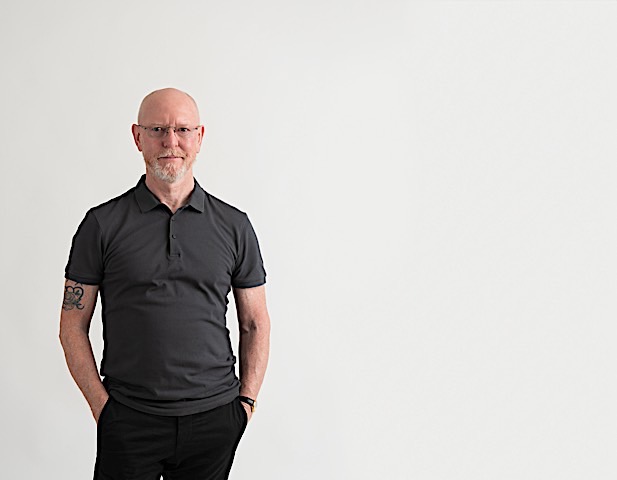


Miklós Pohl OAM Professional Longevity: Music, Medicine, and Sustained Practice Beyond 70
Dr Miklós Pohl OAM is a 78-year-old plastic surgeon, violinist, violist, and founder of the Australian Doctor’s Orchestra.
In this episode, he shares how music became his passport to connection across continents, from fleeing Hungary as a nine-year-old refugee to performing chamber music in New York, Winnipeg, and Budapest. His book Music Is Medicine captures 28 doctor-musicians’ stories, with all proceeds supporting Motor Neuron Disease research.
Miklós demonstrates that cognitive vitality, purposeful creativity, and networked relationships are not retirement luxuries but lifelong professional assets. A conversation about the intersection of healing, artistry, and giving back.
Key themes
Music as cognitive vitality and brain health in later life
The refugee journey and resilient life transitions
Founding and sustaining the Australian Doctor’s Orchestra for 30+ years
Writing and self-publishing a niche book at 78
Music as embodied communication and meditative practice
Charitable entrepreneurship through creative projects
Networked community building through shared passion


Dr Miklós Pohl OAM is a Melbourne-based plastic surgeon, violinist, violist, and founder of the Australian Doctor's Orchestra. Born in Hungary, he fled as a nine-year-old during the 1956 Revolution and arrived in Australia as a refugee. Music has been a constant thread through his life, from childhood violin lessons to performing chamber music across the globe.
During COVID, Miklós wrote Music Is Medicine, featuring interviews with 28 doctor-musicians alongside his own reflections on amateur music making. The book was self-published through community pre-orders, with all proceeds going to Motor Neuron Disease research in memory of his friend, artist Tom Samek.
At 78, Miklós continues to work part-time at the Skin Health Institute in Carlton, plays viola and violin regularly, and is planning his next musical adventure at the Aldeburgh Festival in the UK.
Contact: mikipohl1@icloud.com
Book: Music Is Medicine by Dr Miklós Pohl OAM (Amazon, Booktopia, or direct from the author with proceeds to Motor Neuron Disease research)
People mentioned
Hazel Edwards OAM -- Author and writing mentor (Wisepreneurs Episode 43)
Dr Michael Best (Wisepreneurs Episode 76)
Laurie Smale (Wisepreneurs Episode 70)
Chris Martin -- Professional violist, first conductor of the Australian Doctor's Orchestra
Rowan Thomas -- Anaesthetist, concert master for 12 years
Professor Benny Friedman -- Professor of Medicine, Sydney University
Philip Griffin -- Plastic surgeon and violist (deceased)
Tom Samek -- Artist (Hobart), book proceeds dedicated in his memory
Organisations and places
Australian Doctor's Orchestra (founded 1993)
Skin Health Institute, Carlton, Melbourne
Mount Buller Chamber Summer School for Strings
Amateur Chamber Music Players (international network)
Aldeburgh Festival (Snape Maltings), UK
Leopold Auer Festival, Veszprém, Hungary
The Barge, Brooklyn Bridge, New York
Please Donate to Motor Neuron Disease, Victoria: MND Victoria
Practical ideas for independent professionals building practice on their own terms. Arrives Tuesday. Subscribe free at wisepreneurs.com.au
Connect with Nigel Rawlins
website https://wisepreneurs.com.au/
Linkedin https://www.linkedin.com/in/nigelrawlins/
Twitter https://twitter.com/wisepreneurs
Please support the podcast
https://www.buzzsprout.com/2311675/supporters/new
Stay one step ahead with The Wisepreneurs Insider newsletter
As a subscriber, you'll get:
- Sneak peeks at upcoming must-listen podcast episodes and guests
- Bonus wisdom straight from recent guest experts
- Marketing tips to attract your ideal clients
- Productivity hacks to streamline your independent business
- And more exclusive insights are delivered right to your inbox!
- Don't miss out on these invaluable resources
- Subscribe now and gain the edge you need to survive and thrive as a wisepreneur
Nigel Rawlins: Welcome to the Wisepreneurs Podcast. Can you tell us where you are and, and something about yourself?
Dr Miklós Pohl OAM: Nigel, pleasure to be here. Um, I am in Melbourne, in East Melbourne. And, I wrote this book called Music Is Medicine on the occasion of the 30th anniversary of the Australian Doctor's Orchestra, which we started in 1983. It's about 28 chapters, I interviewed a whole lot of members of the orchestra about their musical life, why they chose the instrument they're playing. It is full of very funny anecdotes and great musical stories and also about their specialty. Right from a neurosurgeons to pathologists to GPs, to anesthetists to surgeons. It's a fun book. I also wrote seven intermittent chapters between the, um, interviews about the joy of amateur music making and things like my violin as a passport, for instance.
It has taken me all around the world to different, uh, places to be able to play and join orchestras and chamber groups.
Nigel Rawlins: Well, the reason I wanted to talk to you, because you are a hazelnut, um, we should explain that Hazel Edwards was a guest on episode 43, and she's recommended quite a few people, she calls hazelnuts, which if you are one. Dr. Michael Best was on episode 76 and Laurie Smale was on episode 70, so she said, you've gotta talk to Miklós.
So Miklós, it's about doctors and music. So how did that come about? How did you get involved? And obviously, you are a doctor, could you tell us something more about that?
Dr Miklós Pohl OAM: Uh, well, I've been playing the violin since the age of six, which started in Hungary and then we, we left Hungary in the 1956 Revolution and came to Australia. And I've always been playing in orchestras or, uh, ensembles and so on, and I went to the Sydney Conservatorium of Music with an external student to study. Uh, but the doctor's orchestra came about because I went to Mount Buller Chamber Summer school for strings, which is happening at the moment on Mount Buller. And I went out with my quartet and I noticed that there were a disproportionate number of, uh, medicos at that, uh, meeting. And, there was also a wonderful man, two wonderful men. One was, uh, uh, Chris Martin, who's a professional violist, and worked at Sydney Uni at the Conservatorium and Rowan Thomas, who's an anesthetist, Rowan's an exceptional violinist and has led many orchestras and I'd never met them before. And they just looked like the sort of people who would want to go for a project, uh, that I envisaged. And I approached Chris Martin,
I said I want to put together a doctor's orchestra, which I'd been thinking a little bit about because there's so many around the world. Uh, you know, Germany, America, Asia, um, they, they're everywhere. And, um, and I said, would you like to conduct the doctor's orchestra? He said, sound like an interesting challenge.
And, uh, and the same with with Rowan. Uh, Rowan's a lovely man. And, uh, I said, how would you like to lead the orchestra? 'cause you need someone who's really great player and, uh, he had all those qualities. He could play really well. And he had the, the overview of how to deal with people, 'cause if you, if you've gotta correct things, there's way of addressing, especially imagine these are all people in professions.
I mean, medical specialist, a lot of them, uh, how you, how you put it to them. They should maybe try this or that. And he's, he's a brilliant, he was brilliant at that. And he did that for 12 years. He was our concert master for 12 years. And uh, and that's how the orchestra started. That was in January 93 and the first concert was in, uh, September 93.
We always play for a, uh, medical charity. That first one was for the Multiple Sclerosis Society. Um, and we give the proceeds to the, to these, to the charities, and we all pay an entrance fee to join the orchestra, which covers all the costs of the orchestra, that if we pay the professionals, we pay the conductors.
We always have professional soloists. They're all paid, the rental for the hall, insurance, all those other things so that the door takings and often what's left over as well are given to the charity.
Nigel Rawlins: Okay, let's go back. You mentioned that uh, you migrated to Australia from Hungary. So tell us something about that.
Dr Miklós Pohl OAM: Well, that was quite an adventure because we left very late. In fact, we left New Year's Eve December 56, and I, I'm being a 9-year-old, I remember it was just exciting. I had no realistic. Um, uh, idea of the dangers, which my, my brother, who's eight years older certainly did, and my parents did, and there were flares.
We got trained down through the snow fields, down to the border near Austria, and, uh, the flares were going up and so on. And, uh, then, then we had paid a soldier who was taking people across to guide us across the, uh, the border. We were stopped, ironically, we were stopped by a Russian, two Russian young boys.
They must have been 18, 19. And, uh, my brother spoke fluent Russian because Hungarians at that time learnt Russian at school. And, uh, we had a bottle of vodka. We gave them the vodka and said that we were going across to Austria. And, uh, they said, fine. And they, they then turned around and gave my father and my brother a hug.
A kiss as the Russians do, and said, on your way and off we went down to no man's land. And I remember my recollection was nothing like that. But my brother says, as we turned around with our backs to them, we thought, he thought they might just gun us down. But of course I had no fear, no idea of that. And then I remember walking for about two hours to reach the border and there was a big sign in in Hungarian.
Welcome to the Free Land.
And God bless all in Hungarian. It was very moving, uh, stuff. Anyhow, the Red Cross were there once we got into Austria and uh, they looked after us. Really. Austrians were wonderful to us. I think that old, uh, Habsburg, Austria-Hungary thing was still working then. And, uh, tremendous.
They were tremendous, they looked after us really well, and then we eventually, um, we were refugees in Austria for six months. And, uh, then we came out to Australia to Maitland to my uncle. And while I just intersect with the refugee thing, I set up a music camp in Clunes, as a separate thing, modeled on the Mt Bulla thing in September.
In September we play there and, uh, the first one we had, we were staying at Wesley College accommodation, I dunno if you've been to Clunes, it's a beautiful little village. It's, it was an early gold town, very beautiful. And, uh, so they said, oh, they want to interview on ABC and, uh, and we said, oh, okay, maybe you could play something. So we drove up to Ballarat and we went into the ABC studio and I thought, well, what's gonna happen in Ballarat? So we played a couple of duets, uh, Katie McNamara's, a very good violinist in our quartet. Uh, and we played a couple of duets.
And then I sat down for the interview and the, the lady who was in the ABC she said, she said, well, now I read that you were a refugee, in Austria, what do you think about the refugees? So it was like, wow, you know? And so a hand grenade straight away and I muddled myself through that. But of course, it's, uh, it's, well, of course I have a great sympathy for refugees and asylum seekers because of that experience.
But, uh, yeah.
Nigel Rawlins: But like a lot of immigrants to Australia in those days, for example, 1964, my parents brought me to Australia. And, you know, I've been here many, many years now and so you went to your uncles, so what was your early life like? Because I, I want to talk about your life and your career and how it came around that you're writing this book, called Music Is Medicine, about Doctors and their musical careers, uh, well, I was just gonna say their musical careers, but having looked at that book, um, what I saw or what I read was this incredible love of these doctors for the music and how it affected their lives.
Dr Miklós Pohl OAM: Love of music is what drives it all. That's what drives the whole thing. And I've always had probably a, uh, disproportionate, uh, love of music. It was because COVID came that I, I was, I realized how much music I was playing through my weeks that I had all this free time. Um, and that's when I wrote this.
But, um, uh, well it's a very, it's a very big part of our lives and it's wonderful. People go off have transcendental meditation and they do yoga, but of course music is meditative and is transportive. So it's, um, it's a wonderful thing and it's a common language. I mean, I've, well, that chapter I wrote on my, my violin as a passport.
So I arrived in Canada to do part of my plastic surgery training, and as soon as I arrived, I said, does anybody play music that you know of? They said, oh, there's this Dr. Mészáros the orthopedic surgeon is a cellist, give him a ring. So that's a Hungarian name. And, uh, so I give, I gave him a call and I told him I was Micklós, so he understood that I was a Hungarian born. And, uh, and then we had this conversation, oh, fantastic, I'll get a violist, because I was just playing violin, then, I'll put the group together and to come along. And that actually saved me because Winnipeg, their winters, we are talking minus 40, 50 centigrade.
You can't go out. The cars are heated. It, it's an amazing environment, all the same, when we finished the conversation, he said, you won't tell anyone, will you? And I said, uh, no, your secret's safe with me. Now what you've gotta understand is that Mészáros in Hungarian means butcher. So he didn't want, he didn't want his patients to know that his name was actually butcher in Hungarian and was a nice man.
The leader was a retired member of the Winnipeg Symphony, a wonderful lady who taught violin and had crippling arthritis in her hands. And Madeline and she'd say, I, I'm okay, I just have to work through the pain for about an hour and a half before you all arrive, and then I'm okay. I mean, that's what drove her.
She loved playing and she was a fabulous player and she knew the repertoire really well. I learned a lot of chamber repertoire with that two years I was with her. And there's that group, Amateur Chamber Players, which is worldwide, and you just look up the roster, say I'm coming to New York, or I'm coming to Vancouver, or Budapest or Ireland.
All these places I've played with people, uh, you ring them up, say, okay, we'll play a quartet, and you go along. So it's a sort of an immediate contact and immediate communication, with strangers, which is very nice.
Nigel Rawlins: I think it sounds amazing because basically you can go anywhere and you can get some like-minded people who obviously have spent a lot of time practicing. So where did music start in your life?
Dr Miklós Pohl OAM: Well, I, I started learning at the age of six. Um, and then I kept getting lessons all through. I remember going to the Sydney Conservaorium, but then I wanted to get into medicine and I've had to focus on that. So it was a brief interruption. And then, then at first year medicine, some people knew I played the violin, said, see that bloke down there, Benny Friedman, he said, he plays the violin. Go and talk to him. So I met Benny and we've been lifelong friends. Benny became, he was a sort of a mega IQ, became professor of uh, medicine at Sydney Uni, and he's now one of the leading lights on atrial fibrillation in the world.
And, uh, and I remember playing lots of music with him in those early days. We played in the BMC, that's the British Motor Corporation, which it still existed when England was still making good motor cars. Uh, uh, BMC National Youth Orchestra in Sydney. And we used to rehearse in the Smith's Family uh, premises.
They had a big hall and a, and a sort of a big, warehouse.
Nigel Rawlins: So did your parents encourage you to, um play music? Where did this come from?
Dr Miklós Pohl OAM: Oh, yes, yes, you need, you need a lot of encouragement because no, no, no one, especially children want to practice. You need lots of support, lots of encouragement. I see a lot of young parents wanting their children to learn music. The trouble is the child chooses, let's say a trombone, and then after, after a month realizing that you have to spend time actually practicing learning, uh, all the things that go into play, then they said, I don't wanna play that anymore.
I wanna play the guitar. Then they get them a guitar, and the same thing happens. So if a child's drawn to an instrument, you've just gotta persevere with it because it's always, um, work. It's work. You know, it's not, it's not a magic, everyone has these romantic ideas about, uh, people playing music. For instance I'm committed now to learning, uh, Shostakovich's piano quintet, and because I think it's just most marvelous work. It's one of those bucket list bits of my life that I've gotta put play it. Uh, I mean, I've read through it at, at music camps in the middle of the night in a fairly inebriated state, which doesn't count, but we do a lot of, a lot of that stuff at music camp.
Just read through stuff late at night. But, uh, I wanna learn it properly and, and it's work. I have to sit down, look at the music, you know, you've gotta, it's work. You've gotta be willing to put the work in.
Nigel Rawlins: So are you still working as a plastic surgeon?
Dr Miklós Pohl OAM: I am, but I'm doing very basic, minor, small stuff, mainly skin cancer work at the Skin Health Institute here in Carlton, where I was this morning. Uh, just under local anesthetic. They've got six little theaters and I just do very basic simple surgery. I don't work in the hospitals anymore. I did till not that long ago, but I don't do any major, major cases or anything like that. Or anything anesthetics, it's all day surgery, ambulant day surgery.
Nigel Rawlins: I think you mentioned that you started writing this book during COVID, so how did that come about?
Dr Miklós Pohl OAM: Well, how it came about is actually about the year almost 2020, a patient, this is why I still like working 'cause I meet interesting people. Uh, this chap came in, he was an author and publisher, and I said to him that I've written my autobiography, different book. I started because I've got eight grandchildren and four, four boys.
So I wanted to do it for them. And, uh, I said I started writing in 2000, 2010 I stopped. And I said, I need a, I need someone to help me to get back on. He said, you gotta go to Hazel Edwards' Write Your Autobiography In A Year classes. So I signed up for that and, and I just love Hazel. She's fantastic. You know, she's totally straight and if something's, you're talking about something that won't work she said, no, forget that. You know, I moved doing a couple of interviews. I couldn't make sense of what the person was saying and I thought it was me, and I ran her past her and said, no. She said, just cut all that out.
She's very funny and she's brilliant. She's very lovely with people and she's a fantastic person.
Nigel Rawlins: Well, whenever she wants me to interview people like you, I get bombarded by her. She said, you've gotta, she sends me a message. Contact him now, get this.
Dr Miklós Pohl OAM: Well, she's wonderful 'cause she still promotes me. She said, has Nigel rang you back yet? Have you done? I said, oh no, he is ringing me back. You know, she's fantastic. But it's, uh, yeah, that's, and that's, I've sort of learned writing, doing that, you know, and I got a lot better. It's like anything, I've got a lot better.
Of course it's my second language. I didn't speak a word of English till I was nine, only Hungarian, you know, and actually I spoke German 'cause my auntie and uh, grandmother were always, uh, speaking German. And I learned quite a lot. And then being refugees in Austria for six months, I picked up a lot more, but then I forgotten all that.
But so, uh, well that took a couple of years, uh, to write that. And then the next lot came. And I have all these, this group of eight of us, these friends, and I said, you guys should really think about writing your bio, because their story is very similar to mine. They arrived at about my age, eight, nine, and then their parents were migrants.
Um, worked very hard. Uh, and, and you know, one of them, one of them, uh, came from Calabria and mother was illiterate. Father was a tailor and he got into medicine, uh, got first class honors, became professor of Medicine and dean of a medical school. And, and he is just a wonderful person, a really marvelous person.
So, um, our stories were similar, so five of them started writing and while they were doing their bio, I was doing my book and, every two weeks we'd meet with Hazel online, then it was easier, 'cause a couple of them were in Sydney and four of them completed their biographies and, and we really thought it was a, it's a great journey doing that.
It allows you to, um, complete things and thank people, uh, in your biography. Um, not least of which was my mother. We arrived in Maitland, 1957, uh, no cappuccinos, um, and first wages, 'cause they were leather goods workers, so they weren't flush, seven pounds, mother goes down, buys me a half size violin, and enrolls me within the convent with Sister Roberta to take lessons.
First week, first wages. I mean, that's sort of ethic about education. And the same thing happened in Sydney. They found me a teacher and then I got into the con as an external student that it was always there, the encouragement and that you gotta push a bit. So, and I did love it. I always loved playing. I enjoy the camaraderie.
I mean, my wife says you're lucky you've got music because you've got friendship, you've got cerebral activity and you're doing something you love and it's meditative. It's physical. People don't appreciate how exhausting it is playing for three, four hours. It's very physical. Um, and uh, of course the viola, I've took up viola in 2008 'cause I always loved the sound and I playing a lot of viola and, um, more viola than violin and it's more physical
'cause the bow's heavier, the instrument's bigger. And to get a nice sound you've gotta put more in. One of the chapters about how music lights up the brain, because you've got, uh, with singers, you've got the vocal thing, that's the, the vocal, uh, center. Then you've got the auditory center, you've got the speech center.
Then you've got higher functioning reasoning in the frontal lobes, the whole brain. They've done scans of brains when there's music playing or they are playing music. It's really interesting.
Nigel Rawlins: How do you think music has influenced you as a medical doctor? What does it bring to being a doctor? Because you know, when we talk about this book, there's a good chance a lot of doctors play music that we don't even know about.
So how do you think it's affected you in terms of being a doctor? And especially a plastic surgeon.
Dr Miklós Pohl OAM: Uh, well look, it's a hobby, uh, and a very strong interest. And I love, I love my surgery. I love, I love doing what I do. The music i, I've always had gentle classical music playing in my theater. All my practicing life. And it's interesting, there's another plastic surgeon in there, um, called Philip Griffin is a very nice man.
He's passed on since, uh, and he played viola as well. And he writes about the effect on him and music and during his terminal illness, the last three or four years of his life and what it gives him. It's very hard to describe, but I think it's probably coincidental that we're medicos and play music.
There certainly seems to be a disproportionate number of medicos playing, but that could do with socioeconomic and upbringing and all those things. I don't know. But it's also, it's a form of communication. So in a quartet, any small ensemble is wonderful because it's so directly communicating with the other people around you on a different plane altogether.
And uh, and even as amateurs, those magic moments can happen. I remember Steven Hough, I think he was the great pianist being interviewed, and they would say, what makes a great performance in those moments of magic? And he, and he said, you need a moment of grace. What does that mean? I mean, I don't think anyone knows what that particular thing is.
Uh, but it can happen and it does happen. And that's a, it's a very joyous feeling when it does.
Nigel Rawlins: I think I was speaking to one of my early guests in the podcast, a young French lady, and she, I think she, she sings in a jazz band and she said most of the communication is through the eyes when they're playing and singing.
Dr Miklós Pohl OAM: It's funny you should mention that for a number of years we were going up to um, Bendigo, to play at Blind Cow Pottery was the venue. Wonderful people, great place. And I remember we were playing in an old church that was going to be demolished and they were gathering funds for it to be restored and not demolished, I think.
And the lighting, they blacked out, we only had our sconce lights only lighting the music up. And it was almost impossible to play because we couldn't see each other. And I, I, after all these years, I realized only then how important it was to have that communication, that physical, the body language, and looking to see each other to be able to play together.
It's really interesting.
Nigel Rawlins: That is interesting when you think about it. That, um, that you, you're checking with each other
Dr Miklós Pohl OAM: A lot of it is body language as well. Body language and movement. Yeah.
Nigel Rawlins: I, I think that's a very interesting area that I'm actually exploring this, this embodied part where the brain is a prediction machine and we are continuously checking to see if, if there's something different coming through to us and things like that.
Okay, let's talk about writing the book. So tell me, tell me about the book.
Dr Miklós Pohl OAM: Okay. Well, it, uh, I, it took a couple of years because getting doctors are busy, but this lovely now online you can do just what we are doing. And, uh, and I have, uh, this thing called Temi, which is voice to script, which I'm sure you're familiar with. And I would interview each person. I had some, some standard questions, but we'd often go off pieced, which makes it more interesting because you don't want to make it all uniform.
Um. And, um, it was just a pleasure to listen to people's stories. I mean, one of, one of the oldest, uh, Mary Frost in Darwin, uh, her parents were, uh, rocket scientists, nuclear scientists in, uh, um, near Pine Gap, around there. And they said, well, what are we doing tonight?
Uh, are we watch going out, watching dad launch a rocket? So, then uh, they said, uh, um, what about, uh, music? So they listened to a lot of Wagner because the parents obviously, you know, uh, very smart and uh, and love Wagner. So then she writes, she said, well, of course I listened to so much Wagner, uh, when I had to choose my specialty, I had to become a psychiatrist.
It's full of stuff like that. Just fun stuff.
Nigel Rawlins: How did you choose these, um, doctors to interview?
Dr Miklós Pohl OAM: Well, uh, this is where Hazel was terrific help. You've gotta choose, make sure there's gender equality, so you got the same number of men and women. And, because I'd never thought of music in terms of gender. I mean, but so that's the important thing. And then age scatter. Of course you have to have a scatter of different instruments.
So, um, I, I chose pretty carefully. One of the criteria, of course, was that they have to have what, uh, you know, as an interview called Factor X. And you either have that in an interviewee or you haven't. Uh, and a lot of those people had that bit of extra fun about them. Uh, that made for a good interviewee.
And full of fun stories. I mean, Kath Brennan is a classic. Uh, she's a, she is a brilliant trumpeter and a very good cellist. And, uh, originally from England and she, her, her chapter was hilarious. Very, very funny stories in there.
Nigel Rawlins: So how many doctors did you interview and how did you get hold of them?
Dr Miklós Pohl OAM: I interviewed 28 altogether, and well, I knew them all from the orchestra, of course. And I would just ring them up and say can I put a chapter in about you? And, uh, most people like to be interviewed and noticed. And, um, then they sent me a photo, then I would do the transcript and, you know, how much editing is involved in these things?
It takes hours. Uh, and then I'd send them back that draft and they say, oh, please take that out. And I meant to say this. And it'd go back and forth three or four times at least. Till they were absolutely happy with the end product 'cause nothing goes out without their total approval, of course. And then once we signed off on that, then I could put the chapters together and um, write my in between chapters as well. It took about two or three years I think, altogether. People seem to enjoy it 'cause it's sort of fun.
Nigel Rawlins: How did you plan the book? What was going to be in there?
Dr Miklós Pohl OAM: I was always going to interview individuals. Uh, but then once I started, I realized there's so much more to amateur music making in our lives that needed to be in it and what music meant to us and what it can do for us. I mean, the, the, the biggest thing that I think the Australian Doctor's Orchestra has brought to people is that they bought, they brought people back to playing.
So it gives people an opportunity to twice a year work up towards the concert. And of course if you're doing that, you're going to start up and playing again, you're gonna play with others and play chamber groups and play in other concerts. So salvage, I call it, uh, because it's very easy to drop that in your life when you're so busy and you've got the clinical concerns and you've got mortgages and you've got school fees and all that other stuff that, that life deals you.
Uh, but the music is a lovely escape and it's brought quite a few people back to playing, which I think is really important.
Nigel Rawlins: that's what I was thinking. I mean, these are busy people and you are capturing them for a couple of hours and then multiple drafts.
Dr Miklós Pohl OAM: Well, we, we'd never go more than an hour in an interview 'cause I think people get a bit tired, but, uh, yeah, yeah, it was great. I had everyone's cooperation and we just soldiered away, worked through it. Got there in the end.
Nigel Rawlins: So how did, um, um, Hazel, did she look at the book or help edit or what?
Dr Miklós Pohl OAM: She did because while the others were writing their bios, I was writing this and she would look at it, but she didn't get as intensely involved with it, as she did with my autobiography, the one before. Uh, but she'd just give a brief look and say, yes, that's good, that maybe you should consider this and that elsewhere.
But, um, it's, it's sort of forged together quite nicely. It's not too long. People seem to enjoy the short chapters and the different personalities of the different people. Hopefully they're enjoying my very brief mini chapters about the violin and music. Uh, then one of them suggested, why don't you put at the back of the book?
Because always ask people what their favorite bits were, uh, so that people who don't know music that well can reference it. So that took a lot of work because at the back of the book is a list of all the composer alphabetical in order. And then I went about looking what I thought was the best version of that particular recording.
Uh, already had my own favorites and I unashamedly, so we're going from, uh, starting at the beginning from JS Bach through to uh Dvorak, Fauré, Franck, Khachaturian, Haydn, Mahler, and so on right through to Shastakovich and, and in the end Vaughan Williams and Urbie Green.
Nigel Rawlins: So this is a playlist
playlist
Dr Miklós Pohl OAM: it's the list of all the favorites that people in the, the interviewees chose as their desert island stuff. This is what they would take to desert Island.
Nigel Rawlins: You know, on Spotify or Apple Music, you can actually put a playlist together and send people to it. Um, 'cause there was a book, uh, on music that I found, but I didn't finish reading it, but it had a playlist, I think on Spotify that you could read the chapter i'll have a look for it and tell you what it is.
Dr Miklós Pohl OAM: Oh really? I haven't explored that. Be worth looking at. Thanks for that.
Nigel Rawlins: So how did you go about, um, publishing the book?
Dr Miklós Pohl OAM: Uh, well, it was Hazel's idea. I said, look, Hazel, I haven't got five, $6,000 for this. Uh, at, at, I just don't have that sort of money for this. She said, why don't you get people who are in the book to pre-order and pay you before it's published? So I rang everybody up and wrote to them and said, would you consider buying two books or pre-ordering two books now $50 each?
'Cause it's all going to, to the motor neuron disease. All of it. I mean, it's, you know. And so, uh, uh, they said, yeah, okay. So most people order two books. I managed to raise the $5,000 and went with a terrific publisher, uh, called Book Pod, she was marvelous lady and, and did all the photos and diagrams.
All the diagrams by Tom Samek, who was a friend of mine, who was an artist in Hobart and very tragically died in his early seventies from motor neuron disease. Hence, all the proceeds are going to motor neuron disease. So, um, yeah, so you, you've gotta spend a bit of money yourself, but it doesn't have to be massive.
And, uh, I mean, I paid for the postage and now I've reordered some more and I just paid for that. I ordered, uh, 60 to take up to Sydney, to the Australian Doctor's Orchestra. We had the launch. It's a very nice president at the moment. Uh, Xavier Yu, uh, whose idea it was.
And he's, he's terrific. And, uh, we had a little event. We are meeting cocktails anyway, uh, which is the doctor's orchestra does as part of their, their social three or four days together. And we're Sydney, which is my home hometown, Sydney, which, uh, my heart has never left Sydney. Uh, and it's just magnificent.
We're up on top of the, uh, museum of Modern Art and it overlooks the harbor and the Opera House and everything. It was just fabulous. And then we launched the book and I, I sold another 30 copies, so all that is going to Motor neuron. So that's good. I mean, it's not, not massive sums, but it everything helps.
Nigel Rawlins: Well, you very kindly sent me a copy, which I had a look at. Reading the chapters about the doctors and their love of music, you could feel their love for it
Dr Miklós Pohl OAM: Mm.
Nigel Rawlins: coming through very clearly. So your writing style has got a very lovely,
um, feel to it, you could say when I was reading it. But again, what it is is a totally niche book on music focused on doctors.
So you can imagine there's probably thousands of different niches out there into music.
Dr Miklós Pohl OAM: Yeah, well, uh, I just hope I could reach those, those people and sell 'em the book. I haven't been very aggressive at marketing and stuff 'cause I'm still working and I was just so relieved. You know what it's like when you finish a project like that? It's so nice. And we sold probably about five, 600 copies that I've personally sold, but then there's, you can get online as well, but I discourage people, I'd rather them phone me. I'll send them a copy. I'll pay for that in the postage, and I ask them to make a donation to motor neuron disease directly. So that way I'm still, I'm still donating really.
But,
uh, it's a nice way to make money
for them.
Nigel Rawlins: That's wonderful. So tell me some of the stories. You mentioned that you can travel anywhere in the world. Are there any stories that you'd like to tell us about some of those trips that you made?
Dr Miklós Pohl OAM: Well, it, it's always a leap of faith and I'm all, and you're always pretty anxious. I remember going to New York, my son got a scholarship to Christ College in North Carolina, and we went across, but on the way we stopped in New York. Mary and I, and then Nick came and joined us for a couple of days, and in New York was the, the, the home of amateur chamber music players.
And the woman who started it was Margaret Seltonstall. And so I wrote to her and I said, look, I'm coming to New York. Any chance of playing music? And she said, yes, be delighted to host you. When are you coming? Blah, blah. She wrote back and then I, then I thought, what am I doing? You know, this is the woman, you always have insecurities about your own playing.
Uh, this is a woman who started this whole thing. How am I gonna fit in? So they were, they were, there's a famous music, um, venue called The Barge, which is at the bottom of Brooklyn Bridge is still going. And it was run by a woman called Olga Bloom, is retired member of New York Philharmonic. And they, they meet there on a Monday night is a stage that overlooks Manhattan Bridge, it all glass at the back.
It's fantastic. And a restaurant. And they have, they've had Vengerov playing there. I mean, it's a really serious music venue that she ran, and that's where they play chamber music just for themselves on Monday night.. So I arrived there with a couple of, uh, CDs of the Australian String Quartet, their recordings of something, which I, I'm a great fan of theirs and, uh, to give everyone as a gift and they welcome me.
And I went in and, uh, I was playing violin still then only violin. And, uh, they cracked open a bottle of wine. And I said, oh, I said, you, you drink, uh, at your rehearsals. And, and the, the viola said, oh, that's the best part, don't you think? And I thought, okay, I'm gonna be all right. You know? And we sat down and it was great playing and Olga led and had this wonderful, golden, rich sound.
It was an amazing sound. It was putting, playing slowly, but absolutely beautifully. And after the first we were playing Beethoven Opus 18, number 4. After the first movement, I said, Olga, that's a wonderful instrument and the sound you're making, it's gotta be Italian. And she to me, said, It's a a Guarneri, would you like to play it?
So I said, yeah, please. So I played one movement on it, 'cause it's worth, I don't know how many millions of dollars. And uh, so I played one movement and I gave it back, you know. But, um, yeah, so they're very generous. People who invite you are, uh, they want, they want to play with people who are visiting. And I've had the same experience with visitors to, um, to Hobart when I was living there for 20 years.
People who will say, I'm with Emma, that's gonna, we play some music. Yep. Come on. I'll put together a group and play with people. And here in Melbourne, I've done a couple of people who've
wanted to play. So it's fun.
Nigel Rawlins: I think our listeners can hear your love of music too, it's, it's, it sounds like it's all wrapped up in your medicine and you care for people, love of music and all that, and it's keeping you alive, isn't it? In many ways.
Dr Miklós Pohl OAM: Yeah, it's a terrific, if I haven't got a target and preparing for something, I really feel lost. I've just gotta have always something on the go, you know, even if it's on the back burner like that, Shostakovich piano quintet, uh, it's constant there, there in my
head.
Nigel Rawlins: So there you are, you're still working, um, sort of part-time. You're playing your music, you've written your autobiography, and Music Is Medicine, can I ask how old you are now?
Dr Miklós Pohl OAM: Oh, I'm, I'm
old. I'm old. Uh, I'm 78.
Nigel Rawlins: and still going in many ways.
Dr Miklós Pohl OAM: I hope
Nigel Rawlins: So, what more things are you
planning?
Dr Miklós Pohl OAM: Uh, well, I've got, uh, actually funny you should ask that because I, I, uh, last year I went to Budapest a couple of weeks with my, with a newly found cousin. But, uh, and we did a lot of things. There's a wonderful music thing in Veszprém where Leopold Auer was one of the fathers of violin playing, uh, was born and they have a festival in his name.
And that was fantastic. A little town, but a jewel, you know, beautifully preserved historic town, not far outta Budapest. Uh, Stephen Isserlis was the soloist, like one of the world's greatest cellists, played one of the Hyden's, all from memory, of course it was absolutely brilliant, but that's in May.
But I, I actually want to get to the Aldeburgh Festival, which was Benjamin Britten and Peter Pears at the Snape Maltings in Aldeburgh in the uk. And I'm just trying to envogle a couple of other people to come with me 'cause it's more fun as a group. And that looks like a great festival. We went to one in, uh, Oxford called Oxford May Music that was fabulous.
Very relaxed, small, and way beyond my expectation for standard was fantastic in England, 'cause all these people, they have such a big base to draw from, you know. Like it had people from the French horns from BBC Symphony and the, you know, it was all like that. They were just brilliant players.
But I'm looking forward to, to that Aldeburgh festival, uh, which I'll be looking at it now to see if I can get some, uh, tickets and some accommodation for a week down there. I've got two of my, two of our sons live in London so that, you know, I see them and I see two of our grandchildren, uh, live there as
well.
So.
Nigel Rawlins: Well, the sound of it, you've got a very, um, full life. You've got family, you've got, uh, your children, you've got grandchildren, you've got your music. You, you're still working and you know, obviously you're still married and all that. It sounds like you've got a pretty good life.
Dr Miklós Pohl OAM: It's pretty good. It's uh, I get bored very quickly, so I said to, I said to my boys, one of my boys. I said, I think I may have been a bit, a bit hypomanic and he said, hello dad.
I've, I've quietened down quite a lot
now.
Nigel Rawlins: Oh, you've mellowed a
bit.
Dr Miklós Pohl OAM: Yes. I've
mellowed.
Nigel Rawlins: So if somebody wants the book, how are they going to find you?
Dr Miklós Pohl OAM: Uh, well, they can, they can email me directly, uh, and I will send them a book. I, if they have their postal address, I'll just post it, send it, and inside the book is a barcode for the motor neuron disease, three or four pages from the end.
And I get them to, to make a donation. I, I suggest $50, and I pay for the postage, the printing and everything. If they can put that in, it's a big help to the motor neuron disease.
Nigel Rawlins: I will put all these in the, uh, show notes. Now are you on LinkedIn as well?
Dr Miklós Pohl OAM: Uh, no, I remember you mentioning that, to me.
Nigel Rawlins: Because what'll happen is that, um, it won't be just Australians who are listening to this.
It'll be, believe it or not, from the Czech Republic who listen
Dr Miklós Pohl OAM: Well, they're our neighbors, so that's good.
Nigel Rawlins: and, uh, a lot of Americans. So, um, that the problem about sending a book to America or overseas, it's quite expensive now for postage.
Dr Miklós Pohl OAM: Yeah. Well, they can get it on, uh, Amazon and Booktopia. Yeah. But of course the trouble with that is the charity doesn't get.
They pay the, those people, but not much is passed through to the charity
Nigel Rawlins: Okay. So what we need to do is um, you'll have to send me the link to Amazon, cause that's probably gonna be easier for some to
get
Dr Miklós Pohl OAM: Yeah. Sure.
Nigel Rawlins: contact you. And so what email address do you want them
to email you?
Dr Miklós Pohl OAM: Uh, it's just my normal one, M-I-K-I-P-O-H l1@icloud.com. mikipohl1 one at iCloud dot.com
Nigel Rawlins: fabulous.
Dr Miklós Pohl OAM: This is a Hungarian
spelling.
Nigel Rawlins: Well, Mickey, thank you very much for being a guest. We've had a wonderful conversation.
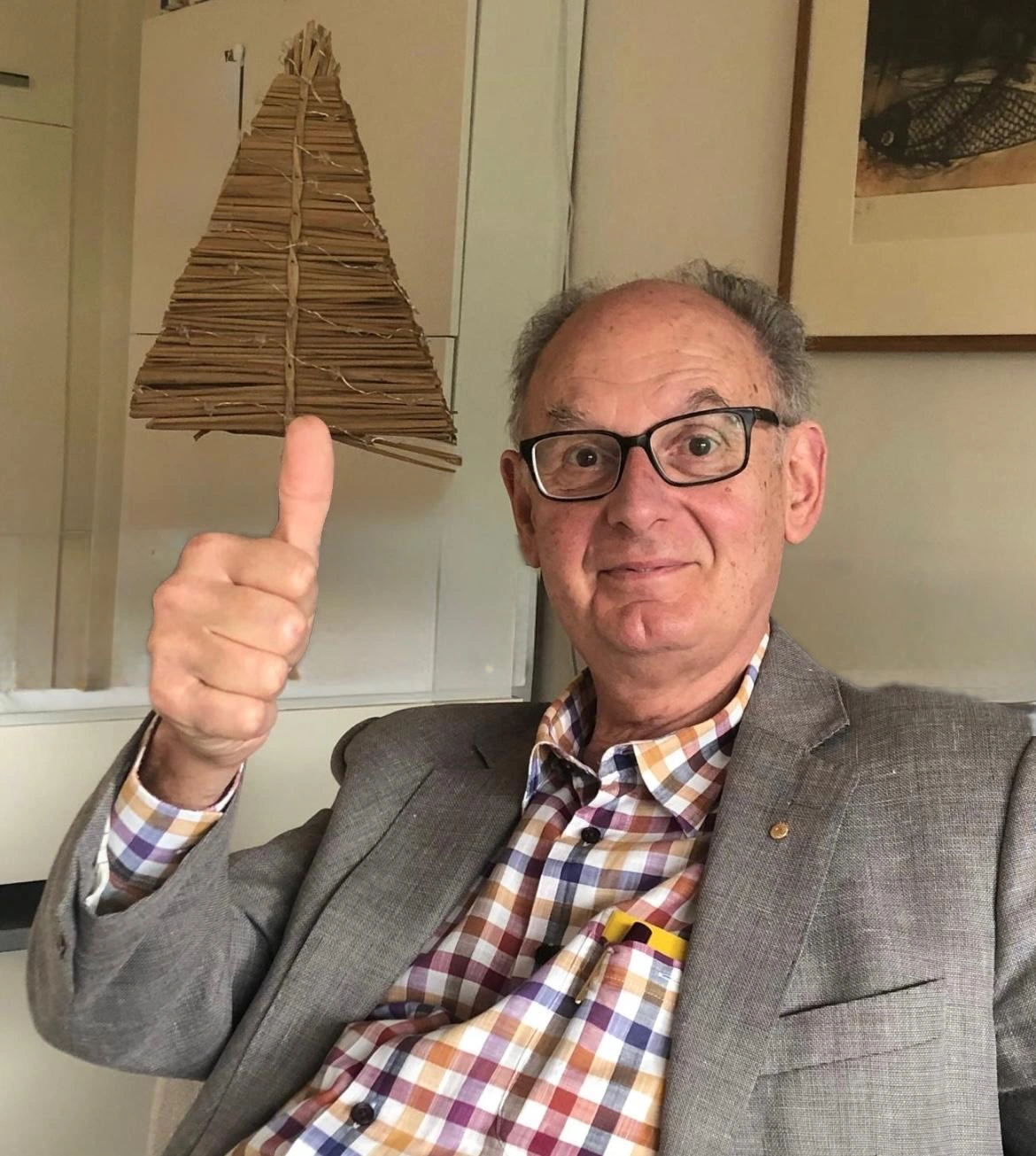
Dr. Mikló Pohl, Specialist Plastic Surgeon, RACS (Plast), Author of Music is Medicine
Dr Miklós Pohl OAM is a Melbourne-based plastic surgeon, violinist, violist, and author. Born in Hungary, he fled with his family during the 1956 Revolution at the age of nine, arriving in Australia as a refugee via Austria. His mother enrolled him in violin lessons within the first week of arriving in Maitland, New South Wales, this commitment to music and education has shaped his entire life.
Miklós founded the Australian Doctors' Orchestra in 1993, bringing together medical professionals who share a deep love of music. The orchestra performs twice a year for medical charities, with all proceeds donated to the cause. He studied at the Sydney Conservatorium of Music as an external student, took up the viola in 2008, and continues to play chamber music with groups across Australia and around the world.
His book Music Is Medicine, written with guidance from author Hazel Edwards OAM, celebrates the 30th anniversary of the Australian Doctors' Orchestra. It features 28 interviews with doctor-musicians alongside chapters on the joy of amateur music making. All proceeds support Motor Neuron Disease research.
At 78, Miklós still practises as a surgeon at the Skin Health Institute in Carlton and remains driven by the next musical challenge on his stand. He holds four languages, four sons, eight grandchildren, and a firm conviction that music is both a passport and a form of medicine.
Music Is Medicine is available on Amazon and Booktopia, or directly from Miklós by email. He asks that readers make a donation to Motor Neuron Disease rese…