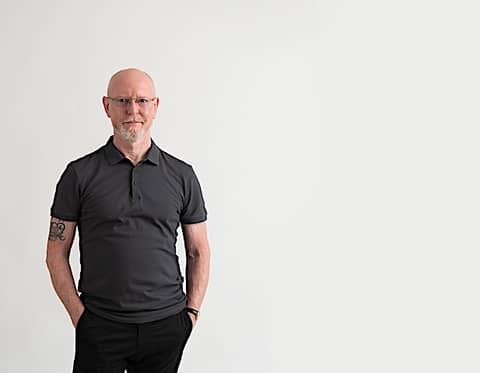


Darren Waldron AI Automation: How a Carpenter Built a Technology Practice from Scratch
What happens to the 95% of leads that never convert? Australian carpenter turned AI specialist Darren Waldron built systems to find out. In this episode, Darren reveals how database reactivation and speed to lead automation are helping businesses recover revenue from contacts they'd written off as dead. His trades background gives him a refreshingly practical perspective on using AI to solve real business problems.


In this episode of the Wisepreneurs Podcast, host Nigel Rawlins speaks with Darren Waldron, an Australian who has made a remarkable career pivot from carpenter to AI automation specialist while living in Zurich, Switzerland.
Darren shares how his personal frustrations with slow business follow-up, both as a tradesperson sending quotes and as a consumer waiting for responses, led him to develop AI-powered solutions for lead management. His company, DS Walden, specialises in two core services: database reactivation and speed to lead.
Database reactivation involves building custom AI systems trained on a business's products, services, and brand voice, then deploying them via SMS or WhatsApp to reengage leads from previous marketing campaigns. Darren explains how companies typically only convert a fraction of their leads, leaving significant untapped potential in their databases. His performance-based model means businesses only pay when meetings are generated.
Speed to lead addresses the critical gap between when someone submits their details through an ad and when a salesperson actually makes contact. Darren's systems can engage new leads within minutes, qualifying them and booking appointments automatically.
The conversation explores how Darren taught himself these technical skills despite having no coding background, combining online courses with extensive AI-assisted learning. He candidly discusses the challenges of being taken seriously as a carpenter selling technology solutions in Switzerland's highly educated business environment.
This episode offers practical insights for professionals considering how AI might transform their own businesses, along with an inspiring example of leveraging transferable skills from traditional trades into cutting-edge technology services.
Resources Mentioned:
- ChatGPT (AI assistant)
- Gemini (Google's AI)
- Claude Code (Anthropic's coding assistant)
- Notion (note-taking and database app)
- DS Walden website: www.dswaldron.ch
- LinkedIn: https://www.linkedin.com/in/dswaldrongmbh/
Practical ideas for independent professionals building practice on their own terms. Arrives Tuesday. Subscribe free at wisepreneurs.com.au
Connect with Nigel Rawlins
website https://wisepreneurs.com.au/
Linkedin https://www.linkedin.com/in/nigelrawlins/
Twitter https://twitter.com/wisepreneurs
Please support the podcast
https://www.buzzsprout.com/2311675/supporters/new
Stay one step ahead with The Wisepreneurs Insider newsletter
As a subscriber, you'll get:
- Sneak peeks at upcoming must-listen podcast episodes and guests
- Bonus wisdom straight from recent guest experts
- Marketing tips to attract your ideal clients
- Productivity hacks to streamline your independent business
- And more exclusive insights are delivered right to your inbox!
- Don't miss out on these invaluable resources
- Subscribe now and gain the edge you need to survive and thrive as a wisepreneur
Nigel Rawlins: Darren, welcome to the Wisepreneurs Podcast. Can you tell us something about yourself and where you're from?
Darren Waldron: Yes, thank you very much. Um, so I'm originally from Australia. I grew up in a country town near Hamilton on a farm originally. And then I've, uh, yeah, grew up there, did my schooling in a little place called Coleraine and moved into Hamilton, did my high schooling there. Moved on to a apprenticeship as a cabinet maker and joiner, and eventually moved into carpentry after that.
Nigel Rawlins: How many years were you working as a carpenter?
Darren Waldron: I'm still working as a carpenter now in my mind. I still love, love being on the tools every now and then. Um, I was probably about 15 years in total, a little bit more. Um, but during that time, I've, I was running my own business as a carpenter and joiner for quite a while. Um, I had the luxury of, of having a really good boss or a mentor at the time who said that, uh, look, with the skills you've got, we can, we can build houses.
And then at a certain point you can go and go back to your factory or set up shop. And then you can start making all the joinery for the houses we build. And I'll be forever grateful to him for allowing me to do that. So that's how I started my own business when I was quite young.
Nigel Rawlins: Hamilton's about 250 kilometers away from where I am because I'm in Clifton Springs, which is just outta Geelong. But one of the reasons we're talking is you don't live in Australia anymore. Where are you?
Darren Waldron: No, no, I, I moved away from Australia, which was originally just kind of a, a travel at the start. I, um, started off, I moved to Canada, actually. I lived in Vancouver for a year and a half, and on the way over, I stopped off in Hawaii. And that's where I met my beautiful wife now of almost 11 years, 12 years now.
I met her in Hawaii. Um, yeah, and I lived in Vancouver for a year and a half, and then moved to London after that for another two years because the relationship continued to get serious, and it was a bit cheaper to fly from London to Zurich. And that's, that's where I am now in Switzerland.
Nigel Rawlins: And in that time you were still working as a carpenter?
Darren Waldron: Yeah, all that time when I was in Canada and London as well, and also for about another six, six years while I was here in Switzerland as well.
Nigel Rawlins: One of the reasons we are talking is because you, well, you're still working, but you're also pivoting in a sense, into a new business. So let's just mention that business and then we'll go into a bit more detail about how it all works together.
Darren Waldron: Yeah, sure. Uh, so I'm still working a day job at the moment 'cause, uh, the business that I have started, which is just, it's called DS Walden, GMBH, which is just a Limited Company here, and I focus on revamping leads for companies using AI, SMS and WhatsApp.
Nigel Rawlins: Okay, so we should really talk about what we mean by leads because if, um, now there'll be some of the listeners who may be thinking of starting their own business now, mainly they're professionals, and what we're talking about really is marketing. And one of the things you market for is to get customers or get clients, which we call leads.
Now you are a carpenter and you are getting into marketing, so let's explain that a little bit more. What do you mean by helping these companies get leads? How do you do that?
Darren Waldron: The first step that I do is I reengage with an existing database, so that means that any company that's been running ads or marketing campaigns previously, they, they never convert a hundred percent of their leads that've been generated from these marketing campaigns.
So the ones that didn't convert, they fall off the side into their database. Now is what I do. I build a custom Android, and when I say Android, it's literally just an automated system that is purely made for a business. It's got their brand voice, it knows their products, it knows their services, and I then set it up so then it can, it can speak like a person within the business, knows all the information about it, and it reengages with this database and it checks if they've ever found what they're looking for, if they're still interested in a product or a service, and that's done by or via SMS or WhatsApp. If, if one of these leads within the database is still interested in a product or a service, then we can set it up that it kind of filters the people that are interested, it can qualify them as well. If there's certain criteria that a lead needs to have or to, to meet. And then it can automatically book into a sales person's calendar, um, purely via the chat.
Nigel Rawlins: Okay, so did you say when you were going to school out of Hamilton or was it Coleraine?
Darren Waldron: Was primary school and high school was in
Hamilton?
Nigel Rawlins: was that a little tiny school.
Darren Waldron: Uh, I wouldn't say it was small, but No, it was, it was a decent size. How many people exactly? I'm not too sure.
Nigel Rawlins: I taught in some very little tiny one teacher schools, in fact, they were great. So what I'm hearing, you went to a country school, went to a bigger town, which is Hamilton, became an apprentice, you know, working on the tools.
And here you've devised a, um, an automation to help mine a database reach out to, uh, to customers, which this is all marketing and you were a carpenter, so you're not a geek. So how did this come about? I mean, where in your head did you decide that this is necessary?
Darren Waldron: Yeah, well, I've, I've always been interested in tech and IT, but I've never gone down that path because I'm a tradie and I, I work a lot better with my hands, I think, um, than what I have with my mind in the past. But the reason why I've got into this now is, it's purely from my own frustration or my personal experiences from I would, I would be interested in a product or a service, and I would put my information into the leads form and I would never hear anything back.
If anything, it would be an email, thanks for contacting me, we'll get back to you within 48 or 72 hours, and that contact never really happened. So in that time, the one to two to three days, I would say, I want this information now, I'll go to the next person. So I'd go to the next business and then I'd end up getting the same response and it was over and over again.
I'm like, in this day and age, there has to be a better way to do this. And I've always been using ChatGPT and keeping a close eye on how AI is progressing, um, since 2022, I think it was, I started using ChatGPT and then it was just, I got more and more interested in trying to think outside the box and worked out that
these type of things are possible. There are courses out there that help you learn to do this if you're interested enough. Um, yeah, and I, I started going down that, that track and it evolved and now there's, there's a few different services that I do that focus on that type of engagement, and the funny thing is I've actually been the problem in my own business many years ago as well.
So a perfect example is within the trade industry, and this was one of the points that kind of triggered me when I built our apartment here. I would turn around and everybody does it, which is the best practice to do. I got three or four quotes to get fly screens put on this apartment 'cause I don't really have fly screens here.
If you do, it's kind of extra or out of the ordinary. So I went and got four different, four different contractors to come and measure up, and that took quite a lot of time to get them here. I had to take time off work, be here. They measured, they went back to their offices, created a quote, sent it back to me, and then I'd sit there and analyze all the four different ones, same as what I used to do as a carpenter and a joiner myself.
Send them out. And that was it. The, the, the service stopped. So I'd sit there and you'd always have the cheapest, the most expensive, and the one thereabouts in the middle, or maybe two in the middle. And you kind of, you, you level out the prices and think, why is that one like $2,000 more than this one?
What could it be? And I always thought even then, if one of these people reached out and called me or sent me a message and said, Hey Darren, I sent you the, the quote two days ago. Do you have any questions? Is there any uncertainty? What can we help you with? And that's one of the points where I thought, look, I had to then call each person and ask these questions, took time outta my day, time off work to find out why is your quote 2000 francs cheaper than the other person, and you've measured the same windows.
So the time that I, as a consumer or a client had to invest to find out those answers, that really annoyed me.
Nigel Rawlins: And it's still the same here in Australia. I mean, you know when you get fencing quotes and it takes a week for them to turn up and then they can. Can't do it for another three weeks. So what, what you are saying is the delays and then the frustration about why is the difference. So when you were a carpenter, you were working for yourself, is that right?
Darren Waldron: Yeah. Yep. So I, I was out at my own, had all my. Had to invest a lot of money in a, in a vehicle, in a trailer, and all the tools to do all, all the work. And it was the same thing, but I always was in a lucky enough position. And I think in Australia in general, if you do a good job of what you do, you're never gonna have to advertise.
So there was the same thing. One person spoke to another and spoke to another, and, and we, we were never out of work.
Nigel Rawlins: Yeah. Well that's the thing here too, is we got a number of quotes for the fence. Never heard from them again unless we contacted them. But you're right. And I think that's the case. But even now, if, if sometimes if I order something online, 'cause that's the thing I wanna buy, sometimes you don't even hear back from them.
And then it. Then it appears so they don't even communicate back. But I was thinking in terms of when you were running your business, you've got a better sense of how that part of it works for as, as you said for your new clients that are using it. So what the problem is. you're a tradie or you're a small business or, or a one person business.
And, and what's happening nowadays is with AI you can have million dollar businesses run by one person. What you've got, what you're telling me is you've got a system that will connect and keep in contact with people. Um, in other words, you've got a digital assistant there that runs 24 hours an a day.
Darren Waldron: Yeah, and that's pretty much, I haven't thought of it like that, but in a way I do. And the thing is, I can then turn around and customize it to any type of business that also wants to have the same thing and they can, they can automate their follow up. So it's not just the database reactivation that I do, that's kind of one thing to then proof of concept to a business.
So I do that and it's always on a performance base, so, and that purely means if I don't deliver any meetings by doing this service, the, the business doesn't have to pay because I've already paid previously generating these leads from the last six or 12 months, and I don't think it's fair they need to pay again.
Um, but if I do generate a new possibility for them from doing this service, the database reactivation, that's where we agree a fee, whatever that fee is, it varies, depends on whatever the product is. But the other one, the other one is when, when a company is running live ads or they're doing a marketing campaign, now.
Even that we always, whether it's on Facebook or Instagram or anything like that, we submit our details and the time between someone submits their details, they have legitimate interest, and by the time someone in the business, in the sales team actually contacts that lead, there's, there's still a big time delay there.
And that's another one that I do, which is speed to lead. So it can contact the person within one to three to five or even eight minutes, whatever, we, we can program that however it's needed, that then it engages with those new leads directly straight away. It can filter them, qualify them, and then book them into that sales person's calendar whenever it's free.
Nigel Rawlins: Which is pretty amazing when you think about, because nowadays it is a 24 hour world. If you've got a service or a particular product, uh, you're offering it from one part of the world. Um, this thing works all day. See, what the thing about marketing is, is it's great to reach out, but what do you do when they reach back to you?
And, and what you've done is you've automated that process, which I think's pretty powerful. Nobody can keep up with this sort of stuff, especially if you've got an in-demand product, um, and you want to know more. And, and I know you can go onto a website and chat to the little chat thing there, which is pretty bloody useless to be honest.
I run a market in the services company, so I, I pay for, say, domain names and I look after about 50 domain names. If, if I have a problem and I have to talk to a stupid chat bot, can't really answer the question I'm in, you know, I'm getting angry.
So I've just shifted all of my domain names to another service where they actually have somebody who answers it doesn't matter when they will answer and fix the problem. Now that, you know, that's, that's where things go. So, but. You're right. If somebody is trying to find out and wants to get a response, your system's really good.
But what I'm really interested is the fact that, you know, you can mine their database of, what we call cold leads.
Darren Waldron: Yep.
Nigel Rawlins: Most consultants and probably a lot of the people who want to be an independent consultant. The last thing in the world they wanna do is do cold leads or try and reach out or get hold of people because it's time consuming.
And as you know, as even the tradies, you ask for a quote, you're lucky to get one within a week 'cause they're busy. And if you're running a business, you're busy. So trying to get these responses, if you can automate it, it's brilliant. I, I, I think you've, you've got something really good. That's the biggest problem.
All the money that's spent on marketing to get the attention and then no follow through.
Darren Waldron: Yeah, and that's that. That's one of the biggest things, like I've also noticed this 'cause again, coming from uh, a tradies background, the learning curve that I've been on over the last three years, kind of building and constructing and, and learning this, it's, um, it's huge because you have even some of the biggest companies out there, you would think that you see ads everywhere.
But not even these guys do that, as in they don't follow up with their people, with their potential clients within minutes. And that's, that's key. That's kind of, for me, it is a part of customer service. And also with the database reactivation, like if, if people are contacted, 'cause it, it could be the case that, oh, we got busy with the family or the kids were, had to do the homework and we didn't get back to it because our phone was there and, and we left it for two or three days and they kind of forgot about it.
It's not a big issue I just wanted some information. But then if there could always be in a database, whether it's 10,000, 20,000, 50,000 deep, if there's anywhere from two to 5% of those people that are still somewhat interested or that even that you kind of get your name or get your company back at the top of mind, you'd be amazed at what happens.
But because the company, they don't need to invest any, any resources because it's a big risk for them. If they turn around and say, get on the phone and call these 25,000 people for the next three weeks or a month, that's, that's gonna be someone's salary that might not be of value to them.
But if we can do that without interfering business as usual for a company, yet they're still getting highly qualified leads booked into their calendar, and they just need to turn up and pretty much sign on the dotted line or let let the ink dry in a way because the the selling's already been done.
Then that's, that's a huge value for
them.
Nigel Rawlins: And the worst part, uh, when I'm thinking about it, I've just, you've reminded me, is, you know, making those phone calls. I mean, it'd probably have to be the most boring job in the world, but it, it'd be a telemarketing job, wouldn't it? You know? And most of us, the minute you get a telemarketer on the phone, you wanna get off.
Whereas yours is the message out, just checking, just checking in to find out what's going on. It's interesting in terms of marketing and, and spending all those marketing dollars, what they're seeking is new customers, but they're not seeking what they've got in the database. And obviously they're forgetting.
And, and I, I, I keep coming back to the tradies 'cause tradies are very, very simple business, but it's the epitome of business. It's all businesses are like a trades business people. I don't think people realize that. You know, you've got a product, you've gotta sell it, and then you gotta deliver it, and then you gotta collect the cash.
Every business does the same. I mean, it just depends how big they are. But my favorite tradie, he's done a lot of work on my house, I'll, I'll message him, I won't ring him because I know he's busy. If he's been busy all day, he's forgotten about me. I have to message him again the next day.
And a couple of times later, he'll get back to me. But like you say, he's one I will wait for 'cause he's really, really good. Uh, it's a lot more expensive now than when I did all the renovations. Okay, so you're near Aussie, an Australian in Switzerland selling an AI product. How does that work locally?
Darren Waldron: It's difficult one because I focus on kind of the English market and with AI at the moment, it's a lot more English based, but it is always improving as we always know, like every week there's a new model, there's a new version or there's an improvement. Um. But locally it is also interesting to see the, the interest and the fact that because, 'cause here in Switzerland, especially in Zurich itself, it is, it's like Silicon Valley in California, but in the middle of Europe because the, the people here, the, they're highly intelligent, they're well-educated, and they're amazing at what they do.
And they are, they're really, really good. And then it's, it always surprised me is when I do speak to local businesses and explain to them what, what I'm doing. And then they're like, but, but you're a carpenter. Like, how is you, you're a, how that, that doesn't work. It's like, as if it's illegal, which here, like everyone's really well educated and you can tell, um, but then they're like, but that may, it makes sense.
That's a really good idea. So how do we, how do we get started? I'm like, well, let's just do a trial. We'll see how it goes. If it works for both of us, great. We'll continue on. If it doesn't, we walk away and no harm, because I'm not gonna try and force anything onto people. They're like, yeah, let's, let's do that.
Let's do that. So it's, it's getting out there.
Nigel Rawlins: Do you think? Well, um, most of us Australians are pretty laid back, and, and, and, you know, my, my favorite people in Australia are the tradies, and both my sons are tradies and they're both nice, nice blokes. Do. Is your personality a bit different to the Swiss now? I must admit, I was nearly 50 years ago, I was in Switzerland and they're very well then.
They were very different to Australians 'cause we're pretty outgoing, pretty friendly, happy. Do you think being an Aussie makes a difference when you're speaking with the Swiss.
Darren Waldron: Yeah, it depends which language I speak to them in. Um, but they, they can certainly pick it when I speak the local Swiss German language here, but even that, they, they, they're very kind, they're very friendly. They're not as, they're probably not as open as what we are, but I think when they, when they interact with someone like Australians, we're kind of known to be quite open and, and friendly, then they, they reflect that as well, which is really nice.
So as soon as you do engage in a conversation with the business person and and yeah, explain to how it, how it works, and how it can benefit them. Then they open right up as well.
Nigel Rawlins: And the thing you just mentioned too is, you're saying they're highly educated, in other words, in school and maybe university. Uh, whereas in the trades it's an apprenticeship system, which I think is probably the most powerful way of learning. 'cause I mean that, that's how we learn, doesn't matter what age we are.
Um, like I did a teaching degree or dread to think, how many decades ago? It absolutely useless now. So anything I do now, I have to learn just like you do, but as a tradie, you know, you had, you spend four years learning to do things and I, I know my youngest son who's a carpenter as well, telling me he was frustrated that he, you know, as an apprentice, he hadn't been taught how to hang doors.
He wanted to learn how to hang doors, but he also had some learning difficulties. Um, and doing the maths he had to pass to get through trade school, he figured out how to do that maths all himself. So there is an intelligence that we underestimate when people don't go through university 'cause university I think, teaches you how to pass exams and things like that.
Doesn't mean you can do something. And I must admit, when I left teacher's college, it took me many years to learn how to teach. And I don't think I was that good a teacher anyway. You do learn on the job. So, you know, when you are dealing with these people are you thinking that they're saying, oh, how can a carpenter be this smart?
Darren Waldron: yeah. Yeah, I think so. They're kind of like, where, where do you get this idea? Or how do you get these ideas? Or why, in a way, this is not your field. What, what, right do you have to kind of, um, step, step out of step outta your, your tunnel or your, your lane? But then when you explain to them sometimes I'm probably too open.
I turn around and kind of tell 'em everything as in, this is how it works. This is what it is, and this is what the po potential result is. It might work, it might not. I'm not a salesman and I think I, I do that quite bad, but I just tell them how it is and the openness sometimes kind of helps as well. So they turn around and like, well, he's got nothing to hide.
He's what he's selling or what he's trying to, to show actually makes sense. And because I always do it, the first step is on a performance base. If I don't deliver results, they're not on the hook to, to pay a big bill.
Nigel Rawlins: And, and that's the interesting thing here, you're, you are virtually doing this outta love in many ways. Um, my late mentor would probably have a heart attack allowing you to do that because he would say that the intervention you've already made has made a difference to their business anyway. And one of those connections could lead them to a multimillion dollar turnover, and you might only get a little tiny piece of that. Um, whereas he would have a, what we call a value conversation. And I think you've mentioned when we were talking before that you'd look at the value, which this would bring them back.
And he would say, well, if that brings you in a million dollars and it wasn't there before, well I would like a piece of that. And that is a, an honest conversation he would have with people and, and they would logically agree or he'd walk away. Um, which is quite interesting. So tell me, explain what it is?
What, what do you call it, this thing that you do, and how did you do it?
Darren Waldron: Okay, so there's probably two, two out of the five services that I do. We'll touch on the first two, mainly because they're the ones that kind of. That make the biggest impact? The first step or the first offer that I do with people is, is called a database reactivation campaign. And that purely means that I would kind of investigate and, and extract as much information from their website, from their sales team, from the owner or whoever is willing to, to share information about their business and input that into an Android.
So again, the, I name it an Android just because it's a system. So it's pretty much just like a bot. Let's call it a bot for now. So then I train it on all of the information from a business, the terms and conditions, the terminology, 'cause some businesses or or industries don't like to use certain words.
So you, you've gotta choose the words and you've gotta choose the words, what you don't use. Um, and then once that goes through the testing phase, so I will test it heavily myself and if I see something that I wouldn't kind of accept as a customer or a client of this business, then I need to change it.
So I test it a lot, and once I go through that phase, then I get the team to test it as well as in the business themselves. And once they're happy with it and everything works, then we go onto a database. So the database of the old, from old marketing campaigns that people have not converted, they've showed interest, they've given their details, um, because data protection is, is very important when you're doing this type of service.
And as long as they're all within the, the last probably nine to 12 months, then we go onto that list and I'll do, let's say they've got a database of 10,000 people. I will say, let's trial the first 3000. Let's do that and see how we go. And once I release it onto those 3000 leads, it will automatically text them.
Whenever I push go, it will just slowly kind of feed each lead through the system. And then the first message is, what's the only one that is prompted? So that's the only one that I set up myself because there's to the, there's legal terms that you need to have a part of the first message to, to even be approved, a phone number and everything.
So if it's, let's use the SMS for example, the first message will go out to this lead. And then if it gets a response, that's where the AI takes over and it's got the guardrail set, it's got all the information about the business, and then it will hold the conversation and every message, it will change or it will adapt to what the response is depending on how I've trained it.
Um, and if, for example, if it's a, a solar panel company and if they're reaching out to an old lead. It could be that they might need to have a certain amount of square meterage on their roof to put panels, or that their house might have to be facing a certain direction or whatever. So there could be certain points that the, the business selling the solar panels, they need a, a lead or a client to reach this criteria.
So my Android will go through those points. And if it's yes, yes, yes, yes, yes. Then it says, beautiful, you've qualified. Now we can book you into appointment with an advisor or a salesperson, whatever. And then they can take over from there. And it's all done via the chat. My Android can then scan the calendar of the salesperson, finds a free appointment, and then communicate that to the lead.
They say, bang, next Tuesday, 10:00 AM Steven's free. Does that work? Yep, no worries. And then it books it into their calendar. The salespersons had nothing to do with it. They just need to turn up at 10 o'clock next Tuesday with all their information and take over from there.
Nigel Rawlins: It does sound amazing. Really. So who would you say this is for?
Darren Waldron: In the shortest amount of words it is for any type of business in any industry that's, that's got a database of at least 5,000 leads sitting there untouched because I can customize it to whatever business. Last year I had a client that had a cruise ship, but it wasn't just holidays. They sold, they actually sold villas on their boat.
So that was the same thing. I did exactly the same campaign for them. And it was like what you mentioned before where the value of of the sale varies. It could have been a $7,000 cruise or it could have been an $800,000 villa that they sold on their boat, and that's where a lot of trust comes into it.
So I did a very small booking fee. Out of 4,000 leads, I booked 200 new appointments for these guys. And it was a potential revenue of over 2 million. And I own a very small portion of that. Very small, but that was my mistake.
Nigel Rawlins: That is the danger of that is that you're too nice in that regard, whereas my guy wouldn't have done that. But then again, just because they got all those, they still had to call it, well, they were qualified leads, but that doesn't mean they go through, 'cause you know, it depends, it might be a two percent success rate might be at 10%. In fact, you may actually improve that. That is the biggest issue that, um, any consultant has is, is keeping something alive where they get that appointment. Um, most people run a mile than try and do that. Whereas you've automated it, it's nice and friendly and people can ignore it rather than try and do a phone call.
Most salespeople would love that to have an appointment on their calendar.
Darren Waldron: Yeah. Well that's, that's the thing. Um, especially with that, like the, the reactivation kind of campaign or the system, that's a good one because it's literally potentially generating revenue from nothing. There's, they've had to do no extra work if they've done it in the past, but then there's, they're just leads are sitting there and.
If there's a two or five, or it could even be like a 7% value sitting there and they don't have to do anything, then that's, it's a huge, like the risk to reward ratio is massive.
Nigel Rawlins: So does this run through your servers or do you put something on their servers to do this? How does that work?
Darren Waldron: So I've, I run that through, through my system that I've got. So my, on my CRM, that's where kind of the motor of it all is. And then I can connect into almost any other CRM via API. And it could also go down to the, the local mechanic down the road who's still maybe doing an Excel spreadsheet. And Google Calendar or something like that.
And that's, that's the beauty of it. So there's no, to your question before, like what is your ideal client? There is no one ideal client. If they've got a database, it'll work because it's so customizable. And the best thing with all of the different technology that we have now, and automations as possible, if I said to a few people, if you can think it, pretty sure I'll be able to do it.
And if I don't know how to do it now, I'll work it
out.
Nigel Rawlins: Did you teach yourself to make this or did AI help you make this?
Darren Waldron: A bit of both. There was, uh, a course actually from a, an Australian guy that's, that specializes in this. He's an old marketer and he specializes in this as well. So it's not my own creation at all, but I've put a little bit of salt and pepper on top of it and changed it so that it suits people a little bit better.
Um, but there's been a lot of, a lot of books being read of kind of staying on the tracks and being disciplined and everything, but a lot of AI screenshots, how does this, how do I do this? And back and forth. So there's a lot of
self-learning as well.
Nigel Rawlins: I can tell you Filip Drimalka who is probably, um, the top rated, wisepreneurs podcast episode. He's in the Czech Republic and he's into automations and AI and I noticed he commented on something on LinkedIn the other day. It was all in the Czech language, but you can press a button and it, um, translates. And what he was doing, he's answering to another guy in the Czech Republic who was translating, um, an English book into the Czech language so he could read it. Because what happens is when you've worked all day, at the end of the day, if, if you are from the Czech Republic, it's hard to read the English 'cause you're tired.
So, so he went through this big process to get it all translated, and Filip Drimalka said well you just feed that in, um, feed the question that you want to do into Claude Code and it will do it for you. Just go and have lunch. And I thought Claude code, 'cause I subscribed to Claude and used Claude a lot 'cause I really like it.
So the other day I said to Claude code. Every month, 'cause I look after about 18 websites and I do all the analytics and the SEO and all the management and I write all the articles and all that. So I keep these finely tuned websites for my clients who, mind you, I've had for 15 to 20 years. I, I haven't lost any clients yet.
Um, and, um. I have to do this process, so I have to download all the analytics, and then I have to upload it to Claude individually, and then I have to run the prompt, and then when it's done that I have to cut and paste it into the Gmail and clean it all up. Then I have to put in all the email addresses and the subject line and then send it, and it's about six hours work a month, and I asked Claude it would do it.
It automated the whole process. All I have to do now is download the files from my analytics program. But once I've got it in there, I run the program, it sends all through to the email correctly formatted. All I've gotta do is check the email now. And that's because I clicked on this translate thing and saw Filip Drimalka said use Claude code. It's saving me four to six hours and I, I'm not frustrated anymore knowing I've gotta do this bloody thing again.
Darren Waldron: Uh,
Nigel Rawlins: And that's where AI is just incredible. So it's, it's advanced again.
Darren Waldron: And it's, it's, it's evolving so fast as well. Like I'm, I've, I've built a business on exactly this and I can't even keep up myself. It's, it goes so fast and I every day that at, at the very start of this, I would be really overwhelmed when I would see the new, this, like all the new shiny toys, and I'd try it out and then I looked at the back of, like at the, in the evening and I was like, I've, I've achieved nothing.
I've wasted time on trying all these different tools out because everything was coming out so fast and now this is gonna save you time. And I look back, it's like, it's actually, it's caused me more chaos than what it's solved. But that's where it's, I've kind of pencil out a bit of time each week for exactly that.
Try this, try this, try this. But then after that time period's done, I either go back to what I've been doing that's working, or I'll implement something new that's, that may improve one or two parts. Um, but yeah, it's, it's, it's changing really
fast.
Nigel Rawlins: I did do some, I, I, I signed up to another AI program, which, which is a database program, it's called Notion, which is really a note taking app, but it's got the most brilliant AI in there because I needed to start, um, you know, for example with the podcast, um, you know, podcast guests, all the processing and all that.
I bought a template that I fitted in there and then the Notion AI actually helped me customize it to my needs. And I'm going, this is getting incredible. This is really helpful. So a lot of these programs actually help you with their AI and they're getting much better. But I looked the other day and I'm subscribing to about $11,000 worth of annual subscriptions, and I'm thinking that's an awful lot of products.
So I'm having to say no more of those. Claude's got this other one now too, which is like an agent, and I said, I need you to help me fix up my Gmail. I, I use Google Workspace, so my, um, domain name emails are in there. I said, can you go through this and help me sort it out and unsubscribe from the 50,000, you know, newsletters I'm trying to read and never getting around to. And it just went through and said, do this, do this, do this. Look, it's hasn't got it quite right, but I'll go through it today and tidy it up. But it's getting more and more helpful. So a lot of our listeners are experts in their fields. They're not sure about AI and they're worried that they're missing the boat. You are not a coder, but you've been using AI, where, where would you suggest people start nowadays to get into this sort of thing? To help them, even in their own businesses, or maybe choose to create a product using their expertise like you have?
Darren Waldron: Anyone can start with the, the free version of ChatGPT or even Gemini is, is extremely good as well. Um, but I think the biggest mistake people do is they turn around and think it's like a magic wand. It doesn't just because you type in, um, clean up my emails, here's my email address, and expect it to go and reorganize everything and put files or the PDFs in certain things and all the bills you need to pay.
In through your accounting software and it's been posted the right numbers and everything. It doesn't work like that. It's not a magic wand. It's the output of these, of these tools is only as good as what the inputs you give it. So that's, that's one thing is, is learn, I'd say learn how to, to prompt or depends on what you're trying to solve, and then learn how to solve that by inputting a very simple
input.
Nigel Rawlins: And I think that's the lesson there. You've just gotta try and learn with it and use it. But I found, like, I bought a new TV the other day. The old one was about 10 years old. I asked Gemini, how do I set it up? How do I set up the sound bar, which was a, a different, um, uh, different product.
Um, how do I do this? How do I do this? It just went through it all, it researched it, it told me do this, do this, do this. Now this is the paid version that I use 'cause I use Google Workspace and I pay extra to have, uh, the better one. It's getting so good that you probably don't need a manual anymore for some of this stuff. So maybe people could just say, you know, figure out how to use your TV better, or how to fix this thing, or see whether this product works or even research good products that you can use. Um, just don't do what I do and, and pay for every, like, $12,000 a year worth of, uh, um, subscriptions, you know? But, you know, one of the subscriptions I had with my Google workspace, I said, do I still need this?
And it had a look at it and said, probably, don't, you know, that saved me a, a problem. I, I dunno how good the Swiss Franc is compared to the American dollar. But in Australia, American dollars are very expensive. So American dollar subscriptions really hurt a lot in Australia. You know, it could be one and a half times.
Darren Waldron: Yeah.
Nigel Rawlins: For me to get rid of one of those subscriptions in American dollars saves me a lot of money was, as you know, running a business, if, if it's not an expense it goes through to profit. You know the a bit you can actually keep.
Darren Waldron: definitely.
Nigel Rawlins: So is there something else you'd like to say? 'cause we've had a good conversation here.
Darren Waldron: Yeah. Um, I mentioned that there was probably two, two services that I do and I focus on the database reactivation. And the other main one, uh, out of the, the five that I do would be the speed delete. And that purely means that the, the custom Android, like I explained before, is all about the business. It knows everything.
It knows its products and everything. And it literally engages with a lead that has just submitted their information. So a campaign or a a business has just started the new ad campaign. You get 25 people that put their details in. There could be three of those 25 that are actually interested, and that could be the other 22 that aren't all that interested.
They just did it. I don't know why. So my Android that goes through and it literally, it can filter those people as well. So then they don't go in through to the sales person's calendar and waste their time. They kind of go to the meeting, they turn around and say, okay, so here's your salary, might be a mortgage broker or something.
So here's your salary, this and this and this, you've got 25 grands worth of credit card debt. You don't qualify, sorry, so there's 45 minutes or a half an hour of, of both of the person's time wasted. But the speed to lead, again, that's, that can be used for any type of business, any type of ad campaign, and it literally just engages with the leads.
Immediately. It gets 'em, yeah, across the line, whether they're interested or if they're not interested, then it filters them out before they get through to the sales person's team, and it just saves time.
Nigel Rawlins: Well, we call that a qualified lead. You know, have they got a need? Have they got the money or the authority to actually purchase this product? If you dealt that for a salesperson, they're gonna be very, very happy. But the other thing is, this is a, well call it a robot or automation.
This is not an expensive person sitting there, you know, during the day and they're not there at night. You're saving the company quite a lot in, uh, money in terms of, um, hiring stuff. But as I said earlier, there are going to be, and there are probably companies out there right now, you know, with one person working with robots, well,
automations that are doing a lot of their work, just like my business is now automated, my reporting process, you know that that's an automation that's working for me and allowing me to spend time doing something else. Now, you mentioned you are still working during the day and you are running this at night, you're young enough to survive this, I suppose.
Darren Waldron: Yeah, well I've got, um, uh, like I said before, my beautiful wife and three young boys as well. They're four, six, and eight. Um, so I've learned over the last six or eight years that you can function on very little sleep. So now that the kids are actually sleeping through the night, I've thought, well now maybe I can invest my time into a business.
So I'm still working during the day, uh, with, with a very large, um, general contractor, as a senior construction manager. And I do actually, I really love my job. It's it's stressful. It's hard, but it's also very rewarding when we're building these big buildings and we can actually deliver something. Um, but I also don't wanna be doing that until I'm 60, 65 or 70.
So this is something that I, hopefully I can buy back my time and generate value for, for not just myself, but for, um, businesses and, and customers as well, 'cause it kind of, it works on both sides of the fence. What I, what I'm doing now, it delivers better customer service for a business' clients or their leads, and it also saves time for a business as well.
So it's not just a, a one-sided coin. It's um, it helps both sides of the fence, which
I like as well.
Nigel Rawlins: I think it's
brilliant and I, I think the story is fantastic, so I'm hoping people, you know, who listened, got through to this stage, just understand that you can do this and it, it does take an intelligence to do. And a curiosity and you know, you've obviously got a learning curve. So what about your kids?
Are they practical too? Um, what do they like to do?
Darren Waldron: Yeah, well they're, they're quite often, uh, down here in the basement, we've got a little bit of a, a hobby room or a work room. They spend a lot of time down here with the hammer and nails and drills. And I've always said this, that where, when I have kids, whether it's a boy or girl, I wanna make sure they know how to use their hands, start a fire, cut wood.
And they, they spend quite a lot of time down here. In the, uh, in the room, painting or drawing or just cutting, making a mess? Pretty
much, but they love it.
Nigel Rawlins: That sounds great. 'cause look, I talk to a lot, well, I don't, I don't get out as much anymore, but you know, when I talk to my physio, 'cause I managed to get myself injured in my exercise and stuff like that. And I said, get, talk about your kids. You know, they're practical and I'm saying to them, if they're not academic, don't force them, to, to go through school. Let 'em get out into a trade, because guess what happens? If they've got what it takes, they will go where they need to go and they will learn what they need to learn.
Darren Waldron: Yeah. Worst, worst case, we can always go back on the tools as well. That's not gonna die, that trade, it's not like sales, it's probably a little bit easier now with AI and these type of things. But building a house, there's only, only hands can do that.
And if you've learned it, no one can take it away from you.
Nigel Rawlins: Well, as you know, my sons, you know, my youngest, who's the carpenter, worked in Geelong now he's up in North Queensland, uh, working. He's never been without work. My other son headed off, he lives in Whistler, works in electrician. He lives on Whistler 'cause he earned enough money and saved enough money to buy an apartment up there.
Um, and it's really difficult some places to get tradespeople because, uh, in some places they can't afford the rent. Just probably like London would be now, I'd say if you're a tradie working in London, you might have to live way out and travel in. So that's the issue, but you're dead, right? You can always work with your hands if you've got a trade.
So Darren, how do people find you?
Darren Waldron: Yeah, well the best way is probably on LinkedIn, it's just Darren Waldron. I'm quite active there I've got a, a team supporting me there as well, which is great. They do an amazing job. We, uh, come up with the post and it's, that's probably the best place, or on my website, which is www.dswaldron.ch.
Nigel Rawlins: I'll put these in the show notes so people will be able to find you and if this sparks something for you please reach out to Darren because I think this sounds like a fabulous product for, um, some of the, the people listening. And, um, I, I, I think you're gonna go far on this one. This is a ripper. Alright.
Thank you very much, Darren for joining the Wisepreneurs podcast.
Darren Waldron: Thank you very much, mate. Appreciate it.
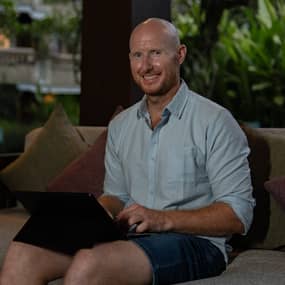
Founder DSWaldron GmbH - Turning Forgotten Leads Into Profitable Customers // AI Solutions that Drive Six-Figure Revenue Growth
Darren Waldron is an Australian-born entrepreneur who has made a remarkable transition from traditional trades to cutting-edge AI automation. After completing his apprenticeship as a cabinet maker and joiner in regional Victoria, Darren spent over 15 years working as a carpenter across Australia, Canada, London, and Switzerland, where he now resides.
Drawing on his firsthand frustrations with poor business follow-up practices, Darren founded DS Waldron GMBH, a company specialising in database reactivation and speed to lead solutions. His systems use custom-trained AI to reengage dormant leads via SMS and WhatsApp, qualifying prospects and booking appointments automatically.
Darren's approach combines his tradesperson's practical problem-solving mindset with sophisticated automation technology. His database reactivation campaigns have delivered significant results, including generating over 200 qualified appointments from a single 4,000-lead campaign with potential revenue exceeding $2 million.
Based in Zurich, Darren continues to work as a senior construction manager while building his automation business. He speaks fluent Swiss German and brings a uniquely Australian directness to the Swiss business landscape.