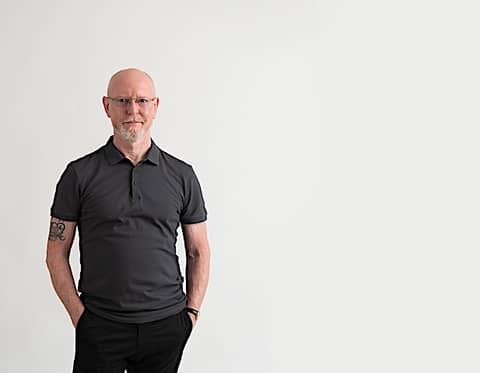


Michael Zipursky Consulting Success: Why Conversations Beat Marketing Systems for Consultants
Building a consulting practice through relationships and conversations rather than marketing systems, based on patterns across 1,300 coaching engagements in 75 industries. Michael Zipursky, co-founder of Consulting Success, describes the three stages where independent consultants get stuck and why the bottleneck is almost never tactical. For experienced independent professionals considering or navigating the corporate to independent consulting transition, this episode maps the specific mindset shifts, pricing reframes, and systematic approaches that separate consultants who build sustainable practices from those caught in the feast-or-famine cycle.
Key themes
Consulting practice through relationships rather than marketing systems
Ideal client clarity as the foundation of consulting success
Corporate to independent consulting transition and identity shift
Imperfect action consulting: taking action before feeling ready
Value-based pricing versus hourly billing for consultants
Building a marketing engine that generates conversations systematically
Coaching as infrastructure for independent professionals
AI perspectives for consultants: growth, operations, and client impact
Japanese business culture (kankei) and relational approaches to consulting
The feast-or-famine cycle and why successful consultants must keep marketing


Building a consulting practice through relationships and conversations rather than marketing systems requires a specific set of mindset shifts that corporate experience does not prepare you for.
For experienced independent professionals navigating this transition, Michael Zipursky maps the precise patterns he has observed across 1,300 coaching engagements in 75 industries at Consulting Success.
Michael Zipursky is the co-founder of Consulting Success and author of Consulting Success and The Elite Consulting Mind.
Before building Consulting Success into a global coaching practice, he built and sold multiple businesses, including Kankei Culture and Relagy Marketing, drawing on relationships forged during his immersion in Japanese business culture.
His coaching frameworks address the three distinct stages where independent consultants get stuck: unclear positioning, early wins without systems, and success without scalability.
- The conversation covers ideal client clarity as the foundation of effective marketing
- Why productive does not equal effective
- How value-based pricing transforms consulting revenue
- Three perspectives on AI every consultant needs, and
- Why Michael and host Nigel Rawlins both belilinkeve coaching is essential infrastructure for independent professionals
Wisepreneurs explores how independent professionals turn accumulated expertise into sustainable practice.
Connect with Michael
Books: Consulting Success; The Elite Consulting Mind, Act Now, Productization Playbook
Website: consultingsuccess.com
LinkedIn: Michael Zipursky
Podcast: Consulting Success Podcast
Connect with Nigel Rawlins
website https://wisepreneurs.com.au/
Linkedin https://www.linkedin.com/in/nigelrawlins/
Twitter https://twitter.com/wisepreneurs
Downloads
- Embodied Intelligence Self-Assessment
- Professional Reputation Audit
https://wisepreneurs.com.au/free-assessments/
Please support the podcast
https://www.buzzsprout.com/2311675/supporters/new
Stay one step ahead with The Wisepreneurs Insider newsletter
As a subscriber, you'll get:
- Sneak peeks at upcoming must-listen podcast episodes and guests
- Bonus wisdom straight from recent guest experts
- Marketing tips to attract your ideal clients
- Productivity hacks to streamline your independent business
- And more exclusive insights are delivered right to your inbox!
- Don't miss out on these invaluable resources
- Subscribe now and gain the edge you need to survive and thrive as a wisepreneur
Nigel Rawlins: Michael, welcome to the Wisepreneurs Podcast. Could you tell us something about yourself and where you're from?
Michael Zipursky: Well, first of all, Nigel, great to be with you. I'm the co-founder at consulting success.com, where we work with, committed, six and seven figure consulting business, owners who really want to not only grow their businesses, but create a lifestyle that allows 'em to enjoy more freedom, more flexibility, while making a great impact and, and earning, you know, pretty amazing income at the same time.
And right now I'm in, West Vancouver, British Columbia in Canada. And I just got back from Japan not too long ago, spending time and, and visiting some family over there.
Nigel Rawlins: Well, that's what I noticed about, your early stage when you, you did your first studies and then you went to Japan. So tell me something about that. Why Japan?
Michael Zipursky: Yeah, I mean, for some context, I've been going to Japan pretty much every year for the last 25 years. I grew up in Vancouver, I mean ages two to six and a half, I lived in Israel. My family moved us from Toronto to Israel, so I grew up there, but upon returning to Canada this time, Vancouver, I found myself surrounded by a lot of Asian people and I absolutely loved that.
You know, growing up in Israel as a very multicultural society and a lot of different influences from people all around the world, that always, drew my interest. And I found that as I kind of progressed through elementary school and then into high school. I remember my high school, you know, the one
kind of hallway of, uh, of lockers, if you will. Almost everybody around me was either from, Taiwan or Hong Kong or China or Korea. And yeah, again, I just, I, I love that. At the same time, I've, I've always been interested in, in business, in commerce, and going back all those years, the number one economy in Asia was Japan.
I also have always been interested in, in martial arts in, you know, the, the samurai, just the concept of tradition and respect that a lot of Asian cultures have certainly drew, drew my interest. And so I, I looked around and thought, you know, I loved what was, what Japan was all about with the martial arts, with the, the deep tradition, the level of respect to elders and just all, all of that.
So I started to study Japanese, that led to meeting more Japanese people. That led to meeting my, my wife today. And she was in Vancouver studying, she went back to Japan. I then decided I wanted to go into an exchange in Japan, or go to a program there for a couple of months
during the summer period. I worked very hard at university to win a scholarship. So I, I, I could have the money to go. And I won that. And that for me was, was an accomplishment because growing up, sports was my life. Whether it was, you know, rugby, martial arts, track and field, basketball. I mean, some I excelled in more than others, but I was, I was very much into sports.
So, and I was not into, into academics at all. Nigel, you know, I was, terrible at, at academics. I never, I didn't read a book until probably the age of 15, maybe. I mean, like, no books. But I went on a trip to Vietnam when I was 15, with my cousin, who's my co-founder in multiple businesses over the years, without any parents.
It was, a life changing moment. But, that really opened up my eyes and I, I shifted from focusing on sports to focusing on, on academics and, arts and music. But anyways, I, I worked really hard to get that scholarship. I got that scholarship. I went to Japan for a couple of months.
I studied Japanese language. in high school. And then when I went into university I ended up doing a year of exchange at a Japanese university for my third year of university. That took me to Japan. I had already had a business at that point, and so I started doing business on the side in Japan while I was studying at university.
Absolutely loved that, did not want to come back to Canada to finish my degree because I felt why do I need, you know, the education. I'm already, I'm already learning so much by, by doing business and by interacting with people. I asked both my parents, I've always respected their, their perspectives and they both said, you know, I, we think you should do it.
They're not entrepreneurs, but I respect what they, what they said. And so I decided, okay, I'll come back. And so I finished my degree, and as quickly as possible, I went right back to Japan and that's really when I leaned into opening up a branch office for our consulting business that we had at that time.
Spent the next five or six years living in Japan working with. Some very large organizations, like Panasonic and the Dow Jones and the Financial Times, and Sumitomo and Omron, a whole bunch of other big players, helping them to communicate more effectively and to develop marketing materials for English speaking markets.
So that's part of the, the journey to Japan, if you will.
Nigel Rawlins: So there's a couple of things that are fascinating there. You didn't read till 15 yet academically, you, you did okay, and you're living in a different culture and you're also selling to the Japanese, as part of your consultancy services. But the other thing too, you mentioned, I went to Japan last year for the first time ever, and I just loved it.
As you said, the discipline, the respect, the friendliness, the cleanliness. it's a very organized society compared to maybe what you see and what I see in our own countries. But you were running a business living in Japan, so your Japanese must have been getting better at that.
Michael Zipursky: I mean, to clarify one thing you mentioned I didn't read a book, I didn't study very much, but I was not doing okay academically, in those early years. It was only around near the end of grade 10 over here, so call it, you know, 15, 16 ish, maybe 16 years old,
when I decided to really lean into starting to study, you know, I went from always sitting at the back of the class, scribbling notes and doodling, to sitting at the front of the class and actually paying attention and taking notes. So it was a very big transition. But, yeah, I was not great at all in my studies or academics.
That only really happened later when I, when I, when I made that change. But to your question, in Japan and speaking Japanese, you know, we were a very small company. We didn't have a big budget to hire interpreters and somebody to kind of guide us along. And so I, I really had to lean on my, my Japanese skills.
I spent a lot of time in, in Japan listening more than speaking because, especially the early days, you know, I put myself in situations where I was the only foreigner for, for what felt like miles, you know, going into little, little, what they call izakayas or like little Japanese,kind of bar restaurants, if you will.
And this was back in the day where you could, you could smoke. And so these would be smoke-filled rooms. I don't smoke, but, and I didn't really like that, but, uh, it was part of the culture. Uh, and I would sit with people who, in many cases, so I was in my early twenties, they were in their fifties, sixties, sometimes even older.
These are presidents or, you know, chairman of organizations, or very senior executives. And I was just this, you know, guy from Canada. But that taught me a, a whole bunch of things. One, that there's a reason that I was there. So even though most of these people were older than me, they were on paper more financially successful than I was.
Like they had a longer track record, you know, all these things that they had I didn't have, but there was something that I had that they didn't have, which was a different perspective. And so that's really the value that I kind of grasped and positioned and, and put at the forefront. But I think maybe what you were getting at, and, and correct me if I'm wrong on this, but you know,
how can someone like me in that position get into these large organizations? And there's a word in Japanese, which is kankei. And kankei stands for relationship. And so Sam, who's my cousin, business partner, we've always been very big into this concept of relationships. So much so that we named our company that time Kankei Culture.
So relationship culture. When I got to Japan, actually before I got to Japan, and hopefully this might help some people out there, I did something that I think a lot of people these days are not willing to do. And that is, I still remember I was at my uncle's house in Toronto. I was gonna be going several months later to Japan and I found a list online of all the different graphic design, interior design or branding companies in the Osaka area, which is where kinda the closest major city to where I was gonna be going for exchange.
And I sent 20, 30 emails to these different companies. I think two, maybe three responded. Uh, I did it in English. Uh, only two or three responded. I met with two, one nice person, but we didn't really have a vibe. There was no, the energy, the connection wasn't there. But the other one, his name is Shinsaku, and we hit it off right away.
And it was, I mean many years of building business together. He introduced me to another person. That person introduced me to somebody else. And that's relationships, right? And so that was really how I was able to grow our company and, and put our, put us in a position where we were able to work with some very significant companies and organizations and, you know, build that kind of client roster.
It was all based on conversations. So I didn't spend my time going to foreign, like, you know, I didn't go to the, the English pub or the Irish bar. I didn't talk to foreigners almost when I was in Japan. I just, I only wanted to spend time with Japanese people because I was in Japan. I wanted to learn about the culture, I wanted to learn the language, I wanted to really understand the customs.
And so I, I made it a priority to immerse myself, into that.
Nigel Rawlins: Well, when I went on my trip, I think I spent about 10 days in Japan and we were on a bus tour, which is not a lot of fun when you're a bit older, but the lady who was the, guide was telling us that the Japanese are paid to go to these bars, to cross talk with other company people, just to spread ideas and learn new things.
Do you think that's why you were so successful in that regard.
Michael Zipursky: I, I've, so I've never heard that before, in 25 years of going to Japan, I can tell you that the people that I was meeting, they weren't paid to, to meet with me. As an example, I, I had maybe four champions. I call 'em people that really went out of their way and they didn't have to, they were all successful in their own right.
You know, one was the owner of Osaka's top graphic design firm. The other was a managing director in a very large advertising agency. The other was just a really, unfortunately he's passed away now, but, he had a very successful landowner, but he still worked just because he wanted to, to keep active.
And then another person that lived on an island that was an owner of multiple companies. These people didn't have to spend time, you know, with me. But I think we shared something which was a curiosity. We shared an interest in recognizing that there's something that the other person doesn't have, and that together, by sharing those ideas by,
you know, exchanging perspectives, we all get to benefit from that. And so that was really special for me. And I'm, I'm, you know, forever grateful for that because I got to see aspects of Japan that at that time, very few foreigners or, or people would, just because it's those, those aren't easy situations to find yourself in.
But the only reason I think that I was able to do that, it wasn't because of, you know, so much of, because of me or anything I did. I mean, the only thing I did was listen, I showed up. I was myself. I listened, I was of course very respectful, but I, I just listened and that I learned so much from that. and that led to all kinds of, of, of good things.
So I can't speak to this whole idea of being paid. I've never heard about that before.
Nigel Rawlins: Oh, I think what she was saying is that they, are given money so they can actually buy lunch for the other person or dinner for the other person.
Michael Zipursky: Sure. Yeah. I mean, there, that, that definitely can exist. There's a big, very big culture in Japan, I'd say it's, it's trending downwards as most places in the world, you know, you're seeing alcohol sales go down, sales of non-alcoholic drinks go, go up. But when I was, spending my time in Japan, a a common term was 'nomunication' and nomu is the verb for to drink.
And then cation comes from communication. So the idea and kind of this understanding is that in Japan, the way that you learn to really communicate with people is by having drinks. And you know, you, you see people that have a, they have a, a pint of beer, whatever, you know, they loosen up.
So you have 'hon-ne', which is your, your internal, like what you really believe and think. And then you have 'tatemae' which is what you express, but don't necessarily, it's not really the truth. And so Japanese have this divide between what they're willing to share with somebody if they don't feel, you know, a hundred percent comfortable and what they're really, you know, what they're really thinking.
But the job of alcohol, if you will, that it often can play, is that it kind of, breaks that barrier. And so what you find in Japan, which I always found very fascinating, Nigel, where, 'cause I experienced this multiple times, where you would see somebody in a business setting. So they're at work, they're in the office, and they're straight faced, very serious, almost no smiles, you know, just doing their thing.
And then you go out with them that evening. And this has happened multiple times where like people get drunk. I mean, they don't just have a beer or two, like, you know, you can tell they they're wobbly, you know, sometimes they're even like, they get sick. And then the next day you come back to work and it's like nothing ever happened.
Whereas, in the environment I grew up in, you'd be concerned about that person. You'd be like, you know, like, are you okay? Yes, it is just, there's a complete separation, but people work hard and then they, they let go. And it's in that time where they kind of let go and open up that the real, you know, communication kind of starts to happen.
And so I think that's, from what you're referring to, there's definitely that component of people trying to find ways to, um, to enjoy time together that is not only in the office.
Nigel Rawlins: The other thing you mentioned was martial arts.
Michael Zipursky: Mm.
Nigel Rawlins: did you continue your martial arts in Japan as well?
Michael Zipursky: I did not. And that's something that looking back on, I probably, you know, I should have, there's a lot of things that I, I should have done when I was in Japan that, you know, I feel like I, I'd still yeah.
but no, I, I didn't, I spent, so at a young age, I studied, karate. And then later, the next thing I did was Capoeira, which is a Brazilian martial art. And then what I, what I did kind of finally did, which I, I'd say I probably enjoyed the most, was Hapkido, which is a, a Korean martial art.
But when I went to Japan, no, I didn't, I didn't get involved in those. My schedule in Japan, Nigel, when I was there during my early years, or that first year of exchange, is I would get up at whatever it was, five or or 6:00 AM I would take a train, multiple trains, make two or three trains to get to the university.
I would arrive there before even the teachers were, were there. I would go into the classroom and I would do my homework because I had not done it the night before. I would be there until about 12 or 1230. I would quickly walk down the, the hill, 'cause it's the, university I went to is the top of hill beautiful campus called Kwansei Gakuin, in Hyogo prefecture.
I'd walk down, I would go to McDonald's, I would buy two hamburgers and get a water because I was too cheap and didn't wanna spend money. And then I would get on another train and go back to Osaka. I worked, some days at a Japanese market research firm, and so I'd be there until 7, 7 30 at night.
I then come back, by train to where I was living in a very small apartment that when my father first came to, he went into the, the washroom, if you will, and the, it was the toilet. And right beside it is the shower. And he said, you know, any moment he thought the sign would come on to say, return to your seat, because it felt like you're on an airplane.
And the first time I actually went there, my, my wife, now my girlfriend at that time, she found this apartment for me. And I remember walking in, putting my hands, you know, out to the side and I felt like I'd, I could almost touch the walls. It was a jail cell. But, so I'd come back, I'd pick up some food to maybe cook.
I'd make some food and then I'd sit down and then I'd start working on the business and I'd do that until 12 or, you know, past midnight and then just rinse and repeat. So my, my schedule's very, very busy in that way.
Very structured. So, but, you know, I, I wouldn't have really changed anything looking back. But yeah, I, I would've, it would've been nice to do more things like getting into martial arts since I was there.
Nigel Rawlins: No, it didn't sound like I had a lot of time either from
Michael Zipursky: No, not
Nigel Rawlins: Alright, so you had your first business in Japan and you've had a couple other businesses, and you've got the one you've been running now for about 17 or 18 years, which is Consulting Success. So how did each one of those steps lead to you to choose? Would you call it a coaching company?
Michael Zipursky: Yes, we provide coaching and training for consulting business owners is what Consulting Success is today. The way we got to that, so I referenced the, the first, actually it wasn't the first company we had, the first company that, that, that Sam and I started was called Fingertip Media.
And it, we were doing website design and development way back in the day when not many, people had websites. Great domain. We should have kept onto, you know, held onto that one, uh, Fingertip Media.com. But anyways, that was a, a really fun business. Our first real foray into running business. Sam was much more on the design development.
I was more on the client marketing communication side of things. We started that when I was in high school going into university. and very quickly, over a couple years, we realized that we wanted to expand and do something a little bit different.
And that led to creating Kankei Culture. So that was the company we had for five or six years, and really took off in Japan. When I returned from Japan, I decided that, Sam and I would kind of go our own ways and do something a little bit separate. So when I returned to Canada, I started a company called Relegy Marketing.
Again, back to the relationship. So Relegy stands for Relationship Strategy Marketing, and the focus of that consulting business was helping professional services firms with lead generation. So I worked a lot of other consulting firms, insurance companies, investment companies, that, that kind of stuff and did that for several years, and had a lot of fun with that.
Then Sam and I were at a family barbecue, a couple years, you know, in, in the future of that time. And we said, you know, like, we, we should really think about doing something again together, but this time let's do it online, right? So the, the ability to run a business online was still very, very early.
We, both of us have always loved the idea of, you know, traveling. We're still, I mean, Sam's, he travels a lot, a lot more than I do, these days. but we've done a lot of traveling. We like this concept of being able to live and work anywhere in the world. And so we thought let's try and see if we can create something online together.
And so that's really how we started Consulting Success. Now, when we started Consulting Success we didn't do it with a clear business plan. We just thought about where do we have a lot of experience? Where can we share information? This is in the early days where a lot of websites were running what was called Google AdSense.
People, if they clicked on a website or viewed your website, you could make money from that. So we thought about like, should we do that? Ultimately, we realized we, we didn't wanna get into the advertising business. And a lot of those advertisements just made your website look terrible.
But what we did lean into was the idea that we have quite a bit of experience at this point, in running consulting businesses. What if we just start sharing our experiences of what's worked for us and what hasn't worked for us? And that was just through a blog, you know, sharing initially free information.
And we had a lot of people, surprisingly to us, that started paying attention and subscribed and they said, hey, do you guys have a course on how to, you know, build a consulting business or become more successful? And we said no, we'll create one. And so we did. And now, you know, we've had different variations of that course over many years, but we've probably had and 2000 people or more go through that.
And then the people that went through that, many of them reached out and said, this has been really helpful. Is there a way to work more closely with you guys? And we said, we don't do coaching, but we'll think about it. And so we then fast forward launched a coaching program and that today is what we call our Clarity Coaching Program.
We have different levels of the program, but these are mainly people anywhere from six figures to mid seven figures per year, in, in revenues. And yeah, we've had probably 1300 people, go through that at, at this point. But in between that, Nigel, what I think might, may be interesting, and I think you were also kind of hinting at, is we, we had other businesses during that period.
And so, there was a point where we had Consulting Success going. We had another company that we had acquired that was a jewelry business, and then we had a job board that we had built. But we had initially tried to build something much bigger.
We ended up realizing it was just a job board part of it, that is what people wanted. So, we had three businesses, and I'll never forget, I was sitting with my wife in our apartment that we used to live in, and she looked at me and said, like, you know, why do you have three companies? And I thought, I was like, well, diversification.
She's like, well, what if you just focused on one of them? And I was like, huh, that's a really interesting question. You know, maybe, maybe there's something to that. And I, I would, I really think that that kind of sparked that thought process for me and led to Sam and I talking a lot more about this, which is our other two businesses.
We didn't necessarily feel the same level of interest or passion, and they weren't as successful. So the, the jewelry business we later sold that off. So that was, that was acquired. Then the job board, we still ran that for another year or two after that and that was a great business.
But, ultimately that was also acquired. And so we then put all of our focus towards Consulting Success. And that's really what we've been been focused on now solely. And, yeah, I mean it's grown, considerably since the early days.
Nigel Rawlins: That's a fantastic journey when you think about it. So working in Japan, which you had to speak Japanese and create relationships. So that seems to be a core all way through, but you've also obviously got a very good sense of business because all of those, you, well, I don't, don't, doesn't sound like you've lost money on them, but, but you were spread fairly thinly at that when you're running the three and now then you've focused, 'cause that's one of the issues that, I want to talk to you about is, you know, should you be focused or should you be general. You've said that you've coached over a thousand consultants.
Michael Zipursky: Mm-hmm.
Nigel Rawlins: What's the most obvious pattern that you've been noticing or seeing?
Michael Zipursky: I mean, it's a great question and I think your point about somebody having deep expertise or kind of subject, you know, and kind of domain expertise, so forth, but not having the business experience.
We work with a lot of those people. So they're, they're very good at what they do, but they've never had formal training or experience running their own business. So that's, that's really our focus and that's why at Consulting Success we've had clients in probably over 75 different industries all around the world.
And some people wonder like, well, how can you do that? And my response is always the same, which is it's because we're, we're not helping them with their area of expertise. If somebody is an expert in agriculture and they're specialists in, in helping farmers, or co-ops to, you know, make the land more, more valuable or, you know, produce a higher crop yield, I, I, I can't help 'em with that.
I don't know the first thing about that. But that's not why they're coming to us. They already have that expertise. What we can help them to do and, and do help 'em to do, is to think about, well, you know, how do you communicate your, your true genius and where you can create the most value?
How do you take all your years of experience and expertise and package it and position it and place value on it. How do you develop a pricing strategy around that that can shift you away from hourly fees where there's a lot more leverage? How do you build a marketing engine so that you, you are actually being able to bring in, ideal clients, you know, into your world, into your pipeline, and, and have a lot more conversations with qualified people.
How do you then, you know, grow the business, scale the business, build a team around and get systems in place? So, to your question, Nigel, the patterns are, are I, I could certainly say yes, there are some overarching patterns, but it also really depends on what stage and level of business owner we're talking about.
As an example, somebody who is earlier stage in their journey, they generally are not very clear about who their ideal client actually is. They're too general. They're not specialized or focused enough. Very often their message is not yet validated. And so they're communicating what they think the market wants to hear, but it's actually not what the market wants to hear.
And it's one of the main reasons why their marketing doesn't work to actually attract their ideal clients. So that's a very common thing in the early stage. Then as somebody starts to actually get a couple of, you know, a few wins under their belt, then it's okay. I know that people want my expertise.
I can solve their problems that's now been proven. But I'm only working with one or two clients and it's taking all of my time, or I'm working a lot of hours and I'm not making as much money as I would like. There has to be a better way. Or I've got these 2, 3, 4 clients, but it's all just been from referrals.
And there's no consistency to it. I don't know how to repeat that. I don't have an actual pipeline, like it's just been kind of luck, if you will, in my network. So that's a very common challenge in that kind of middle phase, if you will. And then as you move up there, it's really shifting from how do I get clients to, how do I optimize the business, right?
Looking at what's working and what isn't working. In the early days it's hard to say what's working isn't working. 'cause generally nothing's working yet. So you just have to get the foundation in place Once the foundation is in place, then you can, you can start to see and look at the data and figure out, well where are the opportunities for you to, you know, potentially stop doing some things that aren't serving you or delegate them or build a system or automate them.
But also what are the few things that you really should be focused on that can create the most value, as well as how can you take what's working and, you know, make it a lot better or put more spotlight or more focus on it so that you get better results. And then it's all about that optimization.
Beyond that, it's people who decide, okay, you know, I want to grow this beyond myself. I'm making half a million a year, 800,000 a year, 304, 400,000 a year, whatever it might be. But I, I actually know I wanna take us to a million dollar business or a $5 million business, or, and I know I want it to be beyond myself.
And so then, you know, we, you need to start getting into leadership and vision and KPIs and scorecards and teams and systems and all these other things that are required because you, you go from essentially being a consultant to being a CEO. And that's a very different skillset and something that for a lot of people, they don't have experience.
Some do have experience. And one, I'd say kind of trend, if you will, or common occurrence is that people will, they'll leave the corporate world because they're tired of all the management, all the politics and all of this. So, they wanna become consultants, they get into consulting, they do very well.
They swear to themselves, they're never gonna hire anybody else, and they just wanna be solo. But their success is there. And they start realizing, you know what? I could do a lot more. I could grow my income, I could actually have a business that doesn't fully rely on me.
And so some people obviously decide that they now want to build that team and get the systems in place. So, that's really the, you know, I call it the scope or the range of patterns that we see. And we can go deeper into any one of those that, that you might like. But that's certainly what we, what we encounter.
Nigel Rawlins: So I was thinking in terms of at what stage would a person who's been in a corporate area and has built up some expertise, what stage are they gonna benefit from moving out? I mean, if they move out too young, they haven't probably got a lot of experience. And we do know in corporate that all of all of the marketing, the sales, the accountings all and the management is all done for them.
All they have to do is their job. So I would assume there's a bit of a culture shock when they come out and go, what have I done? Is there a good way for them to transition?
Michael Zipursky: Yeah, I mean, it's a great question, um, and topic for some people, it's more of a culture shock than others. For some, their minds are already wired to understanding invoicing and client communications and all this kind of stuff.
But for, for many, it's not comfortable. You know, you, I would say the, the bigger shock is not so much the management of these new kind of systems or, you know, it's not like the administration part, that the big shock for a lot of people, or area of contention or challenge is that when you're working inside of an organization, the product or what you're selling or promoting, it's not you, right? It's either the, the company, the brand or product that you have or service that you have. But now you are the product, you are the service. And so for a lot of people, that's why they feel uncomfortable promoting themselves, talking to themselves, putting themselves out there, because they were taught
it's not, that's not a good thing to do. So we have to unlearn that and, and shift the perspective to, you know, look at things like marketing and promotion as not something that you do to somebody, but something, something that you do for somebody. Meaning that the, if you feel confident that you can create value and you can help people to solve problems, you're actually doing a disservice to people that you could help
if you don't tell 'em that you could help 'em, because that means they're gonna be dealing with that problem for a lot longer. So I, I'd say that's, that's a a bigger challenge, but to what you brought up the, the right time, there's like that Chinese proverb, and I'll just kind of paraphrase it, but it's when was the best time to, to plant a tree?
It's like 20 years ago. When's the second best time? Like, you know, today or yesterday or whatever, just the idea being that the sooner you start, the sooner that you're gonna start seeing results. And so we've helped hundreds and hundreds of people navigate that transition of being in corporate, or some senior role and wanting to get into consulting.
And the factors that I generally share with people that are important to consider are, number one, do you actually really have expertise that you want to continue building on? Some people leave what they've been doing and they wanna start, you know, consulting in something that they have no experience in.
And it's not that you can't be successful in doing that, you just have to be prepared that it's gonna take you a lot longer generally to get results because you have to build up a body of work and, you know, get people to actually trust you that you have that expertise. But if you have expertise and you can lean into that, that becomes a very, you know, an accelerant if you will.
The second, is a network. The stronger and larger of a network that you have, that can create an advantage because, yeah, the vast majority of consultants who start their business, their first group of clients comes from the people that they already know. It's not from people that they have never met before.
And then that leads to referrals, and that leads to building a marketing engine. So that's the most common path for people. So if you have that, that gives you an advantage and it allows you to, to see traction sooner. And part of, of that network, I would even call, you know, if you're a working organization right now, one of the best things that you can do is make sure that you're investing in the relationships of people all around you.
Your current company, your coworkers, vendors, suppliers, just that whole ecosystem. But the other one is if you can start building, your authority and visibility now through speaking through writing, that allows you to start actually building an audience. And so that transition becomes a lot, a lot easier.
The third is really a mindset, and this is something that we're very big on at Consulting Success. If somebody reaches out to us, and if they don't have expertise, we, we just, we can't help 'em. We'll say, go get the expertise. If they don't have a network, we can work around that.
There's ways to get around that. It just generally takes a little bit longer. Do you have a long-term mindset? So one thing that we always look at at consulting success and the way we've really built the business over the last, you know, 17 plus years, we're not interested in working with people who have a short, short term mindset.
If you're in a position where you need to land a client in two weeks to put food on the table, I wish you success, but we're not the right partner to help you, because that's just an unrealistic expectation. You know, it's, it's not like we're selling pens or pencils. When you're selling consulting services, you're selling to savvy buyers.
Typically inside of organizations, whether non-profit or for-profit, whether it's a funded startup or a multi-billion or you know, trillion dollar organization, that often takes time to build those relationships, have those conversations. So if you expect results overnight, you're just gonna be disappointed.
People that have a longer term mindset they're open, they're coachable, but they're willing to put in the work. They're not looking for excuses. And again, they, they're allowing themselves to have a longer time horizon. They're the ones that will always be the most successful and the ones that we love working with the most, because we know that if they can give it that time and they can be committed to it, and they're serious about it, that they will be able to create, the business of their dreams.
Nigel Rawlins: I think that's very, very clear. At what point do they realize they do need to spend good money and good money over a long term with a company like yours, Consulting Success to get themselves on track.
Michael Zipursky: I'd say it's case by case so first of all, not everybody does. There's, there's gonna be people out there that maybe they can figure everything out themselves. I think that it depends on, you know, the kind of person that, that you are and what's most important to you. If money is the most important thing and you want to conserve and hold that, and you're willing therefore to put in a lot more time and have a lot more kind of failed starts, do a lot more trial and error, spin your wheels, then, if you don't have the cash to investor, if you don't wanna try and be creative and find a way to get it, then you just have to do what you have to do.
But for those that have some savings and they're looking at it, I remember one client specific, his name is Elliot, still a client today, when he got started, his goal was to replace his income. I think within two years.
And he did it in about six months. And he said, the best investment that I can ever make and everyone can ever make is an investment in themselves. And so, whatever that is in your field, if you can find somebody that's already been where you want to get to, if you have a way to make that investment, how can there be a better investment?
You're investing in, in yourself, right? You're, you're figuring out and learning what are the things that I should avoid? What are the things that I should do right now? And so that's not just about the work that we do. There's, there's lots of, you know, in all areas of life. But what I often kind of come back to Nigel is find one person that is the top in their industry or, you know, ultra successful that hasn't had a coach, a mentor, or somebody
that has helped 'em. And it's very hard to find that because most people who are high achievers, they're not people who just sit around trying to figure things out themselves. They're open to feedback and they recognize that there's a really, there's a much faster way to get results. And that's simply finding somebody or something that can show you the path to get there.
That, that's actually one of the reasons why I went from not reading a book at all to, I mean, writing several books, but also I devour books. I, I love books. I think, and I realized, you know, when I was in Japan one year, that I could go to a store, I could pay a thousand yen. So, I mean, I dunno what that is now, in Australian dollars, but call it, maybe like $6 American.
And you could, you could buy a book. And a, a book is something that somebody is, they're sharing if it's the right book, they're sharing, you know, 15, 20, 30, 40 years of experience. Where else can you get that? Like, that's just so tremendous. So just to get, you know, to, for your question, I think it's a long, long answer to, to what you asked, but it depends on the person.
And not everybody necessarily needs that, but for those that want to accelerate and who value their time more than they necessarily value their money initially because they, they see the long-term potential. I've personally never found a better investment than investing in myself. And we eat our own dog food.
We've spent hundreds and hundreds of thousands of dollars, maybe even a million dollars at this point in our own coaches and programs, because I always wanna learn from people around me. There's always more to learn.
Nigel Rawlins: I have to totally agree with you. I, um, I, I did speak to another business coach, Melissa Lieberman, recently, and, she was telling me that she hires coaches for herself in a number of areas so that she keeps improving. After speaking to her and I have listened to a couple of your podcasts,
I decided 'cause I was thinking, oh after, like I've been going 20 or 30 years now running marketing services, which is backend stuff. Should I do coaching? And I had it up on the website and after talking to Melissa and I've spoken to Melissa a couple of times and, and listening to you, I made the right decision to take that off my website 'cause it's not what I want to do.
I don't have that patience. But I have had the luck of working with a former Hewlett Packard marketing manager for 20 years. And he taught me a lot of frameworks 'cause I had no idea about business when I left, I was a teacher and he taught me the deep frameworks and, and that is ingrained in me.
We call it embodied. So I know this stuff and that's what you are doing. And, and that's why I think coaching is really important. And I think any serious independent professional should have a coach. And so I decided after speaking to Melissa, I'm not gonna offer that, but I'm not gonna really work with anyone who's not working with a coach,
'cause I don't wanna have to explain all this stuff multiple times. They need to have that basis, and what I'm hearing from you, from the mindset, uh, the ideal client,
the knowledge about value pricing, your marketing system, getting a return, these are deep frameworks and I can see from your trip to Japan and sitting in those bars.
It comes all the way through. And then obviously running multiple businesses. You offer a great service in that regard that you can see what they need. Do you think they can see what they need? They know that there's a problem, but do they see where they actually need help?
Michael Zipursky: Some do and some think they do. Uh, one of the things that, you know, we do with clients is an audit, a diagnostic to really identify what, what's working well and what isn't working well.
And that can often reveal a lot of opportunities, right? Strengths and weaknesses and opportunities. Some clients are very clear on, I need help in this specific area. And so that's great. All of our coaching that we do in the Clarity Coaching Program is all customized to our clients.
It's, it's one-to-one. There's group components as well and, and a whole community and, and live events. But it, it's, it's one-to-one coaching with one of our coaches. And these are all successful, you know, high six, seven, or even eight figure consulting business owners, in their own right. But some are very clear, Nigel and others, they just recognize that they know they have the potential, they know they want to grow, but they don't actually know what they need to do to, to grow or to achieve what their goals are.
And I think that by itself is enough. If somebody has that desire to, to achieve something in any aspect of, you know, business or life, that's a seed, that's the beginning, because it, it signals that they don't want to just stay where they are, right?
They don't wanna become complacent. They, they want to improve. And I think that's a really important characteristic for really anyone to have. Because if you don't have that, then you end up becoming very complacent. And if those around you are not, then just by default, you know, you will go down and they will go up.
So, regardless of whether they're very clear on what they actually need or they just know that they want to improve and to grow, then it just comes down to conversations. Taking 'em through the diagnostic, exploring what they have right now, what they believe they want to create, and then kind of reverse engineering that to identify what are the biggest opportunities.
And areas of focus that will create the result that they want, and take them through from where they are to where they want to be. But very importantly, is doing it in a way that really respects what they want to create and the lifestyle that they want to have. Not just like, our clients are not just interested in more money, more growth.
The most important thing for the majority of them is quality of life and, you know, time with family or the things that are their health, whatever it might be. But of course, they still want to grow. They wanna optimize their business, but they don't wanna sacrifice the things that are very important to them.
Nigel Rawlins: I spoke about with Melissa is she talks about lead generation is getting in, well, getting in front of new clients and stuff like that. And she thought that one of the problems was that they didn't take enough time to do the marketing. So we, we know in a business, you, you've gotta sell your product, which is your expertise, but you still have to run the business, but you've also got to market the business.
So again, coming out of a larger company where a lot of that's done, do you find that you need to say to, you do need to spend time on some of these areas, not just doing the work.
Michael Zipursky: For some people, yes, I would say that that is a true statement in, in my observation and experience.
But for others, I, I would disagree. And, we certainly see people that right now spend or feel like they spend a lot of time on their marketing, but they're just not getting the results that they want. And so if somebody clearly is not spending the time, then it becomes very important to make sure that that is, there's a system around that and, you know, clear expectations for them or for their team.
There's measurement in place because I've witnessed countless clients over the years who have built very successful businesses and they've essentially, you know, said Nigel, that I'm booked out. I'm, I'm good. I'm so busy right now. So they didn't have time to work on their marketing.
They kind of take their foot off that proverbial gas pedal. And while they were expecting that things would go great for another two or three quarters, one client pauses, one drops off, the project that was supposed to start, gets delayed, and they've lost all their momentum. So we always advocate that it doesn't matter how busy or successful you are, you, you need to make sure that you always have some marketing going.
I was actually just speaking to a client in Europe earlier today, who runs a solo consulting business, has absolutely no desire to bring on anybody else, has a a few contractors that kind of support here and there, but it's, it's largely this one consultant. And they run a, a high, very high six figure business themselves.
They need to keep marketing. Their whole 2026 is essentially booked out, but I still said, you still need to keep marketing. And they are. So that's important. But again, there's others out there who might be listening or they, you know, they would resonate with us, I believe, who feel like I've been doing a lot, I've been trying everything that people have been telling me.
I'm, I'm doing the LinkedIn, I'm doing this, I'm doing that. It's just like, I'm spending time, I'm just not getting the results. And so that then requires a bit of a deeper dive and analysis to see what's going on. What are you doing, why is it maybe not working? And then some cases it's that, you know, it's not about how much time you're spending on, it's just that what you're doing, like you're, you're, there's a missing piece.
And so we need to fix that so that you can start seeing greater results and then build a system around it. Because in most cases, the, the business owner shouldn't be the one that has to drive all the business, or that everything relies on them.
Nigel Rawlins: I agree with that and I'm noticing, more so now that you can have a fairly large turnover business with one person, because with maybe subcontractors who assist or some fractional people can help, but we've also now got AI working. Are you starting to see how that can be part of a business?
Michael Zipursky: I mean, AI is huge. It's the future. Anyone that right now is ignoring it or, you know, kind of putting their head in the sun, hoping that the trend changes, I think will be disappointed because what we're seeing today is likely the, the worst it's ever gonna be.
It's only gonna get better from here. We we're doing a lot with AI in terms of running trainings, masterclasses, providing resources, you know, all kinds of tools for our clients to help 'em to leverage AI. Many have already been building their their own use cases or, or tools or GPTs and so forth.
So yeah, we're big believers in this and our stance on this from the beginning, Nigel has been that, you know, AI is not gonna replace consulting. Like, you often saw those headlines months ago where people are like, you know, AI is gonna kill consulting. And it's like, yeah, that'll get attention.
But if you dig deeper, AI will kill the consultants that don't use AI but the consultants that know how to use AI efficiently, effectively, I mean, it's really amplifying your ability. So that's what we're trying to put at the forefront with our clients. We're not trying to suggest that people become AI consultants.
You don't have to be a, a, you know, a technologically kind of savvy person, but I do believe that it's important that you understand AI from a few different perspectives. One is, how can you use AI to grow your business? Number two, how can you use AI to streamline essentially the operations of your business or the delivery of your business?
So the internal. And then the other aspect is what is the impact of AI for your clients, right? For those that you work with. And I believe that, especially that last one, I think every consultant needs to look at all three. But the last one, there is one that a lot of people don't spend enough time thinking about yet.
If you truly want to be a thought partner and an advisor to your clients, then you owe it to them. You owe it to yourself to study those impacts because your job is to help your clients be successful. Tell 'em to kind of, as Rita McGrath says, you know, see around the corners before you get there.
If you're not thinking what the impact of AI right now, I mean, you're, you, you don't have a map like you're using the paper map. Well, everybody else is, is using Google Maps. There's a, a big gap. So those are kind of the three areas that we're diving much deeper and, and working with our clients on so that they can see the different applications in all those, um, different areas.
Nigel Rawlins: You can see the value of Consulting Success in that regard is that you're growing with with what's happening in the world and you are bringing it to your clients already. So if, if for example, somebody's still working and they're building their expertise, which one of your books would you recommend they start with to, to start getting the idea of what they've gotta be thinking about to go independent?
Michael Zipursky: Yeah, I mean, so Consulting Success, same name of the company is the book that I would probably suggest as a good starting point for those that are a little bit further along the Elite Consulting Mind,
which really dives into the mindset that I believe is so critical for you to, to be successful. So yeah, I would look at those, at those two. Um, yeah, we have other resources I can share as well, uh, Nigel, but that's where I would start would start.
Nigel Rawlins: Yeah,
I think there's always good idea to, to read books and then follow up. So at this point we're probably towards the end. Is there something else you'd like to mention to help say people who are thinking about what they're doing?
Michael Zipursky: I mean, there's always so much
to
to talk about. I'm a very big believer, and, you know, we talk about this a lot at our company, which is the concept of imperfect action.
So imperfect action is much more powerful than, you know, than perfect inaction, right? It's if you don't take action, you're never going to actually learn so much of what people hesitate on, or, you know, overthink. So much of what leads to inaction is, you know, the, the concern of what, what if, and that's, that's based on what you don't know.
So people spend a lot of time, let's say, trying to get their website right, or their messaging or their fill in the blank. The way you ultimately know if those things are going to be effective or not, is to put the motive to the marketplace to start having conversations. That feedback is, and you can leverage AI uh, to help with some of this as well, but you, you need to get that and like, you need to just get out of the building.
I often talk about, and this is in the book as well, that people will generally feel very comfortable building things, right? Whether it's your website, your business plan, your market materials, like the building part for a lot of people is the easy part because it's comfortable. You can do it without anybody, you know, poking holes in, in it without anybody telling you that you're wrong or that you've made a mistake.
It's, that's easy. And so people end up feeling like they're being very productive because they are creating a lot, but productive does not equal effective.
And so the way to, to truly be effective, right, to accomplish your goals is not just to build, you know, to get out of the, of the kind of proverbial building.
And in the business of consulting, the most important thing, hands down is conversations with clients. Everything that, that people do from a building perspective, the, the goal of that is conversations. So asking yourself, what is the most direct path that I can take to have more conversations, generally will allow you to sidestep, or be more efficient in, in reaching that goal.
And will move you forward a a lot more. And this is why very often you will see people who you might notice don't have the same credentials as you, right. They don't have all the acronyms and certifications. They don't have all the degrees from fancy schools. Maybe their IQ might be lower.
Just the list goes on. But they're much more successful and, you know, than you when you have all those things. And so how can that be? Well, it's because they just take a lot more action. They, they know that, that they don't know everything, but they know that they're gonna learn a lot more by getting out there and having conversations and, you know, actually putting things to work.
So that would really be my, my big encouragement to people. On the AI side, we just actually put out a, a report that goes a lot more deeper into the opportunities with AI for consulting. I think that's right on the homepage at consultingsuccess.com. If you wanna grab, that's completely free. But yeah, that's really what I would share with people is just that,
for me, Nigel, the, the thing that is most exciting about business is that you can truly build the business that you want. You just need to be intentional about it. You can't do that when you're working a job. You are in a, in a business environment. If it's your business, you're, you're the master of your own destiny.
The choices that you make create the, the outcomes that you, you know, that you desire if, if you make the right choices. And so I think that's just such a tremendous opportunity for anyone. It's not necessarily right for everyone. It's not easy, but if you're committed, you, you really can build something very special.
Nigel Rawlins: And I, I think that's perfect and it really does help by having somebody who knows the ropes and can guide you through. And if you're lucky, like I was to, to have a mentor who works with you, that's fantastic. But if not, you really do need to pay for this. I, I just, I think the, the longer I've been in business, the more important I'm seeing this is 'cause it's hard out there and you do need that support.
So Michael, how would you like people to connect with you or find you?
Michael Zipursky: Yeah, so I think two places that are easy to, to reach me through, either just go to consulting success.com is kind of home to everything that we have lots of free articles, resources.
We do studies and publish the results of those. It's all at consultingsuccess.comor also LinkedIn where I'm, fairly active and you can just look up my name, send a little connection request and I'd be, be happy to
connect.
Nigel Rawlins: You've also got a podcast, haven't you?
Michael Zipursky: you? I do, yeah. The Consulting Success Podcasts.
So, feel free to to check that out. I was talking to somebody about this earlier today, 371 interviews I believe. But the actual podcast, if you would've iTunes, were. I think 463. So we, 'cause we do solo costs and some, and some bonuses. But yeah, we've been doing this for, for many years and, we have, amazing guests that, that come on and, it's always nice to share people's experience, so I would highly encourage people to, to check that out.
Spotify, iTunes, whatever you use to, to listen to podcasts.
Nigel Rawlins: Well I've listened to a couple and I thought they were great. Michael, thank you very much for me being my guest. It's very much appreciated.
Michael Zipursky: My pleasure, Nigel. Thank you for having me. I enjoyed the conversation.

Co-founder, Consulting Success; consultant coach; author
Michael Zipursky is the co-founder of Consulting Success and one of the most experienced coaches working with independent consultants globally.
Over 17 years, he and his brother Sam have coached more than 1,300 consultants across 75 industries, helping them build practices grounded in relationships and conversations rather than marketing systems.
Michael's approach to consulting was shaped by his early career in Japan, where he spent 25 years building business relationships through immersion in Japanese culture. That experience, working with organisations including Panasonic, Dow Jones, and Sumitomo, taught him that consulting success comes from genuine curiosity and sustained relational investment rather than credentials or tactical marketing.
He is the author of Consulting Success and The Elite Consulting Mind, and created the Clarity Coaching Program for consultants seeking to move beyond sporadic referrals to systematic practice growth. His frameworks address ideal client clarity, value-based pricing, and the mindset shifts required for the corporate to independent consulting transition. Based in West Vancouver, Canada.
