

 Apple Podcasts
 Spotify
 PocketCasts
 Castro
 RSS Feed
 Margareta Krizova Freelance Advice: Six Questions for Professional Reinvention
Margareta Krizova offers freelance advice for professional reinvention, sharing six questions that replace the business plan.
After almost 30 years in M&A dealmaking, she sold her equity stake at 53 to rebuild as an independent freelancer. The conversation covers her six questions framework, invisible work (where freelancers fail to count their own hours), and why side hustles work as a low-risk transition from corporate employment.
Wisepreneurs explores how independent professionals turn accumulated expertise into sustainable practice.
Margareta Křížová co-founded a boutique M&A advisory firm in Prague in 1993, headed its mergers and acquisitions division for 12 years, and then sold her equity stake at 53 to rebuild as an independent freelancer.
She now combines selective M&A advisory work with entrepreneurship mentoring, runs the Newton University Business Accelerator (now in its fifth year), and has published three books including "Third Career" on building a professional life after 50.
Margareta shares her six-question alternative to traditional business plans, explains why she refuses to read anything longer than two pages, and describes the financial blind spot she calls "invisible work," where freelancers systematically fail to count their own hours.
The conversation covers how she uses ChatGPT with Keith Cunningham's "The Road Less Stupid" as a virtual thinking partner, why side hustles work as a low-risk transition strategy from corporate employment, and what the Newton accelerator's intergenerational mix of university students and experienced professionals teaches both groups about starting businesses.
For experienced independent professionals considering a portfolio career, this episode maps the practical realities of going from equity partner to sole operator.
Mentions: "The Road Less Stupid" by Keith Cunningham. ChatGPT, NotebookLM. Newton University Business Accelerator. Den D (Czech Dragons' Den).
Connect with Margareta: website: margaretakrizova.com | LinkedIn Margareta Křížová
Wisepreneurs explores how independent professionals turn accumulated expertise into sustainable practice.
Connect with Nigel Rawlins
website https://wisepreneurs.com.au/
Linkedin https://www.linkedin.com/in/nigelrawlins/
Twitter https://twitter.com/wisepreneurs
Downloads
- Embodied Intelligence Self-Assessment
- Professional Reputation Audit
https://wisepreneurs.com.au/free-assessments/
Please support the podcast
https://www.buzzsprout.com/2311675/supporters/new
Stay one step ahead with The Wisepreneurs Insider newsletter
As a subscriber, you'll get:
- Sneak peeks at upcoming must-listen podcast episodes and guests
- Bonus wisdom straight from recent guest experts
- Marketing tips to attract your ideal clients
- Productivity hacks to streamline your independent business
- And more exclusive insights are delivered right to your inbox!
- Don't miss out on these invaluable resources
- Subscribe now and gain the edge you need to survive and thrive as a wisepreneur
Nigel Rawlins
If your career has been built inside an organization, the moment you leave, it all goes quiet. No office, no colleagues down the hall, no IT department to set things up, no marketing and sales teams to bring in the work. Just you, your laptop, the birds outside tweeting, and maybe the cat. My guest today is Margareta Krizova. She co-founded an advisory firm in Prague in 1993 and ran mergers and acquisitions for almost 30 years. At 53, she sold her share and went freelance. Today, at 61, she mentors entrepreneurs, runs a university business accelerator, and has just published her third book on what she calls The Third Career. What I find really compelling about this episode with Margareta is how down-to-earth and practical she is about the financial basics most people avoid. This is the Wisepreneurs podcast. I'm Nigel Rawlins. Margareta, welcome to the Wisepreneurs Podcast. Could you tell us where you're from and something about yourself?
Margareta Krizova
Well, thank you, uh, Nigel. Thank you for having me. I am actually sitting here in close to Prague, in the Czech Republic. Uh, and I am, I would say I am the whole life entrepreneur. I, uh, co-founded a boutique advisory company with two Americans, actually, uh, in 1993. And I will say I was lucky that I was 24 at that time. So I still had, you know, the opportunity to enjoy and grasp everything, what that turbulence time, uh, offered. Quite honestly, when uh, I got the offer, do you wanna start a company with us? I was like, oh yeah, sure, I will go for it. And I can tell today that I wasn't a hundred percent sure what it means, because obviously entrepreneurship wasn't allowed, uh, before 89, 19 89. So from there, I was working, you know, I, I got a share in the company. Again, I wasn't, I think, able to appreciate exactly what I got, but, uh, going forward, uh, I learned as I. Went and I, you know, uh, I just enjoyed doing business. First I was, uh, really, you know, I was learning, but then I went back to school. I studied, uh, international and public relations, and I I got my MBA and I, uh, gradually got into M and A. And, uh, after like 12 years, I was made head of the M and A division at the company. And I, I just really enjoyed it and, uh, I realized that I also enjoy helping people who are actually thinking about starting the business. So that's how I got into entrepreneurship. That's how I got into startup world. And after almost 30 years, uh, owning, co-owning that company, I got into my late fifties and I started to ask, is this all you know, will I do this and stay in this company for the rest of my life? And I made a big change when I was 53 and, uh, I sold my share and I just became a freelancer. Of course I was really scared, uh, because you have the corporate ecosystem, although we weren't a huge corporation, but, you know, I, I had assistance and all of that, uh, and suddenly I was on my own. Uh, but today I know that I should have done it earlier because you get freedom, of course. Uh, you work harder. Because you have to do many things that you didn't, you, you didn't have to do before. Uh, but I, I am enjoying it. So today I am still doing some M and A work. I am helping, uh, entrepreneurs. I am helping, uh, startups, getting investors, and I also run, uh, a business accelerator for students at the Newton University. So that's Margareta in nutshell.
Nigel Rawlins
Now we should go back and explain what m and a means, um, and, and how that informed you as an entrepreneur.
Margareta Krizova
Well, M and A goes for mergers and acquisitions. Very, uh, simply put, it's when you want to, when you own a company and you decide you want to exit, you wanna sell your company, uh, or if you are a successful company and you want to buy and acquire another company, this is exactly what it is. It's buying and selling companies. It also may include, uh, venture capital, private equity, but it's like, you know, just very sim simply put, it's buying and selling companies.
Nigel Rawlins
So what do you have to know about business when you're doing M&As? And we should say this was 1993 that that started, and that was when the Czech Republic and Slovakia, uh, split, wasn't it?
Margareta Krizova
Yes, exactly. That's, uh, when we split, I think, uh. Actually it was a political decision and I think people were not happy about it because, you know, it, we had a co, a common history. But anyway, it was the time. And I will say that we, uh, we even had funny moments because some of the terminology didn't exist in the Czech language. You know, venture capital, it was not possible to translate it. So we still have these, these words, uh, in Czech that, that are used, uh, as in English. Um, but it was, it was excellent time. Uh, many companies, uh, international companies were coming to the Czech Republic because of its regional or geographical location. They made, uh, Czech Republic, their European, or central European hub business hub. So these were our first clients. After we started the company, we worked for huge companies like Levi Strauss, Colgate, Palmolive, and, uh, many more. And in, in the beginning it wasn't about them buying companies. The first phase was really, we are coming here, we wanna settle in this market, make it European hub. We need someone who will help us, you know, do the infrastructure and, and uh, connect us with, with right people. And, uh, it was just very. It was very interesting, uh, and I, I really enjoyed it. The, the buying companies when international companies came and, and were looking for potential acquisitions that came couple of years later, although I should, I should say, sorry, I should say that, uh, I jumped in right after 89 and I worked for two years at White and Case the New York Law firm. Uh, where I really started from scratch. So, uh, today when I'm telling that to, to some people, they're like, you really started like that. I was, I was the, uh, kind of, you know, uh, the office, office person. I would say maybe kind of office manager, but I, I was really starting from very, very scratch and, and I was learning.
Nigel Rawlins
And you're continuing to learn today, aren't you? I think. Alright.
Margareta Krizova
Absolutely.
Nigel Rawlins
Let's talk about at 53, you decided to sell your share and become a, um, entrepreneur or a freelancer. What were you doing? And, and you've mentioned that you were doing several things, so, and, and we'd call that a portfolio career, wouldn't we? So let's go through some of those things. So what was, let's just go through them, I suppose, maybe one at a time of how, how you do all of those together.
Margareta Krizova
Well, uh, I was actually talking to someone yesterday about this and, and she asked me, how do you handle all of this? The truth is, I, I. Finally realized that I have some, probably something like what we called, uh, ADHD. I didn't know about it, but that must be one of the reasons. But the truth is, I just like, uh, I like, uh, doing things. I, I'm interested in many things. And the truth is, if you are in your later phase of your life, you have time, and I'm always telling people that's a hugely valuable commodity because when I had my family, small children, I didn't have so much time in my hands. So, um I do some M and A work, but I obviously choose very carefully and I have my team of other, uh, professionals like lawyers and, and financial analysts who work with me on a particular project. The huge joy is the Newton Business Accelerator. Um, and, you know, I do some mentoring and consulting, but the truth is, once you figure out kind of time management system and once you realize that you are just one person and you also need sometimes spend time with my husband and, you know, have some time for me, uh, you, you can, you can do it. But the truth is I do work a lot.
Nigel Rawlins
Yeah, I think you're a bit like me, so I, I've been going all day and here we are, it's seven-thirty at night here and it's nine-thirty in the morning where you are. Um, I, I've been going since about eight o'clock this morning and I get tired and my eyes get sore, but I just love doing it. Um, I don't know if I've got ADHD, I've got this terrible curiosity and that's why the podcast, and that's why I wanted to talk to you. And I guess I'm not too sure how many people know you, but maybe on uh, LinkedIn, they know you. But I heard about you and I was fascinated by some of the stuff you're doing. So let's go through. So mergers and acquisitions, I'm assuming that really, and, and you mentioned you've got a team, so, that's a lot of management, that's a lot of working with other intelligent people. Do you take the lead on that mergers and acquisitions, so you have to coordinate and understand the numbers and.
Margareta Krizova
Exactly. But the, the truth is, uh, I worked with these people, uh, for many years now. I am 61. So this team is, uh, you know, was put together, uh, something like seven, eight years ago. And some of them I worked with even before, uh, during my, uh, company time. Um, it is ma it is mainly coordination and kind of team thinking because that's what's exciting for me because when we work on a project, uh, on a transaction, that's what's fun. Sitting with these people at the table and talking about the transaction structure, uh, issues, risks for the buyer or seller, depending whether we are on the buy side or sell side. Uh, and I don't do all that work. You know, I, I mean, obviously the lawyers look at the legal stuff, the financial analysts crunch the numbers, but you need someone who will put an umbrella above all of it and, and keep it together. Sometimes, you know, you have to tell the lawyers, okay, I know that there are these risks, we need to tell it to the client, but the truth is, business comes with risk. So the client needs to understand it, but we can't have 1000% uh, uh, risk proof deal. You know, so it's about coordination also.
Nigel Rawlins
And, and that's wonderful'cause you're working with other intelligent people and you've been working with them for a while. So there's a lot of, I guess, intuition going on there and trust. So in terms of those skills and becoming a freelancer and losing the, um, corporate ecosystem. How did you then cope without the corporate ecosystem? And then what I wanna know is, okay, the Shark Tank stuff that you're doing and the Newton University, what you bring to help other people who, like me, when I started 25 years ago, had no idea about business, but knew I wanted to go into business.
Margareta Krizova
Well, the, the first question, how do I deal without the, the corporate ecosystem? I panicked in the beginning, you know, I was like, I realized how many things you need to do if you are on your own. Uh, but as I said, I, I just realized that I cannot do everything. So, and also. I am trying, I would say I'm trying to be nice to myself. So, for example, you have to do some marketing. Uh, but one, one thing, one possibility is that you are like, oh my God, I need to post every day or every other day, or I need to do this. At some point I was like, I won't, I won't post. What will happen? Nothing. You know, so I, I don't think people forget me if I, if I don't post for one week, two weeks probably. So I panicked and then I put together my own system. And what do I bring to people? Uh, depends. Uh, when someone comes and says, I have an idea and I want to make it a business. Uh, I am some kind of devil's advocate because some people come with great ideas and they are visionaries, but they're not doers. So I'm always asking how will you uh, fulfill this? How will you make your dream, uh, reality? Uh, do you have someone next to you who you are visionary and you have a doer? Uh, sometimes I need to ask people about money. I don't think that, uh, you need to have a fortune to start the business unless you are, I don't know, producing spaceships. But, some people are a little bit naive and that naivety can be dangerous. So, you know, saying, I need to ask about money. It's about how will you, uh, fund it in the beginning. And when people say, well, I will go and find I investor, I need to tell people, well, investors don't invest in ideas. You have to have at least your, uh, MVP or something. So it's kind of put it in the uh, realistic framework, I would say. So that's for, uh, beginning entrepreneurs or people to be entrepreneurs. And then sometimes people come and say, you know what? I have a small business, but it doesn't work as I wish. I feel like I'm stuck. So we are talking about, uh, what they can improve, what doesn't work, why it doesn't work. Sometimes people come and say, well, I need to increase, uh, sales, so I need to put more money in marketing. I say, well, before you do it, you need to see why you don't have, uh, higher sales. So, and then with respect to M and A, uh, it is about trust and I like you mentioned it before, it's about trust. Business obviously is all about trust. And, um, when an owner comes to me and says, you know what, I own this company for 30 years. I'm tired. My kids do not want to step in. And, I'm thinking about selling, but I have no idea how to do it. I am afraid that, you know, it's too complicated. So that I would say that is a longer discussion because that seller needs to trust me that I am the person who will represent his interest, and, and I'm telling people, look, I won't tell you what you want to hear. I will tell you it's, uh, it's expensive. It's, uh, you know, it takes time. It's time consuming. You will need to, at some point, you will need to really disclose many things that you may not feel comfortable about. So, and, and so this is, this is what I bring to the table when, when, when I help people.
Nigel Rawlins
And I think if people are listening, they can hear that you've obviously learned a lot of things, so you know the questions to ask. And you also know, I'm assuming, um, how reluctant they may be to share some of that information. Um, because I, I think a lot of, uh, businesses probably quite messy, um, especially a family business unless they've got advisors and good company like, my accounts are only done once a year. I'll just do the books and then I give'em to the accountant and he does it. I don't really look at my books. And one of the things we will talk about is business plans. So tell me about the Shark Tank. The Shark Tank is a, an American concept or an Australian concept? Um, but you did something similar on Czech TV, didn't you?
Margareta Krizova
Yeah, uh, I think it was actually there are two licenses. There is Shark Tank and Dragons Day. I think one is British, one is, uh, American. I think this was the Dragon Dragon's Day license, but it's the, it's the same. Well, actually this was before I, uh, became a freelancer. This was still, uh, during the time, uh, of, of my company. Well, it, it just came out of blue. It was very popular here in the Czech Republic, and I think someone recommended, you know, they, they wanted a woman. Obviously it, there are not so many women in business, especially not today, but at that time, um. And, the Czech TV called me and they, they said, would you, would you do it? Uh, and of course I had to come, uh, to do the, the casting and, uh, it was quite strict because I think someone from the production, uh, the, the mother production company came to vet it. Uh, but it was great experience. Uh, we had a lot of fun and obviously it was huge visibility. And I will say it helped me to, to, uh, bring my voice to public.
Nigel Rawlins
So again, what, what I'm, I guess I'm trying to draw out here is the, obviously in business numbers count, obviously the product does, um, and the ideas behind, but the, the, the product still has to be able to, um, have customers and, and, and bring in some money. So, again going from mergers and acquisitions, we're probably talking about multimillion dollar companies in many cases, down to a little tiny company that might only turn over$50,000 or a hundred thousand dollars. So how do the numbers work in that situation?
Margareta Krizova
Mm-hmm. It is different, uh, with respect to level of sophistication, but the principles are the same if you have a product or service, unless someone is willing to buy it, you don't have a business. That's, you know, you know it, I know it. Uh, so when I talk to small entrepreneurs, people are afraid of numbers. So sometimes they're like, well, if I don't look at it, it won't be a problem. Uh, but I usually show them. I, I always say cashflow is the blood of business, so you need to look at that. You need to look at, uh, whether you are actually making money. So break even point, whether you are only covering your costs or you are really making some profit. And, uh, just, just make a, a habit to look at the numbers regularly. Look at your, uh, receivables, look at your liabilities, look at whether you are making profit. And also, uh, especially with the freelancers, uh, and, and small companies. I would say small, uh, freelancers probably, I call it invisible work. You know, people usually don't count in their own hours, their own. Because they're like, well, that, that's just me. And, uh, you know, I won't put it it in the price of the product. It's more about products and it, it's still work. And if you don't do it, you will have to pay someone to do it. So, uh, I, I try to, uh, kind of handhold people in the beginning so that they stop worrying about numbers and stop thinking that it's just something super, super complicated.
Nigel Rawlins
I, I guess that is the, the problem. I remember working with my, um, late mentor and we used to run some business simulations and simple little calculations. Like we, we'd give them a simulation. There are six companies and they, they're sharing$20 million in revenue. And we'd ask the question, what can you tell us about that? Well, six companies,$20 million revenue shared. It's about 3 million. But I had accountants getting calculators out.
Margareta Krizova
Mm-hmm. Mm-hmm.
Nigel Rawlins
you know, and, and then I had other people, their eyes would glaze over. Now, I used to be a primary school teacher, an elementary school teacher for 16 years. And I realized after 16 years, and, and that's only children in primary school, so not high school, that all the times tables we taught those kids and all arithmetic, and then they'd go through high school, didn't want to look at numbers or think about numbers. You know, their eyes would glaze over and I think, well, what, what did we do to their education to do that? Because as you said, the numbers are scary for some people, but the numbers are still important. So let's talk about solo entrepreneurs. One of the things you talk about is business plans, so tell me what your thoughts are on that, because I'm assuming some business plans will put numbers in there, won't they? Or, or, or figures of revenue.
Margareta Krizova
Uh, it's, it's funny that you are asking about business plans because my view on business plans is, is quite, um, how to put it. Uh. I, I, I don't like them very much. And in the beginning when I started to be more, uh, known for, uh, helping people start, uh, starting the business, uh, I got a lot of business plans. And some business plans had 50 pages, some business plans had, you know, about 70, a hundred pages. And I finally, uh, I remember making a blog post and, and putting it on on my social media. And I said, I don't read business plans that are longer than two pages. I simply don't, and no one reads it. No one will read 50 page, uh, business plans. And the truth is, it's a waste of time. So I usually tell people, ask these six questions. What do you sell? Who will buy it? Why will people buy it? What is your go-to market strategy? What is your pricing strategy? And do you wanna work with someone or are there any potential business partners who can be helpful or who have set synergies or, or something like that. And obviously, as again, as I say, if you plan to produce spaceships, you probably, it would be helpful to have a business plan. But if you are selling simple things, if you are providing some service, you don't need a massive business plan. And the truth is the business plan is not set in stone. You will change it as you go. You know it, you do your business and you know that you do things in a different way than when you, uh, start it. The same is with me. It's evolving, uh, process. And the truth is people love to hear that. You know, people are like, oh Jesus, thank you. You know, I, I thought I will have to write so many pages. But having said that, the numbers are missing very often, uh, as you said correctly. And sometimes when numbers are in there, there is that this famous hockey stick. You know, I will start on Tuesday and I will be profitable next Thursday. So, I just try to make it simple for people, but I push them to think realistically and plan realistically,
Nigel Rawlins
I think that's the issue, isn't it? That if you've got a service, might charge a thousand dollars for that service or$10,000, you still gotta get somebody to pay it, and then you've gotta get enough of it, um, so that you can run your business and give yourself a bit of salary. I often say to people, well, if you're starting out and you've not got a lot of revenue, go and get a little part-time job, so you have got some money in, and if you're married, you're not gonna get in trouble with your partner.
Margareta Krizova
That's a very important thing. I'm glad you are saying it because sometimes people say, well, you know, we have this family, uh, financial reserve, and I, I'm planning to use it for starting the business. I said, yeah, don't forget to mention it at home.
Nigel Rawlins
Yes. I think that's the hardest lesson. All right, tell me about Newton University. Is that where you help people start a business?
Margareta Krizova
Well, Newton University is quite, uh, major university, private university in the Czech Republic, and it's very much focused on business and, uh, entrepreneurship. And, uh, they actually approached me five years ago and they said, you know what? We are business university, but we, we should have a business accelerator for students who actually, uh, in addition to studying, they wanna be actively preparing for having their own business. So this is what, what we do. We are in the fifth year. And, I was excited about this, this idea, but I said I have one condition kind of in quotes. It won't be only tech. And, it'll be even for people who, who do not have a, a real, I mean, business plan, let's say, or ready business idea. But it'll be also for students who know they wanna do business someday, but they wanna learn, they wanna meet other people. So that's why we actually do did the structure that we have two parts. We have incubation and we have acceleration. Incubation, anybody who registers and uh, can, can participate, can become a member of the accelerator and they just participate in workshops or lectures or meetups. We have the mastermind group and then we have the acceleration part, and these are people who already have some realistic idea, let's say, or they, they are in a very, very beginning, and these people can have their own mentor. Or they, they can switch from one mentor to, to another one. We have mentors in business, financials, marketing, AI, legal, so they just take whatever they need for their business, but they can go step by step. You know, they move forward. And I, I just think in some incubators you have to be, at least in your first year of business. Uh, to be able to become a member. I, I just didn't wanna discourage students. You know, I, I just want, and, and it's, it's great. And also the truth is we have couple of people from outside the university who are older, and that's a very nice mix. I.
Nigel Rawlins
So are these Stu, they have to be students at the university first, or are you saying that they can come in from outside? Like.
Margareta Krizova
Well in the, during the first three years, we only had it for the students. And then obviously given my age, I'm always the ambassador or, or, or bringing older people in in it. Uh, I said, what if we open couple of, uh, seats for people from outside the university. So last year we had four, uh, this year we had, we have three people from outside. And, uh, one person actually had the company for several years, but he's starting his kind of side hustle. Uh, so it, it's a great mix of experience, ideas. It's just, it, it works.
Nigel Rawlins
Now the, these are mostly the, I guess the majority are fairly young, so they probably don't have a lot of experience in the world. But the, the problem we we're seeing now with young people, even if they go to university, it's very hard to get an entry level anyway. So they might as well start a business if they can and then grow in that. So how many go through or then go on and join another company or something?
Margareta Krizova
Well, uh, in the acceleration, the filtering process is quite tough. So we have, uh, 14 projects in acceleration program. And, uh, based on experience from, uh, uh, previous four years, I would say it's like maybe 50% is successful and they continue doing business building business. Some of them actually got even, uh, some investment and 50% either put it on hold or they disappear. They just say, you know, this is tough. This is more, more complicated that I expected. So I would say it's really half and half.
Nigel Rawlins
Yeah, it, look, it's not easy, is it? It it can take many, many years to become a profitable business. I mean, the cash flow, as long as the cash flow's there, you can keep going. But at some point if it runs out, you're in trouble. Alright. Now you mentioned some older people now. Yeah, I'm an older person too, um, and I'm very interested in older people, you know, Charles Handy talks about the second curve where, you know, you're getting to the peak of your career and you've still got some energy and you've still got some money, and it's better to make a break from, say, your work you're doing to do something else or to start a business. So some of the older people who are coming in, um, do you call, do you have a word you call the third career, which I think you're writing a book about. Would you like to explain that a bit more or.
Margareta Krizova
Yes, actually that was a discussion with my publisher, how do we call it? And I said, well, I see it as kind of third career because the first is when you finish your education, your university and you are kind of looking around, what's out there for you? Then you settle in some kind of your main career, either working for corporation or running your own business. And then after, I would say 50 probably, is that kind of a breaking point. When you exactly as you said, you have experience, you've got some money. You, you and you were asking, is this all, is this all what I want to do for the rest of my life? Or sometimes you, you are like preparing for the next phase and that could be the third career. And the truth is I am known for helping people do business, but in this book, uh, that will be published actually, uh, in the, in the middle of March. So in couple of weeks, I say you can start the business. Obviously, part of the book focuses on business, but it doesn't mean that you have to do business. Maybe you learn a new thing, you have a new hobby, you start traveling, or you start painting, whatever. But the, the idea is the third part of your life is not about sitting on the sofa, uh, you know, thinking about how bad it is to to age.
Nigel Rawlins
Wait until they get to our age. I reckon it gets better e especially if you've been doing interesting things. Um, okay, tell me about then the side hustles. Is that part of it you are explaining in there that take on some side hustles or take on some hobbies or take on some things?
Margareta Krizova
Yes, exactly. Yeah. That, that book, you know, quite honestly, I, I love humor and I think humor is, uh, just very important part of business. And I actually, uh, in my first book that was, uh, actually it began when we did the Shark Tank or the Dragons, then, um. And that was also focused on entrepreneurship, but also on my own business life and my failures, uh, and my successes and, and things, uh, situations when that I didn't handle correctly, but I just wanted to be open about it. Now, this, uh, new book, part of it is about aging. Uh, my experience with aging, some funny moments. Of course, my husband asked, can I read it? I said, no way. So, but the other part is about kind of side hustles, because I didn't wanna discourage people. About, oh yeah, business is just, it's not for me, you know, uh, it's too complicated. So I, I said it's almost like, do you have a hobby? Do you wanna make it a small side hustle? And you never know, a side hustle may become something bigger or you keep it exactly as you wish. So I put in some practical things like if you love, uh, your garden, maybe you can start a newsletter about gardening for people who have no idea about gardening. Me included, I would love to read such newsletter, and you can put it on Patreon or you can put it, there are some Czech platforms and voila, here is a side hustle. You don't make fortune of it, but you can make nice couple of thousand crowns per month and maybe even more.
Nigel Rawlins
And, and I think what happens there is by doing something you'll actually learn more or other things will come to you. So the side hustle idea there is obviously try and do something. Start with what you know, and, and see where you can do it. But giving them the idea of, well, a newsletter or you can do that on social media. And I, I guess there's a lot of people doing that on social media now is just start with the little things'cause I'm, I'm assuming there's a lot of people out there who know stuff that we don't, you know, practical stuff. Um, like, you know, I've got my little, um, cameras out there and I, I've put up the solar thing to charge the little cameras, but I'm sure I haven't done it right. And I'm sure somebody could look at it and, oh, I know how to do that. But that could be a little business setting up the little solar things and, you know, going down every street and saying, do you want this? It's only gonna cost you$400. And. It's done. I mean, they're everywhere, these little businesses.
Margareta Krizova
I, I agree. And the truth is, sometimes people in their, in their fifties or sixties, they don't realize that they know a lot of things. They just underestimate it. They, they don't value that this, and it may be, it may not be related to their, uh, professional time. If they work in corporation, it can be something different, but time and experience and life experience. That is a, you know, combination, uh, that you cannot have at when you are in your twenties or thirties.
Nigel Rawlins
No. Too busy doing other things when you're young. I think. So how do you draw out some of those ideas for side hustles with people?'cause I, I think, you know, somebody who's working in, in, in a corporate career at the moment who's sort of getting a little bit sick of it, but you know, would maybe like to, it's got a bit of an itch and do something. How would you help them find out what that little side hustle could be?
Margareta Krizova
Well, you already said it. Start small. Uh, that's why, uh, starting a side hustle is a great idea. If you wanna kind of do the transition from your corporate job to, to being a, a entrepreneur, freelancer, something like that. Uh, I sometimes people come and usually when you are thinking about, uh, leaving the corporation, you are not happy. You, you wanna leave now? So I say, you know what? I know, I understand. But make a preparation. Prepare, uh, try it in a very small so you can do it as a side hustle next to your corporate jobs. Uh, job because you still will have, uh, to pay for your life, you know, for your housing, whatever. You don't want to slam the door. Uh, at, at, uh, suddenly. So that's where first thing start small is one of the first advice, uh, that I give to people. And then look at your personal finances. Look at your what, what really you can afford to have. What is your runway, uh, what will be your burn rate? How quickly will you burn money? What will be your costs? Um, and then start thinking. Who will wanna buy this from me? Because sometimes people say, I have a great idea for a product or service, and I will build it, and then I will go to market and I say, start the other way around. Look at the market, ask people. That's also one thing people do not want to talk to people or ask people, will you, would you buy it? What do you think about it? What do you buy instead? Uh, because they are afraid of rejection. The rejection is a huge, um, kind of a struggle, you know? And I always say, of course, people, some people will say, I don't want it. I don't want it. I don't like it. I would buy something else. That's fine. It's still the information. And then, uh, the other piece of advice is look at your pricing. We already already talked about it. And don't be afraid to ask for money.
Nigel Rawlins
That's the big one.
Margareta Krizova
that's really, yes,
Nigel Rawlins
But I, I guess if they've got a mentor or somebody help them see, I, I do remember going out with my mentor. He would do the consulting and the selling and I was very lucky. I didn't, I had no idea how you sold and he was very good at it. And he would discuss it first and do the research. And a mentor or somebody who can guide you can actually help you practice what you've gotta say. And I remember some of the big jobs they did and he worked with other people as well. There'd be a team of them get together and they would spend a couple of days discussing how they're doing it. Now, obviously if you're doing a little side hustle, but you still need some advice and somebody to talk to and somebody to practice with. Alright, let's talk about, say somebody who's been in a corporate career, they've decided like you did to go out and become a freelance, but they've got some skills that they can offer. How does AI affect that today?
Margareta Krizova
That, that's a great question. You probably know that I love AI, and it makes me kind of sad when I, uh, talk to some older people. Let's, let's not call it older people our age.
Nigel Rawlins
people younger than me, you mean?
Margareta Krizova
Yeah. And they say, oh, you know what, this AI it's nothing for me. It's too late for me to, to learn, uh, how to use it. And I'm not sure if I want it or if I like it. You may not like it, that's fine. And you have all, you know, you are entitled to do it, but I think it can be great. Although you have to know how to use it and you have to be cautious. I really use AI for brainstorming, and when I, I actually saw some post on social media, I think on Instagram when, uh, someone who labeled herself as uh, AI mentors said, oh, if you wanna do business, just say, you know, Hey, AI, I wanna do business. This is the idea, and put it together for me. Well, I was like, well, I don't think that it works this way. It is for brainstorming. It is great for telling what I would say, Hey, I have this idea. Ask me questions that I need to think about to, to make it more realistic to be able to do it. I think it is great for asking questions because I am always surprised what creative questions AI can ask you, I am working with, uh, mostly with ChatGPT I like NotebookLM, uh, more for creatives, for infographics and so on. Uh, and I'm sure there are many, many more, um, uh, platforms like Claude. Some people say Claude is great for writing, but the truth is I don't wanna jump from one to another, you know? So I try to stick with, with, uh, these two, uh. But I mainly use it for for brainstorming and for coming up with questions. The other thing is I like to write blog, although I wish I have more time to write it more often, but the truth is sometimes you are like, okay, I should write a blog article. What should I write about? Now you can ask ChatGPT, this is my niche. This is what I'm doing. These are some topics that I have been writing about before. Give me five ideas that I can, uh, write. Well, that's the beginning. That's better than staring at your computer and saying, God, what should I write about? So I love AI. I think it is a great help. It is great for creativity. I am cautious. I, I, I would be scared to ask what some people do, do they put in the credit cards, the personal information, all of that. I, I would, I wouldn't never do it.
Nigel Rawlins
I, I think one of the things I think about is, um, for older people, younger people than me and my age and older, is how it can amplify what we know'cause the benefit we have. So one of the things people talk about is that it makes up stuff, but if you've had a lifetime of experience and you've done lots of reading and you are a thoughtful person, you can tell straight away, you know that that's rubbish. Or you put a quote in there, where did that come from? Or a reference it might supply and say, well, there's no such thing'cause you're smart enough. I, I guess a younger person who hasn't had a lot of, of experience who, who maybe hasn't worked a lot. It's not always, not always gonna be able to identify some of those things, but I think the benefit for older people is we have what we call this crystallized intelligence. We might be a bit slower on working at mental arithmetic and stuff, but we have got a long history of, of books we've read, of people we've met, of situations we've been in, and I think in that case aI is, is a wonderful amplifier. And I know you're with ChatGPT, I've canceled ChatGPT, I'm all in on Claude now and cowork and code. The code in, code in in Claude goes into my computer and sorts things out. It sets up things on some of the programs I want it, it actually re redo things. I say it, look, I'd like it to be like this. Can you fix that? It does it for me. Um, now I do use Gemini Gemini's fantastic. And I'm saying Gemini, I'm working in this particular program. I can't figure out what I'm doing wrong. Can you just go through and help me do it? It gives me step by step by step. And in the past it wouldn't do that. It couldn't.
Margareta Krizova
Actually one, uh, almost colleague, uh, here. He made fun and he said, you know what, uh, our boiler heating boiler went out on Christmas Day, and obviously his wife wasn't happy about it and no one would come on Christmas Day to fix it. So he said, I just as a last resort I went to, and I'm not sure it was, if it was ChatGPT or Gemini, he said, I am in this terrible situation Christmas Day. Our boiler doesn't work. Can you help me? And he posted a photo of the boiler and he did it step by step. So I was like, this was, he was like, this was my Christmas gift.
Nigel Rawlins
That's the point. So if anybody here's reluctant about AI at the moment, you know, that's where you start. How do I fix this thing? For example, with my little solar things, how do I fix it to a hollow metal? And it said, well get, get a rivet gun. And I thought, oh, I never thought of that. But I bought a new TV and I couldn't figure out. The manual that came with the TV was useless. It's, it's, it's a well known brand name. So I got Gemini. Explain how I set this up and get the, the sound system working all step by step by step and set it up perfectly.
Margareta Krizova
Absolutely. I actually realized I wanted to mention one other thing that I use with AI. Uh, I don't know if you know Keith Cunningham. Uh, he is the old textile businessman. I mean, I can say old, but he is, I think he's in, in his eighties. Must be. He wrote this book, it's called The Road Less Stupid, and I actually, I got it as a physical book, but I also bought it on, uh, audible and when I am thinking in my business, uh, if I wanna change something, if I wanna start a new, uh, branch, meaning, you know, whatever I actually ask Keith Cunningham in ChatGPT. It is a good idea to upload, uh, you know, some of his articles, maybe some of his YouTube videos. He, he's very active, so there's a lot out there, and I don't ask him, how would you do this? Please, can you ask me questions? How to think about it? It's it, my idea about using AI is really about asking questions, getting questions that I'm not able to think about. So I really like it. I recommend it. Uh, it's great. He's really, I would say it, no bullshit. It's just straight to the, uh, core business. business.
Nigel Rawlins
And nowadays if, if people are wondering how you do that from a book, you can dictate into your computer the words and add that in. Um,'cause some of them, I, I dunno if ChatGPT does it, you can put files in there for a project. So you can have a project that he does. You can do that in Gemini as well. They've got gems. Um, now that's fantastic. So is there anything else, um, you wanna mention about,'cause we've gone 50 minutes.
Margareta Krizova
Well, I it, this was great. I really enjoyed talking to you and, I think we have a lot of topics in common. Uh, I, I, what I would say at the end, you know, if you feel you wanna do something, you wanna start something. If you think about your kind of restart after 50, after 60, whatever, just go for it. Uh, because life can be really interesting. And I would reiterate that time, and life experience and your professional experience is a great combo, uh, for doing something interesting.
Nigel Rawlins
Oh, I would definitely agree with that. Margaret, thank you for being my guest and I'm going to invite you back again maybe next year so we can talk a bit more about stuff. But thank you very much for being my guest.
Margareta Krizova
Well, thank you very much for having me. It was real joy.
Nigel Rawlins
My apologies. I forgot to ask Margareta about where you could contact her. So please check the show notes, and I'll have all the details in there for you. Thank you
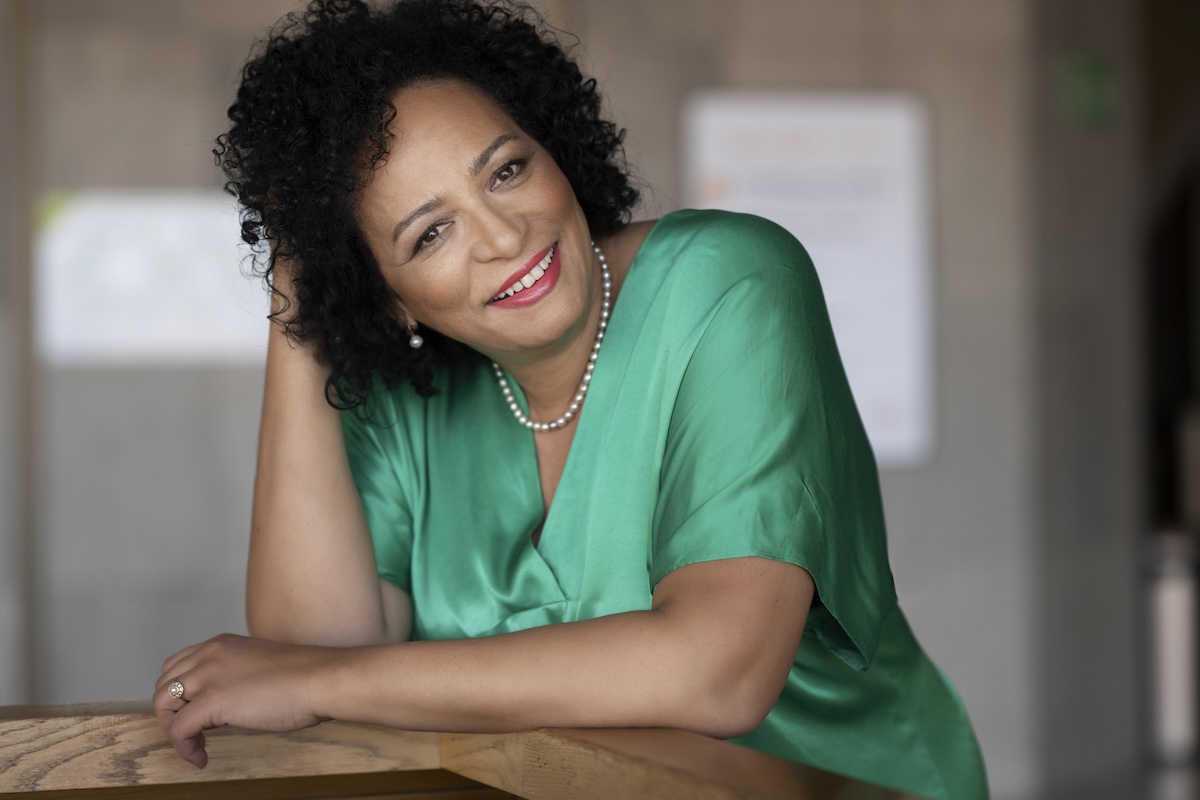
M&A Adviser | NEWTON Business Accelerator | Author, Third Career
Margareta Krizova is a business strategist, M&A adviser, and author who has spent over 30 years working across the full spectrum of business, from multinational corporate advisory to startup mentoring. Based near Prague in the Czech Republic, she co-founded CEAG, a boutique advisory firm, with two American partners in 1993, just four years after the Velvet Revolution. She rose to head the firm's mergers and acquisitions division, working on transactions involving companies such as Levi Strauss and Colgate-Palmolive entering the Central European market.
At 53, Margareta sold her equity stake and transitioned to independent practice. She now combines selective M&A advisory work with entrepreneurship mentoring, heading the NEWTON University Business Accelerator (now in its fifth year), and writing. Her second book, "Third Career" (published March 2026), explores how experienced professionals can build meaningful work after 50, whether through business, side hustles, or new pursuits. She previously appeared as an investor on Den D, the Czech version of Dragons' Den.
