
 Apple Podcasts
 Spotify
 PocketCasts
 Castro
 RSS Feed
 Johanna Rothman Independent Consulting: Principles That Outlast Every Trend

Successful independent consulting depends on understanding your expertise and choosing the right consulting role for each engagement. Johanna Rothman, independent consultant since 1994 and author of 21 books including Successful Independent Consulting, uses the Consulting Role Grid from Champion, Kiel and McLendon (1990) to draw a sharp distinction between consultants and contractors: hands-on experts who take no responsibility for client growth are really contractors, not consultants. For experienced professionals building independent practice, this episode maps the practical mechanics of moving from hands-on work to trusted advisor engagements, structuring project-based pricing, and using content marketing through speaking and writing to attract clients who value what you know. Johanna argues that the brand new thing is usually a tactic, not a principle, and that a consultant's real value lies in framing problems and converging on unique solutions, not in processing speed or information access.
Johanna Rothman has worked as an independent consultant since 1994 and written 21 books on management, consulting, and professional writing, including Successful Independent Consulting.
Johanna uses the Consulting Role Grid from Champion, Kiel and McLendon (1990) to draw a distinction that matters for every experienced professional: hands-on experts who take no responsibility for client growth are really contractors, not consultants.
She explains the nine consulting roles from reflective observer to trusted advisor, why retainer agreements serve both consultant and client better than hourly billing, and how continual planning replaces rigid annual plans.
The conversation includes her reader journey mapping technique for nonfiction books, adapted from Jeff Patton's user story mapping, and her approach to time-boxing daily work.
For experienced independent professionals, this episode maps the practical mechanics of building consulting practice around deep expertise.
Mentions and references:
Successful Independent Consulting by Johanna Rothman
Free Your Inner Nonfiction Writer by Johanna Rothman
Consulting Role Grid — Champion, Kiel & McLendon (1990)
Jeff Patton — user story mapping, adapted for reader journey mapping
Connect with Johanna: Website: jrothman.com | LinkedIn: Johanna Rothman
Wisepreneurs explores how independent professionals turn accumulated expertise into sustainable practice.
Connect with Nigel Rawlins
website https://wisepreneurs.com.au/
Linkedin https://www.linkedin.com/in/nigelrawlins/
Twitter https://twitter.com/wisepreneurs
Downloads
- Embodied Intelligence Self-Assessment
- Professional Reputation Audit
https://wisepreneurs.com.au/free-assessments/
Please support the podcast
https://www.buzzsprout.com/2311675/supporters/new
Stay one step ahead with The Wisepreneurs Insider newsletter
As a subscriber, you'll get:
- Sneak peeks at upcoming must-listen podcast episodes and guests
- Bonus wisdom straight from recent guest experts
- Marketing tips to attract your ideal clients
- Productivity hacks to streamline your independent business
- And more exclusive insights are delivered right to your inbox!
- Don't miss out on these invaluable resources
- Subscribe now and gain the edge you need to survive and thrive as a wisepreneur
Nigel Rawlins
My guest today is Johanna Rothman. Johanna has been an independent consultant since 1994 and has written 21 books, including Successful Independent Consulting. What makes Johanna a Wisepreneur is that she's not trying to be the brand new thing. Her decades of experience shine through in practical frameworks for consulting roles, why retainers beat hourly billing, and why principles outlast every management trend. This is the Wisepreneurs podcast. I'm Nigel Rawlins. Joanna, welcome to the Wisepreneurs Podcast. Can you tell me where you are or where you're from and something about yourself?
Johanna Rothman
I am in the Boston, Massachusetts area, where it is still very much winter, as opposed to where you are. You are ahead of me. You are in my tomorrow. Which I always, I always find that really wonderful when I speak with people in Australia and New Zealand.
Nigel Rawlins
Yes, it's Thursday here, so you're on Wednesday. So it's Thursday in the morning, your your afternoon. No, that's lovely. Okay. So Joanna, you started working for yourself in 1994. That's 30 years ago. Yes. And I had to say- Yeah that's probably about when I did, too. What started you off 30 years ago?
Johanna Rothman
So I was a little frustrated with my inability to change the organizations I was working for. I was a middle manager. I had all kinds of ideas for change. This is actually before the Agile movement, and I was already using a form of incremental delivery called staged delivery, which we, we would work for a little while and release something at the end of every month. So we always knew exactly where we were for a project or a program, and my, my managers really wanted to just plan an entire year of a project or a program, and then they wanted to plan an entire year of the portfolio. And I realize that many of our listeners might not even have been born in 1994, um, when, when we both started our consulting. But even then, the pace of change in, in, in the world was much faster than only yearly planning could be. Right? So if you only plan for a year, when, when were you going to adjust the plan? It, it did not make sense to me, and, um, I, I challenged many, many pieces of the organization. Uh, I, I challenged the need for performance management for humans because we all, we all adjust our performance based on our environments So, right, if you reward me in some way, I will work to get that reward. I'm not stupid. Neither are you, neither is anybody else. So I think it's really important to say what outcomes do we want? How do we achieve those outcomes instead of trying to micromanage every, every piece of what a person does? So I had many ideas about management and I was frustrated by my inability to, to make that really happen. And I was really frustrated when my, when my manager said, "Oh, you, it's fine Johanna," virtually patting me on the head. "Don't you worry your little head about any of this stuff." Well, I did. So I, I decided it was time for me to start my own business. And I have a very supportive spouse, so that was very lucky. Well, it does help.
Nigel Rawlins
Yeah. Yeah. That does help. Uh, 'cause I guess that's one of the issues is making that shift. Um, it's not always easy 'cause there's a whole lot of stuff that's gotta happen. But, um, one thing you, you mentioned there that I think's very important is in, in terms of planning and continuity and, and what's happening in the world and how much you can actually plan for. So let's talk a little bit about that. How much can you, you think you can plan for? 'Cause, you know, some people say, "Oh, you gotta make strategic plans. You gotta make business plans." How good is actually planning?
Johanna Rothman
So I am kind of a half a fan of the planning is it offers you insights, right? What did Eisenhower say? Um, well, somebody said, maybe it was Yogi Berra or somebody, um, "Every plan is fine until you get punched in the face." Um, right, there's, there's that one. And I believe Eisenhower said something like, The plan is nothing, but the planning is everything." Um, I actually think that we need much, much less planning than we currently do, and that, that will be my next book.
Nigel Rawlins
I, I think that's- I am already writing. Yeah. Yeah well, I think that's really, really important because one of my guests, is Margareta, Krisova. She's one of the Czech Republic people I speak to, who actually make up a lot of my guests. She talks about business plans, uh, as being useless, and she- Right was a mergers and acquisition person for many, many years, so, you know, a person of our vintage. Um, and just saying, you know, business plans, uh, are pretty useless. And, you know, strategic plans can be as well. One of my guests was Peter Compo, who worked for DuPont for about 25 years- Mm who when he retired wrote this amazing book about, The Emergent Process to- Strategy. You know, does not like the word strategy because it's a meaningless jargony word. So planning's important, but you also mentioned Agile. Yeah. And, and so you're talking about Agile 30 years ago. So were you working in software?
Johanna Rothman
Oh, yes. Yeah. Um, my background is as a software developer, then software tester, then software project... Well, I say software project and program manager, but all, all of the, I think all of the products I worked on until, until I started my business were all software and hardware, because that's what we had then, right? It wasn't really until '98 or '99 when we had software only. So yes, I was doing agile kinds of things with software hardware products, which often included firmware.
Nigel Rawlins
So we should mention what agile means to people, 'cause of- often they think, oh, that's something they do in, um, software development and all that. But it's something that you can apply to everything you do. So it's, it's popular, I think, and then it, then people start to realize, well, we can do that in our own consultancy or businesses at home. Mm-hmm. So talk a little about, uh, obviously you still, um, are involved with agile So tell us something a little bit about that
Johanna Rothman
So in 2000 or 2001, uh, a bunch of guys got together, all of them very technical, none of them managerial, um, in, in, in Snowbird in Utah, and came up with the Agile Manifesto for software development. It was all about how do we plan small so we can deliver something useful for the customer, get feedback on that from, from the customer or from any of the interim people, um, and also learn from it ourselves. One of the biggest problems in, in any kind of intellectual effort is to learn from what you did fast enough to apply it to the next bit of work you do. And that, that double loop learning about the product and about the process allows you to plan very little for now, execute on it, learn from that execution, and then say, "Oh, well, what do I wanna do next?" And I-- That is, that is how I use agility in my work.
Nigel Rawlins
Okay. So- You've written 21 books
Johanna Rothman
Yeah
Nigel Rawlins
which you would have to say that's a lot of work, 'cause most of us are even thinking about trying to write one book- so 21 books, and the, the main book we're going to talk about is The Successful Independent Consultant, but we can pull in some of the other books if you want. So how does, how did Agile help you write these books?
Johanna Rothman
Many Agile teams use a technique called, user story mapping or whatever Jeff Patton called it, right? Story Mapping, right, where you actually say, "Well, if the customer comes in over here, the customer has options one, two, or three. And if the customer comes in over there the customer has options four, five, and six." So you can create a product for, um, newbies, for intermediate level, and for experts, all depending on, on how they log in and the security, all that stuff. And the nice thing about that is you can, you can create increments of value for specific customers, right? So that's Jeff Patton's user story mapping. There's a way to, to modify that for, for creating a reader journey through a book, 'cause readers, readers need to, uh, well, for nonfiction. The, uh, it's a different problem for fiction. But a reader journey for a really excellent nonfiction book is what does the reader need to know? Well, what is the reader's problem? What do they need to learn in this chapter? And then how do you, how do you guide them through that learning and then wrap up at the end of the chapter, help them realize where they need to go next? And that I use a reader map for, for my nonfiction books.
Nigel Rawlins
So we'd call that a framework. But what's interesting about what you say, um, I used to have a mentor who was a former Hewlett-Packard marketing manager, and, um, he's passed away unfortunately. Um, I, I miss him a lot, five years now. But we had conversations all the time, and he talked about frameworks, and this is one of the things that, I, I don't even know what to call ourselves anymore 'cause you are my age and, you know- We're not the, the brand new thing as, as we talked about before we started this, but these concepts or these frameworks are deep, long-lasting. So everything he used to speak to me about or talk to me about 20 or 30 years ago, um, that they were still using in companies are still relevant today. But we probably don't use the terminology. So you have a framework there for writing the book, but I would say that your agile software and your, your, your software, um, knowledge from all those years has, has obviously developed. Yeah. So let's talk about how that influences how you become a, a successful independent consultant, because again, one of the things, you know, my audience is, is there's a good chance they're 50 or 60 years old, or maybe they're older, and like you, they still enjoy working and they still want to contribute. Let's talk about how what they know can help them become a consultant. Now, I do have your book, and thank you for sending me that. Um, so let's just start from the beginning. Where should you start thinking about doing that shift if you, if you're unhappy like you were and you feel, "Okay, I'm not being listened to. I do know stuff. I'm not comfortable anymore." How do they make that shift?
Johanna Rothman
For me, the very first thing is really understanding y- your expertise and how you can apply that expertise. So for example, I had significant expertise in management, project management, program management, and I decided to start there. And I, I sold my very first workshop as a project management workshop explaining to people how to use these initial ideas of agility before the Agile Manifesto came out, right? So everyone knew, um, a waterfall life cycle was really not working, and we were doing all this upfront planning, and it didn't really work. What, what else could we do? So I offered a w- a workshop with many alternatives, not saying that this is the one right way to do, uh, your project management, but saying, "If your managers are willing to consider these options, you can do this kind of thing in your project. If your managers are willing to consider these other options, you can do these things. If your team collaborates, you can do this other thing." And because I offered principles Not practices. That allowed my clients to say, "Oh, it's not really a Chinese menu where I choose one from column A and two from column B," because A implicates something for column B, right? If, uh, my choices at the beginning might well constrain my choices later on. But if I understand what my choices are and I clarify those choices to my clients, now they can find something that's really useful in the work that I do. So I chose that particular kind of expertise, and I chose the teaching stance, and then following it up often with the coaching stance. Sometimes I often... Well, sometimes I partner with people. I'm doing a lot of trusted advisor work, which is, often between counseling and coaching and partnering, where we, we, we might flow from all three different states. But it's all based on my expertise.
Nigel Rawlins
Now, that's interesting, 'cause you're talking about context and collaboration, very human things. Yeah. But you also talked about a range of, um, roles that you took. So, this is the thing about the right way, which I'm assuming we call tactical, that, I guess a mechanical worldview would say, you know, you do these steps. But the real world, which is not mechanical- Sure is what you're picking up. So let's talk a little bit about that. You, you've just mentioned a number of roles that you could take. So your first, for your fir- first gig, we could say- Yeah um, was a workshop. How did you attract the people to that workshop? And then I wanna talk about how your consultancy has evolved into explaining how you do all this stuff.
Johanna Rothman
I left my old job Labor Day, which is the first Monday in September in the US, and I gave several talks to several meetups, professional groups. And by, I believe I, um, my client was at my November talk, and I had an engagement for December. So- Wow I was... I mean, that's actually kind of fast. So, uh, I, I saw a specific need Right? That's really important. For all, all the people who are agile coaches and agile this and agile that, nobody wants what they're selling. I saw a specific need. People wanted what I was selling. So that made a huge, huge difference. And, and then speaking was, was really the way to do it.
Nigel Rawlins
You mentioned that you went out to some meetups. Now, one of the problems nowadays post-COVID is, you know, there's not a lot of physical meetups anymore, um, you know, to physically meet people. It's mostly online. So when you first started, you went to some meetups and- Right you, you had figured out what, what they needed to hear. Now, that was really interesting 'cause that is what we call marketing, isn't it? Is- connecting, connecting what they need. And they obviously did need that because they signed up for your workshop. Yeah. So- Yeah how did you know that's what they needed?
Johanna Rothman
So I, I will not say I was really good at writing, um, presentation descriptions back in the day. I have really learned how to write them better. And but I, I said, "What problems do people need to solve?" Right? What problems keep them up at night? Uh, w- what problems did my previous employer have, and what, what do I hear in all these meetups? And everything I heard at the meetup was, "We can't get our projects done. The project management is just so terrible. All they want is a Gantt chart." Well, that's not project management. Or, or, "The testers are never involved early enough," or, "We don't know what the requirements really are." Right? I mean, all, all the problems we see in s- in software product development now, we've seen them since, um, since time immemorial. So yeah.
Nigel Rawlins
Yeah. This is the human side anyway. But again- Yeah that little message is that you were able early on to see what the need was, to map it out, and we've still gotta do those things today even though we might sort of, I don't know, use different wording. And that's the point I'm trying to make to my particular audience, and I'm hearing from you, is that it doesn't matter your, your age. You know, we can be older like me, and we know this stuff. Um, as I said to you earlier, that the reason I don't do coaching is I don't think I've got the patience 'cause I'm hearing stuff and I'm going, "Hmm." You know, and that's, that's why I defer to coaches, say, "Look, you know, work with a coach, and they can work these things. When you know what you're doing, I will work with you and collaborate with you." So- Um, in terms of, you know, pragmatic management and continual planning- how do you plan nowadays?
Johanna Rothman
So I often have a list of books I want to write during a year, right? Um, I need, I really need to limit that list to three. I should limit it to two or one, but then every so often I have an opportunity to write another book. So let me give you this example. I just finished a Kickstarter for my effective public speaking book. I am delivering all the books, all the, all the audio, all the everything. I am almost done with everything. I really hope I'm done before the end of March. Uh, we're, we're recording this in March of 2026, for those of you who don't know. So I got asked to be in a story bundle for books about writing and freelancing and consulting. Um, great. However, the woman putting together the story bundle wanted an exclusive book. I don't wanna do that. I, I just finished the Kickstarter. I want, I want to publish this book, everywhere, as widely as possible, and start doing podcasts about it and, and speaking about it. So I don't wanna make this exclusive. But then I realized I, I also offered for almost a decade, um, a writing workshop, an interactive writing workshop with me offering feedback to the people in the workshop. I am no longer going to offer that because I don't, I don't wanna do that anymore, right? Our, our work evolves, just as you say, "No, I'm not so excited about that coaching stuff." I don't wanna do that for writers. I wanna do something else. So I, I published 28 or 30 writing secrets. I am now collecting that into a book. I expect to have that book done next week, if not earlier. I mean, I-- this is a collection with some editing because almost all writing needs some editing, even if you looked at it before you published it on your blog, Johanna, right? Even if I did that. So I will have another book this year that's not on my list of books I wanted to write. And if I, if I don't plan, if I don't force all that planning into a year, I have much more flexibility about what I can do and when I can do it. And that's why I much prefer continual planning as opposed to even planning for a month or a quarter or a year. I, I mean, I know how long... Well, I always say I know how long it takes me to write a book. I have no idea how long it takes me to write a book, because I will learn through the journey of experiencing what the reader needs to know and when. Right? I will-- I have blogged many, many pieces of, of this book. I will not be able to take them as is and use them for the book. But I, I can use the ideas behind them and then make a really great book out of them. So for me, the blogging was really helpful to learn what I think. The blogging of these secrets, these writing secrets, are allowing me to, to take advantage of making an exclusive book, and then I have another book this year.
Nigel Rawlins
Now, that's interesting about the continual planning, and out of the blue, a particular book comes out of it. Well, let's talk a little bit more about this continual planning, 'cause I'm assuming you may have some client work. Yeah. Then you've got your, um, business, and, and you're finding time to write that. So you're writing blogs. You've got a newsletter. Um- Yeah you've got two websites.
Johanna Rothman
Yeah.
Nigel Rawlins
So how does continual planning deal with that? And I'm, I'm just thinking about my yesterday. I'll, I'll explain my yesterday. I have some subcontractors 'cause I do a lot of website work, uh, still. I, I th- I think that's a thing nowadays, rather than people just, you know, pressing a button on AI and creating a website and all the writing. Um, we had a, a website. I needed to speed it up technically. I stuffed that up, so I had to get my my subcontractor to help me fix that. Um, I had to do all the technical SEO behind it. Um, I decided I wanted to rewrite five old or six old articles and get that onto my website. Now, I hadn't planned for that this week, but I thought I'd better get that done, and I had this podcast coming up. Um, I think if I was to plan anything, nothing would really get done Um, now I do have a problem because, uh, I am 70 and I have got other obligations, and I wanna get outside during the day. So how does this continual planning work for you?
Johanna Rothman
So I do a variety of time boxing. So I time box my writing, um, first thing in the morning. So, um, I don't know, I don't know if you even looked at my calendar 'cause I, I just, I, I took your calendar and figured out how that would work. But I, I block off from 9:00 to 10:00 for fiction and nonfiction writing, fiction primarily, and then from 10:00 to 11:00 I tend to This is all my morning. I tend to eat breakfast, um, do a little writing, um, listen to some videos and think about the state of the world, and then, and then I, I ha- I have to put that away 'cause if I focus on the state of the world, I will get nothing at all done. So I, I use, uh, time boxing and I, I almost always have one thing I want to do in a given day. Just one. I mean, I have, I have my fiction words I want to do. That's 250 words. That takes me 15 minutes. A, a blog post is going to be longer, mostly because I have a lot to say. Um, my newsletters are often longer, mostly because I have to find a good title for the newsletter and then good art. So, 'cause God forbid you do anything without art these days. Um, I, I have to admit, I much preferred it when I could just write a blog post and not worry about the art and not worry about a title analyzer. However, this, this is the world we live in. So my strategy, my principles have not changed. Decide one thing I want to do today, time box it so I can do it first thing in the morning. Um, since I'm- I'm writing a short story, I need to do in effect one and a half things. I get my fiction words done, I get my one other thing done, and then I, I figure out how to take the phone calls and, and the, and respond to the emails. Email has only gotten more and more and more. I mean, uh, I, I barely do anything with, uh, social media right now because first of all, it's a pain in the tush. And s- secondly, unless I have something to promote on social media, it's n- it's probably not worth my time to get invested in reading anything, because it's all about the world, and the world is bad. So I don't, I don't want that into my writing, into my life, into how I deal with what is important to me, right? So I suspect that you and I share a bunch of stuff that is important to us. How do we maintain our health? Because without our health, we are useful to, to nobody, including our clients. How do we maintain our social connections, which for me is primarily my family, secondarily my, my various kinds of friends across the world. And then third, how do I maintain a useful and, and usable business so I get value out of it and my clients get value out of it? And that's, um, that's why I'm doing a lot more trusted advisor, where I tend to flow from counselor to coach to partner and back again.
Nigel Rawlins
Now, that's the other interesting thing about being older that we can decide how our day is going to be planned. I, I prefer not to do any client work till the afternoon. My, my calendar is open because I have to keep it open for the podcast, so I generally don't put my tasks in. I, I have a whiteboard behind me, and I use Obsidian, and now I've got these great big lists of things I want to get through. But The benefit of working for yourself is that we can decide in the morning we're going to do that. Like my morning is I'll, I'll try and do some exercise, go for a walk. Then I'm trying to read because I've got this huge reading list I'm trying to get through, and I'm, I don't think I'm ever in my lifetime gonna finish that reading list. Th- this is, um, this is the scary part about being older is it, it's so exciting, and that- that's why we're still working at our age, and, and that's why people might, you know, in their 60s and 70s have still got something to offer, want to still do something. But that's that reading, and, and you mentioned you're, you're watching, um, I'm assuming YouTube or training videos just to keep up to date. Uh, but you also mentioned the different roles that you take on. So- Mm-hmm in terms of consulting roles, let's talk a little bit about that, um, because you realize which role you're taking at times, and I guess this, this applies to any consultant who's thinking about, um, their work and, and what they actually offer.
Johanna Rothman
In Successful Independent Consulting, I actually wrote about the nine roles. Um, that's from an article by, um, Kiel and McClendon and some other person. The real reference is in the book. But if you think about as a consultant, we are all responsible for the client's growth, um, that's the X-axis going up, and responsible for the client's results. That's the Y-axis going across. And the least valuable work from a consultant's standpoint is either being a reflective observer, because that just says, "I'll watch what you do. I'll tell you what I see." And then there's the technical advisor, which is we can, I can answer your questions as we go along. And then there's the hands-on expert, where you, you have a lot of responsibility for the client's results, but very little responsibility for the client's growth. And when I, when I speak to a lot of consulting network people, right, they, I would actually call them contractors because they are hands-on people. They are not responsible for the client's growth at all. They are an extra pair of hands. That is, in my experience, the least the least rewarding place for a consultant to be. And, and it's almost always time and materials, which is, uh, uh, almost a useless way to really think about, um, consulting. I suspect that you often work on retainer as opposed to time and materials, right? That totally makes sense. A retainer agreement means you get paid for not, not specifically your time, but for the, the wisdom and the strategy and the tactics you have all learned to build the principles of what makes your work successful. And that's, that hands-on expert place, um, for too many consultants is a terrible place to be. Uh, I did, I did do that for I think several months as I was building my consulting business. But even then, I structured those engagements. I was a hands-on manager who then replaced myself within six weeks. And, and that was partially strategic and partially tactical. So I was already moving from the hands-on expert to the facilitator, to the counselor or the coach. And that made a huge, huge difference in my business.
Nigel Rawlins
I think you made a very good point there talking about hours and materials. Um, I think about five years ago I moved to, um, retainers, and I won't work with anyone unless there's a retainer, and it has to be long-term because we know nothing changes within a, a week. I mean, you can do some quick wins, you know- Yeah and, and that's been pushed around, get some quick wins. But for example, with one, one medical s- website, a, a specialist website I've been working with, it, it's taken nearly two years to break through Google and stuff like that. I mean, you can spend a lot of money on advertising, but if you want to do it through content marketing, which we'll talk about, um- Yeah it takes a number of years to build up that momentum. Um, so it does take time. So anyone who comes to you and says, "Oh, I'll just..." Well, you can, you can do a contractor job, and I hire contractors all the time. You know, fix that thing that I just stuffed up, uh- Yeah which sometimes I do. Uh, it happened last night, and, you know, I was panicking and, but... And, and that's the benefit. You can pay somebody to take, to take that off your head, out of your mind, 'cause that's a stress. So yeah, retainers I think are really important. So that's the other thing, too, is, and I'll be honest, I've s- I've still got clients after 15 years, and one consulting client's been eight years on a retainer with me. So, but- That's great some of the- Yeah well, one of the problems is that the, the, some of those retainers are basic retainers from many years ago, and I'll, I'll, I'll be honest- Oh I haven't put my rates up for them 'cause I haven't got the heart- Yeah 'cause I don't do a lot. I don't have to do a lot, uh, 'cause it's, it's a lot easier when you're experienced. You know, it takes you maybe two minutes. Um, whereas, uh, any subcontractor who works for me who takes two minutes, I say, "You've gotta charge me a minimum charge, not an hourly rate." Right. See, that's the issue about the hourly rate, isn't it? 'Cause if somebody's working on an hourly rate and they take 15 minutes and their hourly rate's 50 or $100 an hour- Right they'll charge you $15, and I just yell at them 'cause I, and I've mentioned it before on the podcast, I have this fabulous girl who does, um, fabulous artwork. She is so efficient. She charged me $2.50 one time.
Johanna Rothman
Oh, that's just wrong. That's wrong. Yeah. Right.
Nigel Rawlins
Well, I've told her, "You do not charge me under, $10 US." And the same with One of my web developers, I said, "Okay, even it takes you two minutes, minimum charge of $10 US." You know? Right. And, and, and then I try and lump all the work together so it gets about 50 or $60 US worth of work, which is- Right you know, quite good. And that, you know, w- we can't afford in, in our advanced countries to be working like that as, as a subcontractor because y- you're never gonna make enough money to make a living, which is the whole idea of shifting to independent work. Okay, so we've talked about the consulting roles, so that's really important. So we've gone through actually a few things. We, we talked about the idea of marketing, what, what's the problem that you can solve and, and, and work with. Um, the idea of planning, and again, from, from our viewpoint from an older age, um, we still really enjoy stuff, but we wanna have a lifestyle and we wanna look after- Yeah ourselves, but we've also got stuff that we like to do, uh, plus the client work, the different roles we play. Um, so what, what do you call congruent consulting?
Johanna Rothman
So that's where everybody can win, right? Um, that's kind of the shorthand for making sure that we think about what is our context? Well, maybe what is the context for everyone involved than ourselves, as the consultant, and the other is the client. And the more congruent we are with ourselves and the context and the client, the more we all win. As soon as somebody starts to take advantage of somebody else, we don't all win. And that, I think that that is the death knell for a lot, uh, of consulting relationships that just go wrong. Because how can you possibly make it work if you're somehow taking advantage of somebody else? I mean, I, I don't wanna work like that, and I don't want anyone to take advantage of me. This is, this is one of the reasons I went to a project-focused, way to propose work early, early on, right? So my workshops were all projects. The coaching is all time-limited or a project. The hands-on management, that was a project. Everything for me is a project, and that way I could say, "What, what is the value to the client? What is the value to me? And how do I create, uh, an engagement that really, really works?"
Nigel Rawlins
Now, that's really important. So what we're talking about there is you're going into a, a situation I would assume that over the years, and this is the thing again, you know, I keep raving on about being older, is we've seen a lot of patterns in our life, okay? And we've absorbed them into our brains, and this is where the cognition comes into it. We recognize things when we walk into a situation. And then you're looking at that situation that you're walking into and looking at it as a project. And from a marketing point of view, we also want them to benefit from it.
Johanna Rothman
Yeah.
Nigel Rawlins
But, and the very important word you said there is see it as a project. But when do you walk away?
Johanna Rothman
So I have several times when I can walk away. If the client says, oh no, you can do it for much less money. I say, so what do you want me to remove from the proposal for much less money? First, what does much less money mean to you? Maybe I don't understand the problems you are seeing. And sometimes this happens, right? I thought they were over here to my right and said they're really over here to my left. So I did not do the discovery call right or I didn't propose right. I mean, people make mistakes, right? I can make mistakes also. So I think there's that. But sometimes what I hear is I just don't have the money for that right now. And I say, okay, it's not that important to you. So instead of me changing my proposal, you let me know when it is important to you because you will find the money then. I don't want to work on anything where it's not important to the client. Why would I do that? That's wasting my time and theirs. So I only work on stuff that's important to the client. And that works out really well.
Nigel Rawlins
Now that's, again, a very important point, is unfortunately if you're desperate as a consultant for the work- Yeah you might take it on, but the danger to your reputation is it's never gonna work, as you know. They'll never take you seriously or... And, and that's the danger of doing this on an hourly rate, is- Right they might never get back to you, they might never start, and it'll just drive you mad. So, uh, and that's one of the problems, I guess, is of going out for yourself un- unless you've got that deep expertise and you, you've got the network that'll give you the work. All right, let's just shift on to the bit about how you get that engagement or somebody calls you. Now, you talk about content marketing and, and, and speaking. You know, it's 2026, LinkedIn is full of announcements, and I'm just as bad- Sorry and social media.
Johanna Rothman
Yeah.
Nigel Rawlins
How do you build up that reputation? And, you know, should you start building it up before you actually leave and go consulting? What, what do you mean by content marketing?
Johanna Rothman
So I mean everything where you write, speak, and somehow offer value that is expertise-based to potential clients. I do that mostly with speaking and writing. This is speaking, right? Being on a podcast is speaking. Um, I really love to give talks, and the fact that, uh, many, many of these meetups are now virtual, um, some of them are no longer running, but, uh, I can, if I am willing, I could probably speak, oh, twice or three times a month. Oh, Yeah, I'm, I'm too tired for that now. But I have done that in the past. During, in fact, during the pandemic, uh, I actually, I think I gave 26 or 30 talks that year, right, in, in 2020 and 2021 each. I, I was a very active speaker at that time. I also had three books to promote, so that worked out really well for me. Um, but I, I really enjoy the speaking because not only do I like the challenge of how do I package my ideas for possible clients, not, not all the people, right? But how do I use my speaking ability to attract people, and then how do I use my writing ability to attract people? But how do I help other people realize they probably have something like this problem too, and that they will then remember me as the person who first opened their eyes to this problem
Nigel Rawlins
Isn't that great? But the problem again is with AI now churning out, people are seeing a lot of rubbish. Now, I must admit, I use AI all day every day, um, but I interact with it all day every day. It helps me figure out stuff. It helps me, um, look at my ideas and rewrite them. It does a lot for me. It doesn't do the output, um, because I- as you said, you've gotta continuously edit. But I, I don't let AI write anything for me. I feed it the notes I've taken, the ideas I want to work with, and, and then I have to continuously read and then come back to it and from the other reading. That's why I read so much. Um, and, and that's probably why I'm exhausted all the time because it explodes in your head. So- Yeah the content marketing, we are competing with a stack of other things, and this is where I guess some young people, uh, um, you know, can use the technology in different ways and belt stuff out on social media. You're right. You know, if you are beginning at this, starting into content marketing, you've gotta start somewhere, and then you've gotta spread the word. And, you know, social media, do you go on X? Do you go on, um, Facebook, uh, Instagram? Some people are on everything, and I mean, you know- Yeah if you're, if you're a highly successful consultant, maybe you can, um, pay for somebody to do a lot of that. I'm seeing somebody I did interview, way back, putting stuff onto one of the social medias that's stuff that's probably not relevant anymore. It seems like it's just um, automated feed. And- that's not working, I don't think, and that's the biggest danger is there's stuff out there. How does your stuff actually stand out through all that noise?
Johanna Rothman
So I'm often a contrarian, and contrarians have an advantage over other people because we are not like the crowd. And I, so I use Grammarly to check my writing, but I almost never take all of, all of its suggestions. When I'm really going and, and writing fast and, and hot, I write short sentences that are punchy, that tell you what I really think. Ma, ma, ma. Right? Mm. That's, that's how I write, and I, I like that. That's not what Grammarly likes. I sometimes use, uh, the chatbots for understanding what else I should read, but I rarely use them for what I should write. So I probably use, um, the LLMs a little differently than you do. However, I use transcription all the time, right? Why would I not do that? That is one of the very best uses of AI as far as I'm concerned, that ability to actually understand what, what somebody says out of their mouth and turn it into written words. So the principles I use are write something interesting, um, get it out to, to as many people as I can reasonably get out to without trying to be everywhere all the time. I do not automate my social media. I'm not on TikTok. I mean, there are plenty of places I'm not. However, I am on Mastodon, Blue Sky, LinkedIn, and Facebook. And if that's not enough, that's just too bad. I, I am not on Substack. I'm not on, on when- whatever X is these days, um, because I have personal beliefs about who I want to support as a platform and who I do not. So, um, I'm thinking of starting a Patreon. I'm not so sure. I mean, how many places do I really want to be? Not that many. I am already on four social media, right? I do not need any more. That's totally fine. Well, also my YouTube channel. Yeah, I mean, how much more? Not
Nigel Rawlins
more. Yeah, I know. It, it can be overwhelming because otherwise where are we gonna get a life? Now, obviously, if you're 20 years old, you're single, um, you're happy to eat noodles or something like that- Yeah not have to spend time cooking or be in relationships and all that, maybe you can work 18 hours a day. But n- we don't wanna do that. One of the things we talked about earlier was we don't wanna be that brand-new thing. Tell us what you mean by that.
Johanna Rothman
So I often find that that brand-new thing is a tactic, not a strategy or a principle. And principles are long-lived. Um, they are, they are things that we know because we are human. So, um, for example, multitasking does not work. It has not worked since we first tried it. It does not work now. I don't see how human brains can multitask. Now, computers can. That's, that's the whole point of multi-threaded applications. But I am not a computer. My value is not in how fast I think, although sometimes for my consulting that is. Um, but my value is in how I frame the problem and explain it to my client, and then how, how we converge on, on solutions together. That is my value as a consultant. How much, how much technology do I need for that? Well, it depends on the, on the various po- possible solutions. But most of the time, I need my humanity. And every single time somebody says to me, "Oh, well, ChatGPT can tell everybody what your books say," I, I say, "Yes, Chat has, um, absolutely stolen all of my books, and yes, so has Claude. That's fine. Um, you can look there and you can get the information. You won't get my value that adds to that information." So if you say to me, "I feel really stuck as a middle manager. I feel the pull of being back in a, in a team doing technical work. I feel the pull of, of trying to do strategy without access to the senior leadership team. How can you, Johanna Rothman, help me?" I can help you. That's where I excel, because that is not a, um, a peanut butter and jelly sandwich, right? Where all you need is to change the bread and you have a slightly different sandwich. No, this is a classic problem in management and requires different kinds of solution, solutions, because while it's classic, every single person has to have their own unique solution. So if you're a consultant, that's why I say to start with your expertise. What kind of expertise do you have? How, how can you connect that expertise to your humanness? That allows you to use all of the tools at your disposal, uh, which is what we want.
Nigel Rawlins
And that is so accurate. You, you're talking about principles. Information is everywhere. ChatGPT can give you lots of information, but without the wisdom to turn that into knowledge that can be useful in the context of where you're working is what's Um, what I call crystallized intelligence brings, and that's where I think the older consultant is more valuable now. Um, and one of the things I worry about is, and I don't think I'm worried, I don't think we need to be worried about, is the younger generations are not getting those opportunities to do the work that you have done in the past- Yeah or a lot of consultants who are now maybe 60 or 70 years old. The opportunities they had to work on lots of different projects with lots of different people, and to pick up all of these things if, if, if they have learned anything hopefully, um, that, that, that wisdom they bring to it. You know, it is not the latest technology or the latest fad. Th- those things will come and go, but the depth of knowledge that you bring is what's so important. Um, now the last thing is, um, I don't know what the last thing is. I think we've probably covered everything, haven't we?
Johanna Rothman
We have. Let me talk for just one minute- Yes about critical thinking skills, because tools and technology always change, right? That's what you said. And, um, when I wrote the hiring book, I said to managers, "Stop, stop trying to get people with the right tools and technology experience. Instead, think about how fast they can learn, especially how fast they can learn as part of a team." Right? Um, teamwork matters even more now than it did even five or 10 years ago. Um, and I don't know what your experience was like with teamwork when you first started to work, but I, I had zero successful teamwork experience until I started to work. So that was, that was an eye-opening thing. I, I thought I was getting into computers 'cause I was not really a people person, and yeah, surprised me. The depth of my experience as a human has had the most value for me as a consultant, as, as in everything. So, um, but critical thinking skills are all about how we think about how we connect with other humans. Do we need to draw a picture? Do we need to explain things in writing? Do we need to have an in-depth conversation with feedback and what one of my managers used to call receipt for comprehension? Um, do I understand you? Do you understand me? How do we, how do we find where our, our brains can do that mind meld and then go on from there? And, uh, I actually have an appendix or two in, in Successful Independent Consulting because these critical thinking skills are so, so important, and I, I do not see a lot of Younger consultants, um, really work to build them. And, and if we don't know how to ask questions well, and if we don't know how to, how to show people what the, what the issues are, I'm not sure we can get to that meeting of the minds and build a really great relationship with our clients.
Nigel Rawlins
And that's the whole point of Wisepreneurs, that that's what- Right we bring to it. We, we bring that depth of understanding and knowledge and experience that we've had over the years, and that's what my concern was, that the younger ones are not gonna get that experience because ChatGPT or whatever is going to replace a lot of those repetitive things. So where are they gonna get the experience that you've got now? The critical thinking skills I think's really important. We need to keep coming back to that. It, it's, it's known as mindware, that we've got- Yeah these things in our head that tells us, "Oh, that's not right," or, "This is not right," that we've got some s- well, a framework for thinking through things. So tell me, somebody who's thinking of starting, or even if they are working as a consultant, what books of yours do you suggest that they look at?
Johanna Rothman
So certainly Successful Independent Consulting, because that has literally everything I know. Um, the Effective Public Speaking book, which should be out soon-ish, um, after we record this, that will help people think about how to, how to hone their ideas into presentations. And, um, Free Your Inner Nonfiction Writer is, is how I recommend everyone start with short, shorter pieces. I think of them as blog post articles. Think 300 to 1,000 words. Right. Something where you can get your ideas across and yet not, not have to write a book. And, and then the Writing Secrets book, which will be out this year also, uh, that has a lot of ideas. But those, those four books are all about content marketing and how to learn what our ideas are, and then how to get those ideas across to other people.
Nigel Rawlins
And the secret of all that is the fact is you have to do it, and you have to do it over a period of time. It's not gonna happen tomorrow. It's gonna take... It could take two or three years for that. So the, the point is, you do have to start at some point. It's no good just saying, "I'm a consultant today," unless you've got a fabulous network that's gonna hire you. A
Johanna Rothman
really, really good network.
Nigel Rawlins
Yeah, yeah. Um, so Johanna, thank you for being my guest. Where would you like people to find you?
Johanna Rothman
So, well, and thank you. So everything is at jrothman.com. That was back when your first initial and your last name was fine for, uh, a domain name. Uh, so everything is there, uh, which points to my Creating an Adaptable Life blog, and all of my books, and my newsletters, and all that good stuff. Everything is there on jrothman.com. That's
Nigel Rawlins
fantastic. So, Johanna, thank you very much for being my guest.
Johanna Rothman
And thank you so much for asking me. This was really, really fun.
Expertise in managing product development. I help teams and leaders increase their effectiveness | Author
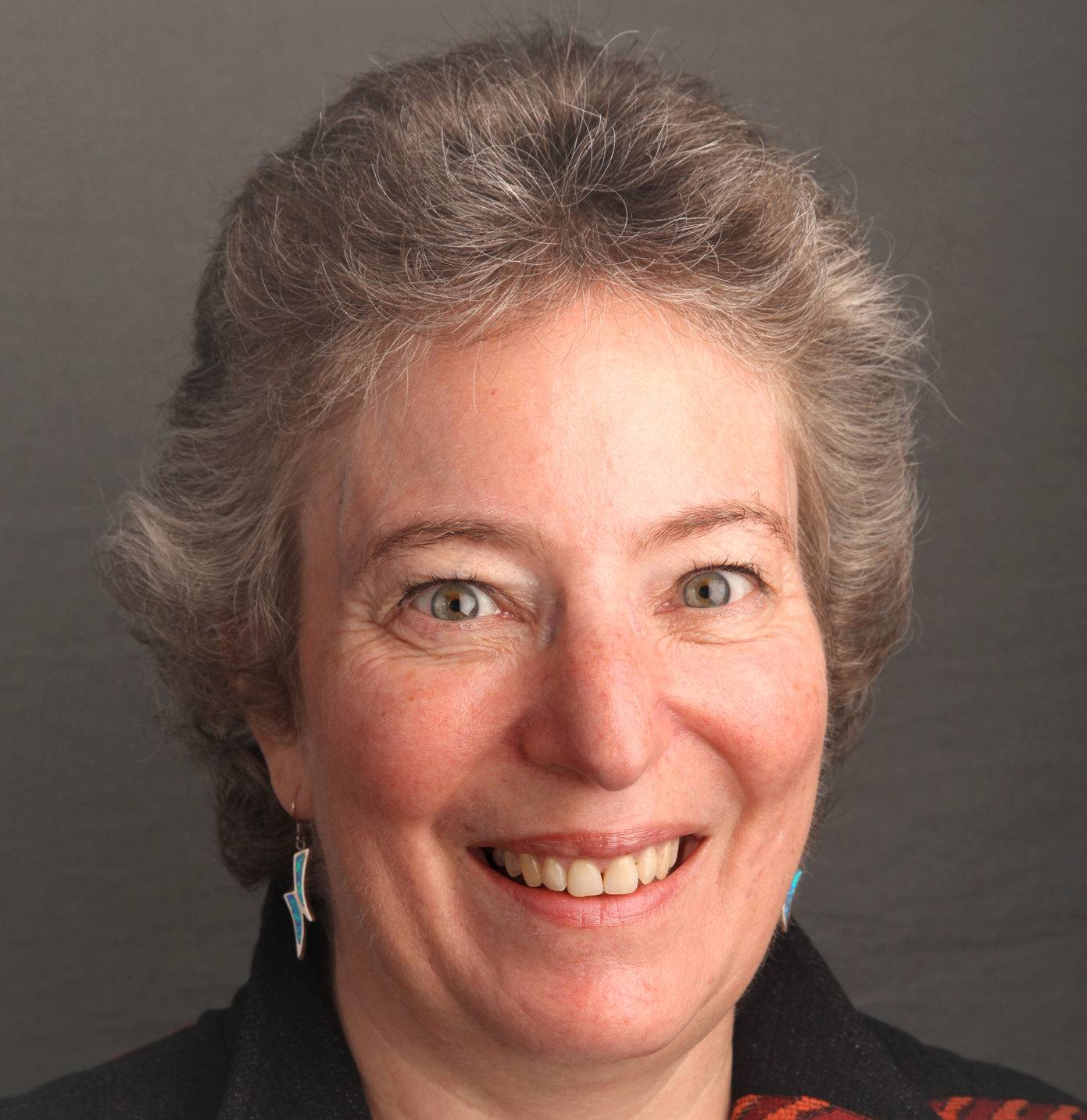
Johanna Rothman has been an independent consultant since 1994, building a practice around her expertise in management, project management, programme management, and software product development. A prolific writer, she writes daily, across multiple projects and consulting engagements. She is the author of 21 books, including Successful Independent Consulting, Free Your Inner Nonfiction Writer, and the newest: Effective Public Speaking.
Before starting her consulting business, Johanna worked as a software developer, tester, and middle manager. She left her last position because she saw better ways to run projects using incremental delivery methods, but could not persuade her organisation to change. That frustration became the foundation of a 30-year independent practice.
Johanna's consulting work flows across multiple roles, from teaching and coaching to trusted advisor engagements. She uses the Consulting Role Grid from Champion, Kiel and McLendon (1990) to help clients and consultants understand the difference between hands-on contractor work and genuine consulting that serves both results and client growth. She writes two blogs: Managing Product Development on jrothman.com and a personal blog at Creating an Adaptable Life, createadaptablelife.com. She is also active on Mastodon, Blue Sky, LinkedIn, Facebook, and YouTube.
