
 Apple Podcasts

 Spotify

 PocketCasts

 Castro

 RSS Feed
Jane Hudson Professional Reinvention: Broadway Musician Builds Independent L&D Practice

Jane Hudson turned a career in Australian Broadway productions into expertise in learning and development, building an independent L&D practice from regional Victoria that specialises in regulatory training.
She shares how the discipline and communication skills from a performing arts career translated into corporate training work, and what prompted her move from organisational employment to running her own practice. She discusses how she sees the L&D field evolving, what self-employment looks like for an L&D specialist without a large consultancy behind them, and the practical realities of finding and keeping clients when you are both the talent and the sales department.
Wisepreneurs explores how experienced independent professionals position accumulated expertise and build sustainable practice.
Jane Hudson turned a career in Australian Broadway productions into expertise in learning and development, building an independent L&D practice from regional Victoria specialising in regulatory training.
Jane shares how the discipline and communication skills from a performing arts career translated into corporate training work, and what prompted her move from organisational employment to running her own practice.
She discusses how she sees the L&D field evolving, what self-employment looks like for an L&D specialist without a large consultancy behind them, and the practical realities of finding clients and delivering training independently.
This first appearance on Wisepreneurs captures the early stage of Jane's independent journey, before she returns 50 episodes later to share what building the practice actually taught her.
Wisepreneurs explores how women over 50 monetize expertise and build sustainable solopreneur practice.
You can find Jane's website here https://www.jbasslearning.com.au/
Linkedin https://www.linkedin.com/in/jane-hudson/
Twitter https://twitter.com/jbasslearning
Connect with Nigel Rawlins
website https://wisepreneurs.com.au/
Linkedin https://www.linkedin.com/in/nigelrawlins/
Twitter https://twitter.com/wisepreneurs
Downloads
- Embodied Intelligence Self-Assessment
- Professional Reputation Audit
https://wisepreneurs.com.au/free-assessments/
Please support the podcast
https://www.buzzsprout.com/2311675/supporters/new
Stay one step ahead with The Wisepreneurs Insider newsletter
As a subscriber, you'll get:
- Sneak peeks at upcoming must-listen podcast episodes and guests
- Bonus wisdom straight from recent guest experts
- Marketing tips to attract your ideal clients
- Productivity hacks to streamline your independent business
- And more exclusive insights are delivered right to your inbox!
- Don't miss out on these invaluable resources
- Subscribe now and gain the edge you need to survive and thrive as a wisepreneur
00] hindsight, it was actually the kindest thing he could have done for the child. Yeah.
Nigel Rawlins: I hate to say it, for a lot of women, what you're talking about might resonate with them because it's happened to them too, and they've had to go forward with their lives and they do a wonderful job. And I think obviously where you are today, you've done a wonderful job because you've got a happy grown-up son now, too. Jane Hudson: My number one son, no parent is perfect. So I think you just do the best that you can with what you've got and try and make things work. So the big driver, so I changed careers and the driver was Will, and it was also the realization, it might sound silly, that I could keep working in music theater six nights a week, but there are no daycare centers that run at night.. So the dilemma was where do you put this child To do that kind of work. And of course, Frank had gone as well, so I went well, it's time to make a change. so I signed up for the Sole Supporting [00:10:00] Parents Pension and I went to the local, what was then Skillshare? So there's a program that the government used to run called Skillshare and job club. This was in the early nineties when we had a really bad recession here in Victoria and very high long-term unemployment. So that program was part of the government strategy to help people get back into the workforce. So I went there and learnt how to use a computer, and then stuck myhand up for some volunteering so I thought i'd better get some experience. And then from there applied for a job with them as a job club leader, which I got, and they trained me how to that, do that initial, what was it? Train the trainer course and then, and from there I ended up becoming the what was my, I ended up being, the CEO of that community organization. and then they lost their funding so they closed and I just kept following opportunities and worked in learning and development because not just because it's what I know apart from playing [00:11:00] music, but through working in the job, club I had seen firsthand the impact that learning can have on people's lives. It's the technical stuff. It's like, how do you apply for jobs? How do you write a resume? But much more importantly, it was all of the self-development and the attitude because long term unemployment is it's a beast and it's a heartbreaker and people lose their confidence and their self-esteem and don't even know where to start anymore. I've worked with particularly middle-aged men and I am picking that demographic quite deliberately because the impact on them was really devastating because for a lot of men, their identity is wrapped up around their work. So I've worked with people, I worked with people who have been out of work for 12 months and not yet told their wives. Everyday they'd get up and put a suit on and go and sit in the park somewhere. Because they couldn't bring themselves to admit, or I had [00:12:00] one person who by the time he came to the job club to, to get some help he'd used up all his savings, the electricity had been cut off. The gas had been cut off the phone had been cut off. He was just absolutely threadbare. So the learning thing for me is the technical combined with the self, how do you learn the human skills? How do you learn about yourself? How to be kind to yourself, how to communicate more effectively, how to just travel better in, in your life? Yeah. So what an interesting journey. So music gigging, early, in early days, did you, what were some of the musicals that you were engaged with? My very first show was a show called Little Shop of Horrors, which is about a man eating plant. And then what else? Pirates of Penzance with the Victorian State Opera, Guys and Dolls, back in the day with Nancy Hays and [00:13:00] Ricky May, Jerry's Girls, which is where where I met Frank, and I actually found some footage on YouTube the other day was just weirded me out. So a compilation of Jerry Herman's most famous songs. What else? Went on to do Big River. Big River was really special. So Cameron Daddo, Jon English, oh my God! Sugar Babies. Yeah. And the rest escapes me and I should know because I was there at the time, but that's Theater Royal, Her Majesty's Theater, let's go on tour I did one little show, it was a cabaret, it was gorgeous. It was a classic, we rehearsed there were three in the band. They shipped us up to Brisbane for the opening night. And at the end of the opening night, they tell us the show is closing and they ship us all back home There's no guarantees in that world.
Nigel Rawlins: But what an interesting start. So you were working with the jobless and then you've obviously moved on to some other jobs. So how has this L and D or learning and [00:14:00] development grown through the other work that you've done? You want to talk about some of those or some of the experiences that you've had? Jane Hudson: Sure. So L & D or Learning and development is an interesting profession. Most people that you talk to will say that they train into a kind of backdoor or sideways. and that was the same for me. So I did that jobless program. And then to be really honest, number one son was in grade four and in a fit of absolute inspiration, I, with him and with family input. We all agreed the best school for Will was a private school. Lots of reasons, no judgment, public private doesn't matter. For me. It's about matching the school with the child. What's going to give them the best chance? And signed up to a fairly hefty financial commitment. So I started desperately searching for a better paying job. And a job came up with WorkSafe Victoria, which was almost a mirror of what I was doing on a [00:15:00] project with Telstra. So I applied and I got it. And that's also where I learned the importance of regulation and how learning and development plays such a pivotal role in regulators becoming more effective in the communities that they work. So I moved into WorkSafe I was there for gosh, nine years, which is really quite a long time
Nigel Rawlins: WorkSafe to our listeners, would you like to explain what WorkSafe actually does? All right. Jane Hudson: So WorkSafe Victoria like many is a health and safety regulator. So they are the ones that run the insurance side of health, and safety compensation. They also the people who take preventative action. So they send the inspectors out to inspect workplaces. Are they complying with the law? Is it a safe and healthy workplace? They also unfortunately are the ones who need to go and investigate serious incidents in the workplace and fatalities which is pretty confronting. And so when we bring an [00:16:00] inspector in to train them the general rule, if they didn't have a policing background, the general approach was no one did fatalities for the first two years, because you need to build them up to be able to have the skill base and also have done a bit of work around their emotional resilience of how do you conduct yourself in that situation?
Nigel Rawlins: Yeah. And your job was to help train them? And my job was in the training unit and we'd run induction programs for new inspectors, ongoing professional development. When I first started there, my job was to roll out a Diploma in Government Workplace Inspections. So national qualification for the entire Worksafe Inspector workforce and that's a big project. So that was like three years because big workforce, plus it had to be designed and we had to make it fit an operational schedule. So yeah, so we did all the training within the regulator to help the inspectors, the investigators [00:17:00] team leaders, managers be as effective as they can in the work they do. Wow. So again, building on the experience that you started with the skillshare, so you obviously had some other jobs over the years, any in particular that stand out that you want to mention? Jane Hudson: Oh wow. So I have worked with three different regulators in emergency services organization, I realized that I'm regulator at heart, which sounds pretty geeky, but I've thought about that. Regulation is not sexy, but regulation is actually what helps make a society function and remain civil because it's about protecting people. So at Worksafe, you're protecting people in the workplace, you are giving, you're creating an environment or you're meant to be creating an environment. where they think they go home at the end of their days work and they go home intact, so they have [00:18:00] all of their limbs, their fingers. so you protecting people from work. Then I went to Environment Protection Authority and their role is to protect the environment. That's expanded now to include health, but my day it was just the environment. And again, it's about protecting the environment from the impact of industry. So when I, for people who don't come from Melbourne, it's my city. There was a time when you could not swim in the Yarra River. It was so polluted, air pollution was a real problem. So it's about cleaning the environment for nature and for the, just for the sake of that's, what we should do for the environment. But it's also about protecting people from toxic spills, from gas explosions in landfills, from air pollution. So again, there's a protection element and I think people forget that, often with regulation there's a lot of talk about, yeah, reducing red tape. We should get rid of regulation and let business do what it wants. [00:19:00] And Trump has done that in America, and I don't think it's serving them very well because what regulation does is it creates an authorizing environment for industry and business to operate because it helps to build trust with the community, that this industry is behaving within certain boundaries and will not cause them great harm. So I went through the regulation rave because I can do that for hours. Okay. Each one has been different, but I stayed in that space because I like the fact that we were doing work that actually that made a difference. And work that was bigger than just the individual and not just focused on profit, no disrespect to the corporate world.
Nigel Rawlins: No, that's wonderful. So tell me about learning and development. Then what, I mean in the old days, it used to be just called training. you had trainers and you put together a program, but it sounds like it's a lot more involved in learning development. So if somebody's hearing [00:20:00] this and they're interested in getting into learning and development, what are some of the things they should know? Jane Hudson:That all training should lead to learning, but not all learning is training. Training has a place it's generally thought I was being quite task-focused. You need to know Nigel, you need to know how to change a tyre on the car. I will train you how to do that. Do this, you do that. You do the next thing. Learning is bigger than that, and it's more so it's about how do we make sense of the world? How do we interpret what's happening around us? How do we exercise judgment and discretion, make decisions, solve wicked problems? That's not stuff that can be trained. It's a deeper level of learning and I don't even know how I can articulate it.
Nigel Rawlins: Sounds pretty good to me. So it's really solving the problem of how you actually do your job, maybe more productively and at least, have some standards to apply. So you just don't go out there doing anything. You've got some sort [00:21:00] of framework for doing your job. So it does take a lot of work to create learning and development programs? What's involved? So somebody contacts you... Jane Hudson: The starting point with the learning and development- intervention- solution- program is to really understand what is the problem that is happening? So often managers will come and there's an issue that they've identified. And they go, I need you to build me a training program for this, which is a great place to start, but we need to look at well, is the problem that you're seeing the real problem, or is it a symptom of a bigger problem? So for example, if all your staff are doing their work in completely different ways, and there's no consistency, that might not be so much to do with them, although we can educate them to how you want it done, but it's more what processes your organization give them, what guidance? Have you told them this is how I want everybody to do it.? Or have you said, good luck, see you at the end of the day, [00:22:00] and everybody has individually gone on a mad scramble to do the best they can in however they think it needs to be done. So the first thing is we need to work out what the problem is. And then my role is to go, okay, understanding the problem and understanding this particular workplace and how it operates and what the constraints are. So I worked at the Commission for Gambling and Liquor Regulation. One of the constraints was the entire inspector workforce were on a 24 hour roster. So timing, how do you fit this in? How do you make it sit in their world? So it's relevant to them and accessible? So we go through a design process. It might be a combination of we're going to have some e-learnings with some face-to-face workshops. We're going to maybe set a workplace project or something along those lines, and then it needs to be written. So we need to actually collect content or [00:23:00] create it, workout graphics, videos, quotes, guest speakers. How does that all come together, look at the timing. How long have we got? Because you never have, as long as you want. Prioritizing. So there might be a working with subject matter experts. You need to be quite diplomaticly firm. So subject matter experts would go, oh, they need to know this and something else. Oh my God. And then it's this. And it's great. We've got to come back to the core purpose and what do they actually need to know versus what would you like them to? So you've manage that sort of crystallizing it down to, this is the essence. This is what we need to give them. This is how they really do it. This is the shift in behavior we're looking to achieve. This is how you measure that shift in behavior at different times. It's an interesting world, L and D cause you're in a helicopter the whole time. So by that, you going up to [00:24:00] survey the overall purpose, the context the how do we approach this? Who's in the zoo? And then you come down to the absolute nuts and bolts of does that full stop belong here? Is this grammatically correct? Are these images formatted appropriately? So it's the full the full range and it does take time. So it worries me when I see ads come up they're saying, Hey, here's this new e-learning design tool and you can generate a course in four hours.
Nigel Rawlins: So tell us, how long does it actually take to say, do a days training program on a particular subject area? Jane Hudson:There's lots of rules of thumb around that. It's generally as a general guide for every hour of training or every hour training or learning that you want to deliver. You need to allow anything from between 28 to 45 hours of development time.
Nigel Rawlins: All right. So let's go [00:25:00] through that again for every hour of training you need about 40 up to 45 possible hours, and I'm assuming research and all sorts of stuff is involved there and design and editing. Jane Hudson:Yes. Yes. So it is, it does take time.
Nigel Rawlins: And the interesting thing is there at the moment out there, a lot of people working from home, putting together courses, they're trying to teach people and seriously, some of those courses run for several hours. You're saying that they need hundreds of hours. Plus, if you have a look at your experience from many years over the years of all you've learned, you're bringing that too. So that's quite incredible. So anybody who just thinks yeah, I'll just do a course on how to do digital learning or something like that. Here we go. Jane Hudson: Yes, it is also relative, it's relative to: what is the purpose of the course? So if it's a general information course, you may be able to do [00:26:00] it in less time, but you also need to think about the experience you're going to give the learner. So for example, you not, you personally, if we are just going to make a PowerPoint, do a recording and then upload that and say, that's my course, maybe that's really not a core skill. That's an information session. That's a knowledge sharing, but you need to have learning outcomes or objectives. You need to have something at the end that allows people to see that, have you learned something? Or did I just speak with you for four hours? And you went, oh yeah, yeah whatever. So it is fiddly and time consuming. I'm working on a course at the moment and it's a diploma level course. There's six modules. Each module has eight topics. and I'm only one of a team, I can spend three days just editing [00:27:00] the work, the documents, the content. So that one module equates as about 60,000 words.
Nigel Rawlins: I'd say the person who's working at home wanting to put together a course, doesn't realize they have to do that research. So you're getting the research and then you're working on that research to put into that. So yeah, see out there, I can sign up for there's all these online learning places so I can sign up for course. Some of those courses are disgusting, you might only pay $10. Jane Hudson: That's the challenge. I think I think it's great if people have knowledge and expertise they want to share, then I think go for it. Maybe go and learn a bit about how you can put a course together. So you understand a little bit about adult learning and about setting some learning outcomes and packaging it up so it is a course. The risk is there's so many platforms and it's great that there's all this out there. It also means there's a lot of rubbish out there, and that's unfortunate because it may be that people do a course in good faith.[00:28:00] And not realize that maybe what they're learning is not quite right.
Nigel Rawlins: I guess the danger, if we're busy today and you sign up for course, and it's a disappointment. You've been involved in putting together courses on how to learn and how to put programs together. Can you talk a little bit about that? What was involved there? Jane Hudson: Okay. The best way talk about it is for some years I was the facilitator. AITD, The Australian Institute of Training and Development running their one day instructional design course. So in a nutshell to do it I think people need to understand some basic learning principles. Just how does the brain work? How do people learn? They need to know how to analyze the situation which I've discussed. I don't even know if I can articulate it in it. It's in the doing, it's one of those wierd ones. You can read and study about it, but it's actually in the doing that you learn how to do it. So what we did in this course, we tried to make it very practical and [00:29:00] almost like project based. So yeah, we'd say to the participants who'd booked in to come either with something that they're currently working on or that they, are thinking they want to do so you can use that as a platform to go, let's start at the beginning, ladies and gentlemen let's start with how to, how do adults learn and then what, why are you doing this? And whatever way you design your course, ultimately your job is to facilitate learning. If people learn what you set out for them to learn, then that's a good day's.
Nigel Rawlins: Yeah. So again, more experience that's taken you to this point. let's just change a little bit and talk about, you're now working for yourself. what's involved in that as on the business side of working for yourself, rather than doing, which is the work that you sell. Tell me about the business side of working for yourself? Jane Hudson: Okay. I can only reflect on the journey that I took. I think getting yourself a business coach is a really good idea. Because it's a whole different skillset. [00:30:00] Even like for me, like I might know I do learning and development, but until I started decided I really wanted to make it my, I wanted to become self-employed. So I started doing this as a side-gig to my full-time job, and I got myself a business coach and I also just tried to learn as much as I could. It is a different skillset. So marketing, I have, I now understand what marketing is. I never knew what that was. How do I structure the business? I stumbled along with my kind of way. Because you have commitments. So now you have legal obligations in terms of you know, tax, your obligations in terms of running the business. Do you want to be a sole trader? Are you better to be a company? All those things that as an employee, they're not your concern. You know, I don't have to worry or even know about that
Nigel Rawlins: Exactly. That's the point about self-employment it is a business and you may have a skill that you've just been describing that you've grown over the years, that's made you rather unique in your industry, but yeah, the [00:31:00] business side of it, and that's what people have got to hear. So marketing you're talking about accounts? Yes. How do you juggle all that? You've also got to do the work. You've got to, get the work. Jane Hudson: I think juggle is the word. And now I understand when I used to hear business people, especially sole traders and a small outfits like me, there's this constant tension between working on the business and in the business. So in the business is the work that you've got clients asking you to do. Yeah, I'm designing this program. I'm launching this course, whatever. On the business is the marketing. How do you a presence on social media? Because social media is huge and it's a great marketing channel if you know how to use it. And it's time-consuming. So if you want to write a blog of a week, I realized, and I'd write for a living. My engine for writing my own stuff is quite low, but to generate a blog a [00:32:00] week, that's a couple of days work every week. Yeah, to get a long form blog. So then you got to start to think like about outsourcing and how do you manage that? And can you afford it? And, and then suddenly every quarter rolls around and your accountant is sending you a reminder saying you got to submit your Business Activity Statement, I'll get that done. So it's juggling. And then it's systems, putting systems in place as you go to help you get more streamlined.
Nigel Rawlins: So do you find that you've got control over your time or do you have busy times and then you get some control. How does the the amount of work you get work in with your life? Do you get some time to yourself? Jane Hudson: Okay. That's a great question. I intend to. But in all fairness that the other way I look at it is I, I wanted this. I'm [00:33:00] not workshy. Have I got the balance, right? No. Will I? Eventually. Would I go back to becoming an employee again? Not in a million years. It served its purpose. And I was very happy when I did it but no. So then it comes down to confidence, confidence in an impermanent world, which is what you are, when you run your own business, sorry. If work doesn't come, it's okay. Something will come. You will not starve. You will not lose the house. You will not end up on the streets. And then it's about what kind of work you want to take on and where's your price point? So one of the things, and I'm doing a job now, which I, yeah, technically I probably should not have taken on, but I wanted to .So not all gigs will pay the same and not all will be fantastic payers, but if you're doing interesting work with interesting people [00:34:00] and remaining self-employed and paying the bills. That's not too bad.
Nigel Rawlins: No. Sounds good to me. So how long do you expect to be doing this? are you looking at retirement at some stage or do you think you can keep working until some-when? When are you going to quit? Jane Hudson: I don't think, I don't think I'm built to retire I might dial it down a bit. as time moves on, but to be honest, when you said, sorry, how long would you do this for? The only thing I could think of, which might be inappropriate, and you can cut cut this out if you want; feet first, mate!? Yeah. Because what else are you going to do? And if you can craft a lifestyle where you can bring it down, so it is more a part time work and you're getting the interesting work you like and you built some space to do other things. I dunno. I look at people like, Sir John Gielgud, the actor, the English actor, [00:35:00] who the story going around that even at the age of 91, he was ringing his agent berating him, for not getting John enough work.
Nigel Rawlins: Yes. And there you go. We can do this until we can't do it anymore. And I think that's a really good answer that whilst you're enjoying the work, maybe in your eighties, you might say I can't concentrate for long hours, but I can work for this much because I've got other things and you may find that there's all other commitments you've got as we get older. I remember when my parents retired, I had to make an appointment to see them, they were so busy. So yeah, I think that's a great answer. Is there anything else that we haven't covered that you'd like to say? Jane Hudson: No. I think the only thing, because this is around like the move into self employment, as much as anything else, time, it takes time. A wise man once said to me, allow a few years for this. [00:36:00] And it's really very true. And so it goes back to that old, you know, in the rock and roll industry and in the performing arts industry, people joke about. Oh yeah. It took 10 years to become an overnight sensation. So it is about having a plan and understanding these things will take time. And I'm happy. I started as a side gig and I was working even more. But if the work is taking you the direction you want to go in that. yeah.
Nigel Rawlins: That's a great answer. Okay. What sort of work are you seeking? I think there's two key areas: one is the straight out learning and design. So if people work for organizations and they have an idea for a course or identified a need and they need some help in that area in terms of designing it and creating it, so it really works. And that's what I'm doing most of my time on. Jane Hudson: But the other thing that I really want to do more of, I was doing a few years ago, and I [00:37:00] want to come back to it is really helping people on their journey. So coaching, facilitating, helping people to understand themselves, their drivers, why they behave the way they do. So that they have a better opportunity to create more positive workplace relationships. Because I think at the end of the day, most of us spend an awful lot of time at work and we don't go to work to have a crap time. So how do we exercise our agency to improve ourselves and to also manage the impact on other people? So that sort of coaching, facilitating self-development space is the other area that I'm really have a keen passion for.. Excellent. Okay. So you have a website jbasslearning.com.au and the bass double bass, the J, because that's the letter of my first name and the learning, because that's my thing.
Nigel Rawlins: Yeah. Now [00:38:00] we'll put this in the show notes. So if people didn't get it, they'll be there. They can find you on LinkedIn. Jane Hudson:Yes,
Nigel Rawlins: Jane Hudson on LinkedIn and I think you're on Twitter as well. Jane Hudson:Yeah. They're the best two social media platforms for Jane.
Nigel Rawlins: So that's where you'll find Jane. Jane, this has been a wonderful conversation, so thank you very much for telling us everything. And I'm hoping people get some inspiration for this, not just about self-employment, but learning and development as well. Thank you. Jane Hudson:Thanks so much.
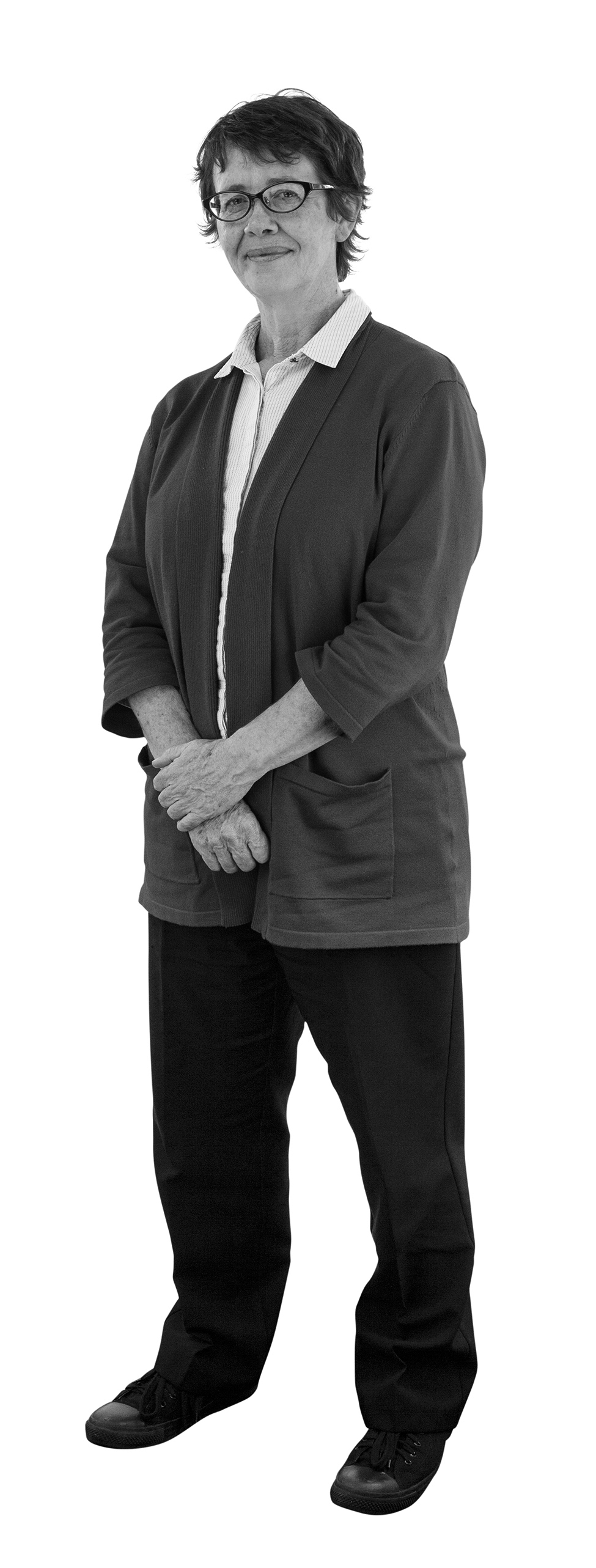
Founder JBass Learning, Helping people work, learn and perform better together.
Jane is an experienced learning designer and professional development consultant with thirty years of experience working with local, national, and international organisations across the public, private, and not-for-profit sectors, helping them establish, revive, re-tune, and embed exceptional capability and culture.
This includes twenty years in regulatory learning and development, working with government regulatory agencies to build their capability, culture, and leadership.
Jane’s experience includes:
• Provide strategic learning and development advice
• designing, developing, and delivering customised, practical, experiential learning programs (accredited and non-accredited)
• creating/curating learning materials and resources
• writing/editing learning content
• conducting training needs analysis and learning design reviews
• conducting behavioural aptitude assessments
• facilitating workshops and conferences.
Jane Hudson is a learning and development specialist with over twenty-five years of experience designing and delivering practical learning solutions that build capability, improve performance and drive positive growth.