
 Apple Podcasts

 Spotify

 PocketCasts

 Castro

 RSS Feed
Meredith Fuller on careers, work and self employment

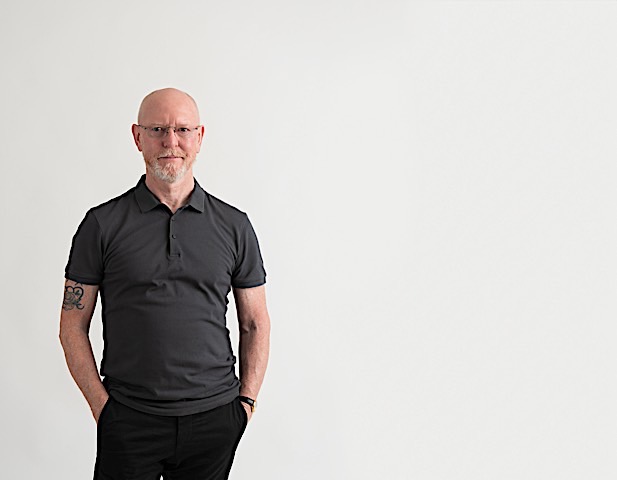
Meredith Fuller, psychologist, author, playwright and career counsellor with over 30 years of experience, joins Nigel for the fourth episode of Wisepreneurs to talk about work in light of COVID, careers, and why you might explore self-employment or choose to stay where you are.
The conversation covers how a global disruption reshapes what people want from work, the difference between a career crisis and a career transition, and what self-employment actually looks like for experienced professionals considering the leap. Meredith draws on decades of counselling people through vocational decisions to offer a grounded, practical view of what changes when you work for yourself — and what does not.
Wisepreneurs explores how experienced independent professionals position accumulated expertise and build sustainable practice.
In this 4th Wisepreneurs Podcast episode, I talk with Meredith Fuller, psychologist, author, playwright and career counsellor with over 30 years of experience. We talk about work in light of COVID, careers, and why you might like to explore self-employment or stay where you are.
You can learn more about Meredith at https://meredithfuller.com.au/
Connect with Nigel Rawlins
website https://wisepreneurs.com.au/
Linkedin https://www.linkedin.com/in/nigelrawlins/
Twitter https://twitter.com/wisepreneurs
Downloads
- Embodied Intelligence Self-Assessment
- Professional Reputation Audit
https://wisepreneurs.com.au/free-assessments/
Please support the podcast
https://www.buzzsprout.com/2311675/supporters/new
Stay one step ahead with The Wisepreneurs Insider newsletter
As a subscriber, you'll get:
- Sneak peeks at upcoming must-listen podcast episodes and guests
- Bonus wisdom straight from recent guest experts
- Marketing tips to attract your ideal clients
- Productivity hacks to streamline your independent business
- And more exclusive insights are delivered right to your inbox!
- Don't miss out on these invaluable resources
- Subscribe now and gain the edge you need to survive and thrive as a wisepreneur
10] This year? I've done a lot of work with organizations who have moved to working from home with their Employees and doing some group zooms to monitor them and care for their mental and emotional health while they traverse that shift. And also a lot of work on family trees looking at our families of origin and looking at patterns and connecting that to things like personalities. Love. Meaning of life, things like that. So it's been quite a range of activity, but also a lot of opportunity to actually observe what's happening in society. Cause we've all had that opportunity for reflection.
Nigel Rawlins: [00:02:01] So what are the things that you're finding in your discussions or your zoom discussions with people who have to work at home, what's happening there?
Meredith Fuller: [00:02:10] Interestingly enough, a fear that if you allowed people to work from home, they would be less productive. They wouldn't produce this much work. They cheat you somehow, but the reverse is true. In fact, the problem is people working from home don't know when to stop. Don't feel that they've done enough and they're working excessive hours and at a high pace and they're needing to learn a different way of monitoring, how much they output and how they enable themselves to have a proper work-life balance.
Nigel Rawlins: [00:02:55] Yeah. That's an interesting one because you know, you think when you're at work, well, one you're going to travel to work, so that's time. So you leave the house, you've traveled to work. You get to work, you'll do some work. Then you might have your breaks. Uh, you may have your meetings and things like that. Whereas if you're working from home, none of that's happening, but you've got other distractions at home too. I mean, are you finding that, um, people at home are coping with family life, especially when say if they had children and they couldn't go to school because of COVID. how did that affect the people you were talking to?
Meredith Fuller: [00:03:29] Space is very important. If you have a small space with a lot of activity, because there are a number of people trying to coexist in that space, it's more problematic. If you have a lot of space, it's been fine for people. Some people have decided that they'd set themselves up in their garage, for example, is where they work so that they can sequester off. And then it's not a problem. Other people find that it also depends on your methods of communication and how well-mannered and respectful each person is of each other. will impact on how that functions So again, I think it's quite idiosyncratic how that works.
Nigel Rawlins: [00:04:13] I had an interesting conversation with a lady the other day who has to work from home. I've had a conversation with a few people actually, but this particular one worked in drug and alcohol rehabilitation and it was her job to ring up people and talk to them. And she said to me, after she spoken to some people and it could be for a few hours. Where does she get to talk to her colleagues anymore when she's working from home and she's finding that really, really difficult. [00:04:40] So I guess it depends on the sort of work they're doing any thoughts on that?
Meredith Fuller: [00:04:43] Well, it's not only the work, but what your personality structure is like some people, they do have a need to debrief and process. So there's that social aspect that's really important in how they cool down. From what they've done and how they make sense of their process for other people, there are other techniques they use and it's not as important. [00:05:06] It also depends on again, what you do with your space Some people will understand that they have a need to debrief and that's why in some professions it's part of your modus operandi so say, for example, for psychologists, we all have regular supervision. We should do our own therapy or counseling. And whether that's group collegial or with a person who's been in the profession longer, it's something that we've always done. [00:05:42] So it wouldn't occur to us not to debrief. Some people find that they understand why a debrief is important and factored that in in Gee,I know I've got a busy three days. So I'll book in two hours with a colleague, we work in different places, but we understand each other. We'll go for a nice long walk and we'll talk about our cases and that's in the diary and therefore in the diary I'll do it Other people find they're working from home, they realize their head's full they do need to talk to people that turn around and say, well, there's no one here. I'll talk to the dog. I'll just get on with it. That don't actually. care for their need, so it becomes a great sadness. Other people realize that there's other ways of managing. [00:06:30] So they might do some reading or journal work or reflecting or get on, do some zoom, connecting with other people. So it depends very much again, on how hungry are you for a thing and then what's your behavior in terms of how you get that need met and whether you are stuck. or fluid about what you do. So again, I'll come back to this thing about know yourself the more, you know, yourself and what you need, the more you can set up what you need. [00:07:00] And it's a little bit like the problem being. Now with a lot of people, if they're sick and they need to take medication,they take their medication, they start to feel well. So they think I don't need my medication stop taking it. Then they get sick
Nigel Rawlins: [00:07:13] So they go out of routine,so I guess what I'm, I'm thinking about it with, um, the nature of work now that people can work from home. And it sounds like a lot of this is going to continue and maybe companies will change. In Melbourne CBD is fairly empty. Whether people go back to an office or not, or travel back into the city to work, there seems to be a shift where people are saying, well, I don't need to work in a job somewhere. I can do my work from home. [00:07:45] What, what, in terms of career and the point I'm, I guess I'm trying to make here is if you're unhappy with your job, but you like the idea of working from home, what happens to your career?
Meredith Fuller: [00:07:57] I guess you have to say, what is a career? What's your purpose? What's your career? What's work. What's your sense of self and how do you derive your sense of self? [00:08:08] It's a good starting place when it comes to who you are. And then around that, it's almost like you can spin your web about, well, what does that mean for the work you do or the people you do it, with we saw how you behave and how you act and how you function. And if you don't really understand that question, I think it's much harder to grasp the notion of what's the importance of, of what you contribute. So that would be my starting point.
Nigel Rawlins: [00:08:38] So the issue there is, if you have something you feel strongly about that you'd like to contribute to help your society and your job's not giving you that satisfaction, what do you do?
Meredith Fuller: [00:08:49] If for example, you know, it's about love, you know, it's about relationship and you will seek and live with the relationship connection that's meaningful. And it really isn't the case of, Oh, it's the job It's more about the relationship that I have with myself with a significant other. With others community, friends, family work, whatever. It's not so important. What the career is. It's more about the nature of how you're expressing the love. [00:09:28] So. That really drives your behavior in a different way to say someone who is more concerned with my moral duty, that I'm here to make sure that the laws are followed and there's control over the chaos. And you know, if my world doesn't make sense, that's terrible. I've got, I've got to make sure that I shape and form the rules of society. [00:09:55] So if I'm looking for some job. That will enable me to do that. Then I'll have to do that. For example, you'll find people who say, look, I hate my job because it doesn't help the climate. I hate my job because the values are wrong. It's criminal activity and it's illegal. So I can't keep doing it because it will destroy me. That would be different, meaning for why you'd have to flee to something that you very strongly align to in terms of the world. So I think it's very much about the game, the type of person, how you answer that, because for, for quite a significant number of people, it's not really about the career or the job, it's more about how you live your life and what you need for that. [00:10:49] For some people it's with the freedom it's, I've got to move. I have, I have to have an agency over my own body and that sense of getting out and about when and how, I wish so it would kill me. to go back to an office because I feel trapped, you know, I'm chained to a desk all, I can't just get up and wander when I feel like it and commune with nature. [00:11:19] So for them it probably doesn't matter what they're doing it. So as long as I can move. Hmm. So I guess it's and probably with the last one too, it's like, um, okay. I got stuck in a job and there's no stretch. There's no opportunity for me to understand principles. There's no opportunity for me to argue the toss with people I'm doing mind numbing work that is meaningless. [00:11:48] And therefore for me, most of my time, I have to turn my brain off and therefore that's the thing that will push me to say, I can't do this anymore. And that is a very interesting point because one of the things that we're noticing I believe is that a lot of the work in the past 30, 40 years, isn't really very intellectual. [00:12:12] It's pretty repetitive. It's pretty silly. It's pretty boring, pretty useless. And we've all been seduced by job titles. And yet when you analyze what are people doing, it's like, well, I'll do a bit of work. And the rest of the time, I'm entertaining myself on my social media. I don't know. I'm not using my mind to invent new things It's like I'm not real. I'm not really exercising my thinking power. And so you can see why quite a number of people are saying I hate my job. It's boring. You know, I've got all these qualifications and need all these qualifications to do the job, but I'm really not being extended every day. My mind isn't being stretched. [00:12:59] It's so calcifying And so for those people, it's I can't keep going I want this because I'm like the walking dead. So you need to really understand what drives you the most. To understand how you respond to that notion. Yes. For some people I say look you know what? The work or that career um, doesn't manage me, it's it's about me living a true life,for me living a life that makes sense to me with my greatest needs being met. So gee, I'm happy to let go of my status. I'm happy to go and do something where I'll be inept or primitive because I don't care. Whereas for some other people it's so dependent on how they're perceived externally. Do you know what? I'm bored. I hate my job, but the needs I get from having a job title is much greater than the need I have to really like what I do. So you really need to understand what are your triggers in order to deal with that, not think that some people who were bored and don't like their work very much have to change because for some people, they say do you know what? I don't mind being bored for so many hours a day. If that means I can eat and fund a particular interest or passion, I have. Uh, it doesn't bother them. It just depends on the individual.
Nigel Rawlins: [00:14:28] I think that's the secret of it in a way is to like, I guess understand if you've got a feeling inside, that's telling you something or your intuition intuition's bubbling up, something is wrong. It would indicate to you that you need to explore what's going on there. And the other interesting thing there too, is the idea of a job. You know, I see a job is something you just do for money. It might be a temp job. It might be a part-time job, or it might be a full-time job. There's a career. where you've got some sort of progression and a many years ago I was a teacher and I progressed through that and then didn't like it when I got there and quit. And then there's callings something that, you know, you love, but that calling might only be part-time. You might be able to do a few things, but that whole idea of the portfolio career. I guess one of the issues is if you're feeling that inside and you're starting to explore that. And it's COVID and you're worried about getting another job or you're worried about your future. What do you do? Do you just put up with it or would you start shifting?
Meredith Fuller: [00:15:26] Well, first of all understand what your, what your great need is and if your great need is to be part of a social community and to have relationship with a group of people, you might say the extra work is really dreary and dull. The content is dull. But the process of being with a group of people and we can all laugh and giggle and connect with each other and, and be kind of agent provocateurs, that's more important. So I don't want to give that up and I could go out and do some other thing that, you know, that was really my thing, but I would miss that collegiality. [00:16:07] So I don't mind doing something a bit mind numbing. Because there's a secondary gain I get so do you know what? I'll just put up with it because being part of that social community and having the honor of contributing to the social norms is far more important. So, you know, what I'll put up with it. [00:16:28] Other people might say, how many hours a day do you need satisfaction versus just doing what you have to do to survive? So for some people they might say well look, do you know what? I want to be fully engaged and stretched every single day. Well, it's kind of not realistic. No, we actually need to ebb and flow. [00:16:49] Sometimes we understand that the greatest ideas can come when you're in a state of reverie relaxed alertness, that if you were being pushed and stretched every minute of every day, that becomes draining and stressful and tiring and exhausting and you shut down and you're not having a great idea. So you realize, Oh, hang on, I need to do some of this boring stuff. To give me the peaks and troughs. Other people might say, I'm really having an existential crisis. It's not really about calling career or work. It's the fact that my age, my decade, and what I need to express and do is really significant to me. And I need to explore what that is. [00:17:28] And it transcends the idea of jobs,work, whatever other people might say. Do you know what? My need for sensory comfort is very high I'm very aesthetic I like nice food. I like to have nice things to wear and I like a nice house And I want to have a sense of luxury. Well, I understand If I give up doing something, I'm not very fussed about I have to give up a whole lot of things that are important to me. [00:17:59] And you know what? I don't want to go and live in the wilds of Tasmania and live in the middle of nowhere in a hut even though that might sound very appealing, I don't want to let go of certain things. Do You know what? I'll justwait and put up with it. Other people might say calling and meaning in my soul is so important to me. I'm not prepared to tolerate something that, inauthentic where I don't fit. I don't belong. I can't stay here because it's, it's killing me. I must pursue what I'm here on the planet for. I've got to find my purpose. I've got to live a life that has great meaning, and they're the people who can say I can't do this anymore. [00:18:50] I have to go and explore and I'm prepared to give away my status when I'm called on prepared to downsize, I'm prepared to learn other skills, which means I can live far more cheaply it just depends. I think very much on again this sense of what what's critical. Connected to what your circumstances are. Some of us have responsibilities for children, and it's not just about me and how I feel about my work. [00:19:23] It's also the fact that I have brought life into this world, and I'm actually responsible for keeping that being alive with food. And so I have to monitor that or I've made a pact with a partner and that partner is very ill and it isn't the right time for me to go off and find myself and risk study and do things. [00:19:46] I've got a responsibility. So I might need to wait. And I guess the question is about waiting. How long can you delay gratification for, and again, that can be factor of what's your age? And what's your time? I mean, obviously if I'm 60 and I have a great, greatneed to let go of things that I hate and I need to do something important for me. [00:20:12] And I realize, well, I can't be waiting 20 years before I start that I'll be dead. It's more urgent. Whereas someone who's say 22 might say, you know, what? If I go a lot the clappers for a few years doing something I'm not very fussed about. And prepare myself for a shift in my thirties or forties. I can fit everything in. [00:20:35] So I think it's not only your internal self, it's what your other responsibilities are. And it's also, you delayed gratification quotient. And the other thing too is impatience.. Some people are really wanting to do something else, but they're so impatient. I don't want to study. I don't want to apprentice myself to a wise soul and learn more., I don't want to let go of being competent and, being respected. [00:21:02] So I'm a being neophyte. I want to suddenly shift from what I'm currently doing to some other job or career where I'm competent, I'm respected I'm valued I earn money, or I do what I think is important and I'm not prepared to wait years for that to happen, so no, forget it. I'll just whinge. It's all those factors. And I think what happens is people like to think there's a formula and you say, Oh, well you do ABCDE but it's so dependent on an individual. [00:21:36] And that's what we're finding with the question, COVID, you asked about, well, what's, what's been like this year, for some people have, absolutely flourished and for other, people have hated it. Some people are prepared to say, I can let go, I can surrender and I'm prepared to try other things and find what sits well. Or it's all too hard. It's just easier for me to make myself spend a number of hours a day doing something that's pretty tedious because I just don't have the interest in what I'd have to do to shift that. And so be it. So it's always this thing about how much you understand yourself. And if you can't reflect on who you are, I think it's very difficult to really examine this idea of do I change my work? Do I let go? Or start something else? How do I work out what I'll be?
Nigel Rawlins: [00:22:32] So in a sense, what you're saying is. If you're feeling that things aren't quite right with your work it's, it's worth exploring yourself and finding out more about that. Well, what about the person who is 60 and says, look, it's time to do something. What are some of the steps they can take to find out what they can do. [00:22:52] And I'm thinking about maybe working from home, working for themselves, self-employment getting into the gig economy, doing gigs. You could say, I mean, one of our, one of the people we know quite well is doing that quite well, but she's in a fairly good financial position to be able to do that. So what are some of the things maybe the 60 year old who says this job is killing me? I've got to get out. What practical steps do you think they could do now? Or a couple of things they could start doing they've probably explored themselves. They know they can't keep doing that. What do they have to do? Or what do they have to, what do they need to make that shift, say the gig economy or working for themselves and just getting out of that job.
Meredith Fuller: [00:23:37] First question is, can you work for yourself? Can you generate material for yourself? Can you get out of bed and create your day? Can you have the initiative to learn what you don't know, to do some boring bits of starting things up to have a different lifestyle in terms of when you get paid, how much money you earn, everything. [00:24:07] And the truth is not everyone's suited to working for themselves and not everyone's suited to working from home, but the people who are,usually have these little traits in common: they usually didn't like school. So primary and secondary school was absolutely boring for them or tedious or frustrating or stressful or torture. [00:24:31] So the self-employed work from home, create their own thing, never really found, primary and secondary school amazing it was dreadful for them. And yet, if you talk to maybe 70% of the population, gee, they were the best years of their lives. And they really needed that structure around them. And sense of how things would unfold each day because without the structure they'd fall into chaos. So I'll always ask people if you're thinking of, will, I work from home? Do I want to create my own work? Could I be self-employed? Could I be entrepreneurial? Could I juggle several jobs? Could I find something I could do that someone wants to pay me for? [00:25:19] Go back and think about your primary and secondary school experiences. That's fundamental. The second one, is ask about your health. I'm 60, I am asking myself, can I work from home? Can I do my own thing? What is the level of my health? Am I well enough to manage X number of years doing ABCDE? Or do I find, my goodness, if someone isn't paying me for sickness when I have to go to hospital, you know, holidays, I'm not going to make it. I'm not very robust. [00:25:55] Gee. I've only got a couple of hours a day where I can function. I can really just cruise along with other people handing me work and telling me what to do when I'm sort of a bit low key, but gee, if I had to actually be responsible for myself, I haven't got the chops for that. So you haveto understand about your health and your robustness. [00:26:15] So yourrigor, your vitality, that's another factor. Another factor is how interested you are. Now you don't have to be passionate, but you've got to be interested enough to stick at it. What's your stickability. So a lot of people say, Oh, I'd love to do what you all do. You all work for yourselves, Oh wouldn't that be great! [00:26:38] I'd love that. And then when you explain what it means, they go, Oh Yuck. I don't want to do that. Oh, you mean I have got to get up and go and buy all the stationary, if I run out of a pencil, or, Oh, I've got to do my own banking. Oh, I've got to do all my admin. Oh, I've got a go and find work and prostrate myself at the feet of others who would ordain to pay me or not. [00:27:06] Oh No, I just, no, that's too much. I don't want to do that.I just want to be a great thinker who just, people, just sit at my feet and pay me for ideas, but I don't want to go and find them. And I don't want to keep updating my ideas. So I'll give you an example of what I mean by that Nigel, if we can look at you, you're a person who reads voraciously. [00:27:31] You are always at the cutting edge of thought, but that's got a cost. You spend a lot of time scanning, scouring, pushing self. Being so widely and broadly read, talking to lots of people. You actively pursue your curiosity. Now, if you didn't do that, how could people say, you know, you can do all the things you can do seriously. [00:27:58] You wouldn't have the chops. So you have to look at your behavior, because your behavior is often, evidence of your future behavior, you know, when people talk about job interviews and Oh, they hate those behavioral interviews where they're always asking about: but what have you done? What have you achieved? [00:28:15] How did you do it? Past behavior is a good predictor of future behavior. Assuming you have wellness, assuming you have access to resources, et cetera, et cetera. And assuming. You have the right environment for yourself, which goes back to what I said earlier, about what turns you on, what is your basic need? [00:28:34] So we also have to ask people who say they want to work for themselves, or they want to be an entrepreneur, or they want to be a person who can just work from home. Well, where in your life have you demonstrated that? Where in your life have you ever had an idea? Conveyed some knowledge of something to someone, like, everyone wants to be a consultant. [00:28:58] Well, if you can't problem identify, problem brainstorm, generate possibilities, communicate well with people, who's going to want you as a consultant? So you've got to think about your past behaviors. So you might say, and I think this is an important one for a lot of women, a lot of women have been working damn hard all their lives, but it hasn't been paid work. They might be raising family. They might be providing a home environment for certain members of the family, they're contributing, but if it hadn't been necessarily paid, but in their roles they've done extraordinary skilled work. They need to ask themselves well, of all the things I did to make X successful, can I break that down into what did that mean? [00:29:46] Um, a lot of women I noticed who have been incredible homemakers, are very good at juggling things simultaneously and they just think, doesn't everyone do that? Or they're good at finding resources and can't everyone research that? They don't realize that I have got a lot of skill or that they're very persuasive. They managed to get children who don't want to get out of bed to school, but manage to get all sorts of things happening. So it's, it's thinking more again, about what are your processes that you've already been using? And then it's saying, well, here's my pattern. What's another way I can turn that pattern over and use it somewhere else? [00:30:29] So, to my mind, it goes with asking, where do I most flourish? And what's easy for me to do that still stretches me? So for example, you know, I can tell you a story about a young guy who's well, he's in his late twenties and he's, a person who isn't robust. So he's had a lot of jobs, you know, a bit of this, a bit of that, plants trees, um,does admin, does it all sorts of things, but, Oh, I can't work more than two days a week, I get tired. And so he always has a series of part-time jobs and then, uh, boring and I'm tired and I don't want to do that anymore. And the stickability isn't there for, well, what would you like to go and study? Oh, I'm bored. I don't like to study. I just figured. Yeah, I'm not, I don't want to study, so he might start a number of courses, but he never finishes them. [00:31:27] And you ask that person to do an analysis of the skills, his interests, his ability, his personality, all sorts of things. He goes oh, don't know. You ask that person, what is it? You, I want to be a great leader and people come and pay me for telling them what to do. That's what I want to do. And what are you talking about? [00:31:50] W hat makes you believe that someone would want to have that conversation with you? Oh, I just think I'm great. So you can see that doesn't kind of fit with what we're talking about, but someone else can say, you know what, since I was a kid, I've always had several jobs. I've always managed things at home with my family. [00:32:15] I was the one who advocated for things, I did this, did that, you know, I've always juggled certain things and always saw the world very differently. And when I do something well, that's not enough for me. I want to learn more about it. I want to pull it apart. I want to do it even better, whatever it is they've actually shown they've got tremendous vitality for trying things, playing things, doing things. That stickability and yeah, if I'm 60, I want to do something new. Gee when I look at it, I've done that all my life, every five or six years I've changed or do something else. Well. Okay. I'll stay with these notions of what's around what, what sticks to me? [00:33:07] I'll give it a go. I'll hang around I'll notice things. I'll go and talk to people. I'll observe things, this is again another question like what do I want to get out of bed for? I'm lying in bed in the morning, I open my eyes. There's the day. I could do anything with that day. Oh,why would I want to get out of bed for? Now a lot of people will say, Oh, I don't have to go to work. I could do it online. Or, I don't feel like getting up, I'll think of just having longer snooze and Oh, I can't be bothered, I like to have a long breakfast. Oh, look, I'll think I'll just mooch around the house. [00:33:45] Who cares? Where someone else would say, shut up. If I could jump out of bed and do anything anything I liked, I want to go to a place I've never been before and I want to learn about a culture or I want it, you know, and, and that actually jump out of bed to pursue something because they feel and think that that would be intriguing and it makes them leap out. [00:34:11] And so I think the test is saying, if you could get out of bed today when you're feeling a bit lousy, you don't have to get out of bed. Would you? And what would you be doing? And that is another critical question. And for a lot of people in their sixties, you might start with, what is it? And they might say, I just wants peace and rest. [00:34:37] Do you know what? I'm going to to reconfigure all my finances. So I don't need to earn as much money. I'm going to find a simpler lifestyle and I'm going to just maybe do a few intriguing little work jobs that I've never done before. Just to get a little bit of cash, just to play. And I'll just find out what is out there. [00:35:06] Do you know what? I can earn a really good living running around, putting pamphlets in a letterbox right? It's that capacity to say, I can reconstruct my lifestyle and I can do things differently and I can just play and see what happens. Another person who's 60 might say, I don't know what I'd get out of bed for I only know that I feel I'm dead, I'd better do something. [00:35:33] Do you know what? I'm just going to do things for fun. I'm going to do short courses. I'm going too see if I can just ask my friends if I can come and go to work with them and just see what they do. I'm just going to do stuff, play, and just see if there's anything that turns me on because I don't know yet. . Now I'm saying these things, because. We all know you can be 60 and be brilliant and you can apply for a job and people can say, you're overqualified. [00:36:02] You're too old. I don't want you, and that's not going to get you anywhere. So it's more about being able to just say, I need to pursue something and then I need to find some form of credibility and that can be, becoming known as the being good at something. And that's why I've always been a big advocate for volunteer work, getting on committees, getting on, coming up with a scheme and doing something that helps the community, or I do it, but I don't get paid because you're actually honing the skill. [00:36:37] But you're also demonstrating that behavioral capacity and you're getting noticed, and it's worthwhile for you because when someone there says, oh, why are you applying for this, you can say, well, I've been doing it for six years, it helps the yes, buts for them. So I think, I think that's really important as well. [00:36:57] And so if I'm 60, I meant to say to myself, well, do you know what? I might be still working when I'm 70, 80, 85 90. I know people who are still working at ninety. If I've got 20 or 30 years I can go and do some study, I can go and pursue having a mentor and being an apprentice. I can go and start from the bottom and work my way up because I've got plenty of time rather than, Oh, what's the point in bothering I can't start again. [00:37:25] It's how you perceive. But you can't answer that unless you know what your healths like. How much do you need to live? How much do you need to earn and what world are you in at the moment? Like what goes around comes around. Often you find it's about timing. So many people were told, Oh, don't do that career. There's no work for you. And then 15 years later, that is a great shortage for that work. If only they'd followed their passion, you know? So I think you have to say, I don't need 10,000 jobs. I just need one person to give me a go, doing something I really love. And, I won't expect to get paid a lot of money for me to learn how to do it. I'll take self responsibility for that. And I can do that because I know I'll be working at least so many years in the future. So it's never too late. I think that thing about it's never too late is a really important thing for the 60 year old.
Nigel Rawlins: [00:38:17] I think that's perfect. I mean, I think a lot of us will be working to we're 80, depending on the work we've been doing in the past. I can't see, say a lot of brick layers or concreters, working till 80, but maybe the professional could be working to the 80 or even 90, um, provided it's something they love. Is there anything else you'd like to mention Meredith
Meredith Fuller: [00:38:40] Some people need support and help, so, you know, something's not right. You've been retrenched. You can't do that work anymore. Circumstances have changed. You would like to make a shift, but you are locked in financially to earn an income because of responsibilities and the context you're living and you don't know enough about what's out there and you're so busy, juggling your lifestyle, you can't find out. Go and ask someone who works in this field. Don't be afraid to say, I'll go put my hand up and get some help. And. That's really important because sometimes other people can see things in us we can't see themselves, or they can help us on that journey of discovery and they can also help assist, assess your risk factor. [00:39:29] And theycan also help you to work out well, what would be a good fit? And I think that's, that's the key it's it's being able to say, Oh, well, I need to ponder this and I can do that, using other people's resources. We'll see an individuals go with a group, create my own exploring group with a lot of friends who were dissatisfied. There's many ways of getting support, but you have to be able to ask the question.
Nigel Rawlins: [00:40:01] I think that's perfect. You know, I guess the exploration is, is exploring what questions you want to find out an answer for. All right. Well, thank you, Meredith Meredith. You've got a website that people can find you on. I'll put that in our show notes. Thank you very much, Meredith for joining me today.