
 Apple Podcasts

 Spotify

 PocketCasts

 Castro

 RSS Feed
Meredith Fuller Career Independence: Self-Employment for Women Over 50

Meredith Fuller practised as a career counselling psychologist for over 30 years and explains why understanding yourself is the first step toward career independence after 50. She covers the traits that predict whether someone can successfully work for themselves, why past behaviour is the best predictor of future career behaviour, and how to assess your health, stickability, and delayed gratification capacity. The conversation also covers practical questions for self-employment and why women's homemaking and family management skills transfer directly to consulting.
Wisepreneurs explores how independent professionals turn accumulated expertise into sustainable practice.
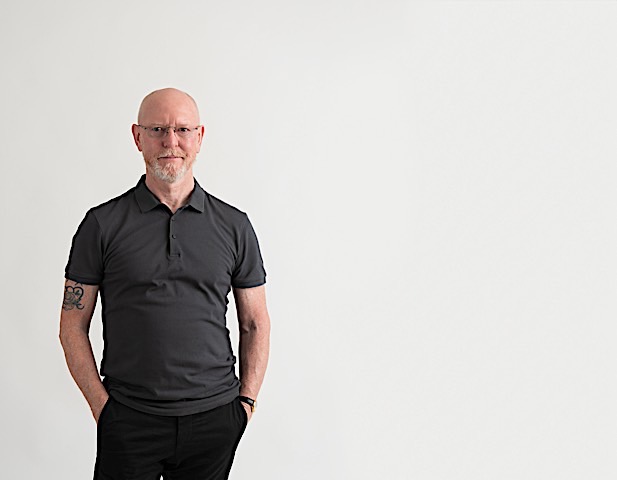
Meredith Fuller does many things. She is a widely quoted psychologist with a focus on career counselling for over 30 years. She packs a lot into her busy life including being an author and theatre creator. Her observations on life and work are well worth listening to. Her website can be found at https://meredithfuller.com.au/
Connect with Nigel Rawlins
website https://wisepreneurs.com.au/
Linkedin https://www.linkedin.com/in/nigelrawlins/
Twitter https://twitter.com/wisepreneurs
Downloads
- Embodied Intelligence Self-Assessment
- Professional Reputation Audit
https://wisepreneurs.com.au/free-assessments/
Please support the podcast
https://www.buzzsprout.com/2311675/supporters/new
Stay one step ahead with The Wisepreneurs Insider newsletter
As a subscriber, you'll get:
- Sneak peeks at upcoming must-listen podcast episodes and guests
- Bonus wisdom straight from recent guest experts
- Marketing tips to attract your ideal clients
- Productivity hacks to streamline your independent business
- And more exclusive insights are delivered right to your inbox!
- Don't miss out on these invaluable resources
- Subscribe now and gain the edge you need to survive and thrive as a wisepreneur
Welcome to the Wisepreneurs podcast where women 60 and beyond redefine work with purpose and confidence. I'm Nigel Rawlins. Your Guide to building a resilient career through self employment, consulting or new ventures. Each episode delivers practical strategies, expert insights and intellectual capital to master business marketing and technology while staying mentally sharp and aligned with your goals, we'll explore networked entrepreneurship, authentic branding, AI powered work, cognitive vitality and resilient transitions to unlock opportunities and create a future filled with impact. Join me to transform your experience into a thriving, purpose driven career. This is Wisepreneurs. Let's get started. Hello and welcome to the Wisepreneurs podcast. My name is Nigel Rawlins, and I work with a range of women who are professionals in their field. They're often 50 to 60 years old who want to start their own business in this podcast, I'll be interviewing a range of guests who will be able to tell you how they've done it themselves, and others who will give you hints and ideas and tips and maybe the confidence you need to go out and start your own business. I first met Meredith Fuller, more than 20 years ago, during a career development program for primary school teachers, her feedback to me at the end of the three days was to get out of teaching before it killed me. I did, and I've kept in contact with Meredith ever since. Meredith is a psychologist who specialized in career development for over 40 years. We talk about women, work, careers, vocations, skills, possibilities, opportunities and some choices you may want to explore. Well, welcome Meredith to the Wisepreneurs podcast. You work as a psychologist, and you help people with their careers. Can you tell me how you got into that?
Meredith Fuller:It's very unusual story. When I was a child, my mother was a deserted wife. We had no money. It was before we had any social security benefits, and she was in a situation where she couldn't work because she was at home looking after her disabled mother and aunt, and I was approached by athel Smith of international photographer at four to become a professional child model, and that led to becoming a professional actor. And I also did the training at the National Theater in acting, and I had an epiphany when I was eight or nine that sealed my career development. And this is unusual, because most people don't know what they want to do until they're much older, so I'll explain, because it helps us understand why I can have continued to work in career development for over 40 years, where normally psychologists don't spend very long in this particular field. I was the youngest in the class. I'd won a scholarship to do the next group up. So I was very young. We had an improv evening where they wanted a psychiatrist to interview the other students, and they were coming in doing weirdo, funny talks and whatever. And they all said, Oh, you do that now, you know, because no one wanted to do that. And I sat there, and each, you know, it's about 20 of them, each person came through, and they were all being, you know, over the top. And as I sat there asking them questions, listening to them, I had an amazing knowing I want to be a psychologist. It was so clear to me while I loved theater and writing and the arts and drama and whatever, I knew that wouldn't be enough on its own. I had this feeling that I would always do lots of things, but that would be the central location. And I'm always curious about things, and I follow my curiosities even when I was very young. And when I was in grade six, and then when I went to high school in my first year, I did a very unusual thing. I wrote down everyone's name in a notebook, and I wrote down what I thought they would end up doing in their future. And so very odd thing for a child to do, but I was very good at it, because over the years, this is actually what happened to so many of of these kids. And I realized there was something in me that was so good at understanding someone's personality, their behaviors, their values, their interests. And i i. An observing behavior, and I could see what would be likely trajectory for them. So that's where it started. And over the years, I fell into all the right courses because of unexplained accidents and bumping into people. There's something we call propinquity, which explains a lot of people's career development. It's something about who you hang with that impacts. So I did my degree, my post grad, my master's, worked in a university, went out on my own into private practice, and have really dedicated my life to being concerned for people and working with people, but never losing sight of my interest in expressive arts, creative arts, and wanting to help as many people as possible understand themselves
Nigel Rawlins:well. Talking about careers. You actually worked with me over 20 years and helped me make that shift, making a shift, and especially with this podcast, we're really talking about professional women making a shift to self employment, if that's what they want to do. Let's talk about work for a moment in the past, and I think it's pretty clear nowadays that work used to be a three stage process, or something like that. You'd go to school, you go to work for life, then you retire. And it seems because we're living longer now, and work is a lot more precarious and different, that it's a multi stage career, that you could be in and out of work and doing a whole range of things. So what are your thoughts about work nowadays?
Meredith Fuller:What's interesting about women is historically, they've had multiple roles at different times that didn't necessarily reflect the trajectory of a lot of males. So they might have had periods of unemployment, underemployment, home duties, part time, family business support, and that's been really good for women, because it helps them develop all of the parts of themselves. And then, as they've become older, we notice that people are far more interested in being true to themselves. If a relationship isn't working, if it isn't good for both of them, they're more able to go on their own, or they they're forced to go on their own and be self reliant. So we're actually finding a huge number of women in their 40s, 50s, 60s and 70s, who are starting their own businesses, home based businesses coming in as consultants, leadership project teams, developing all sorts of work related activities, multiple jobs than ever before. And because we're living longer, they have far more opportunity to really exercise these talents. And it's very helpful, because Neo work, the work that's coming in the future, is about a meandering path where you do the work that you wish to do, that needs to be done, that people will remunerate you for at different times, and it doesn't last forever. And it's something about reflecting the lifestyle and the self that impacts on what happens, and also the tribes that you move with, the people that you bump up against, like the propinquity, the odd connections that mean you'll be able to do A, B, C or D and so on. So the women who always had a very unusual life are so well suited to now where we're recognizing that a lot of the skills they have make them excellent leaders, excellent business owners, excellent entrepreneurs. I think what's exciting is that we don't know exactly what the shape is, but what we do know is that there are unusual opportunities, and these all have to be tempered, obviously, with responsibilities. Who you have commitments to, you know, being able to have enough money to function well, but more than ever, it's a very exciting time to live your dreams, and I find a lot of women will end up doing something that perhaps they considered as a very young child, or reflected something about their play or their interests, or the books they Read or the films they loved that they really probably didn't recognize at the time, but now can embrace. Unlike traditionally, a number of women only had a few different roles that they could envisage, because most jobs that we have now weren't even in existence
Nigel Rawlins:because one of the issues. That I think about is, in your career counseling, you've got people who are maybe younger, who are not necessarily satisfied in their their jobs, and they're trying to explore what is probably more attuned to what they're in. How do you work with those people, if they're younger, obviously, if they're older, they've probably had quite a bit of career development in their own self. So how do you balance those that say somebody younger, somebody older? What advice would you give them if they came to you and say, Look, I'm not happy in the job I've got. What should I do?
Meredith Fuller:I'd even go back another stage. And I'd say, let's look at it sociologically. We have so many young people who struggle to have a place in their family, in their social group, intra psychically with themselves. They don't know who they are. They don't know what their values are. They don't know what their personality structure is like. They don't know much about the self, because we're not a reflective society, so they feel very lost, and they can have unreasonable expectations about what the world offers, because we we imbibe these weird messages about you can have it all. You can have it all now get to the top. You know, you're a loser unless you make a lot of money or you have to work for yourself and be successful, and that means certain things, and it's got nothing to do with that individual. So they don't really understand the self in relation to how they need to live their lives. There's a lot of issues I think about not understanding who am I? What do I love to do? Where am I least stressed? What comes easily to me, what's joyous for me, and what am I intrigued about? So one of the first things is getting people curious and interested in things, because so many people are so stressed or struggling with issues of anxiety and depression or feelings of isolation. They can't even hear that little voice within that whispers. What is your vocation? What? What are you here for? And also, the other thing we have to understand is that there isn't enough work. And what is work? Well, if we, if we enable people to say, think of your life in chunks, and what's the chunk that's best for you to be doing right now? It may be working, it may be parenting. It may be helping family. It may be reflective time. It may be traveling rather than thinking of a line that is to be followed. This, this idea of a meandering life makes much more sense, where we really have to be open to possibilities that may present themselves and learn what to say yes to and what to say no to. So the first thing is to get them to take an internal journey about, Well, who am I really? And that's the hard part for a lot of people, because it it means they need to look at their behavior. It means they need to understand what drives them, what motivates them, what exhausts them, feedback from other people, observing what they're drawn to do, what they avoid, getting a sense of trying things out. It's hard work, but it can be helped with vocational inventories and tools and questionnaires and methods and techniques to help them accumulate the sort of material they need. But one of the things that seems to me to be pivotal having at least one other person in your life who believes in you, who cares for you, who supports you. We only need three, three to five people in the world to help us be human. But if you can have at least one other person, it could be a parent, a teacher, a colleague, a neighbor, another student, someone you meet when you're at school, someone else who can hold you in mind, who can validate you and help you process. How can I live my life? Because for a lot of people, they will never know what they really want to do, but they just know who they like to hang with. So you encourage them to spend more time with their tribe, the people who are like them and learn by exploring what works and what doesn't. So it's messy, it's untidy, it's not structured. And this is the world we're in now. So the most lost, ironically, are the most found now, whereas the younger people who have a very rigid plan. Well, I want to be a lawyer, and I want to do this, and I want to do that, and I want to do it in this amount of time, and they've got a very specific plan. Life isn't like that anymore. So being flexible enough to roll with the punch. Measures and understand that you need to look at your life in Toto. It's about lifestyle and not measure yourself via the success of others, very hard when we're bombarded all the time with social media and other platforms that show that everyone else seems to be having a ball with lots of disposable income and lots of friends, and everyone is having a terrific time, and the individual can just feel neglected and invisible. So it's helping people find out who are they really and what's the true life for them, and how can they manage to incorporate enough to live enough relationship, whatever that may be, and a sense of reasonableness. It's not reasonable for people to be 100% happy in a job. It's not reasonable to always be earning more. It's not reasonable to always do the same thing or expect that that place will be there tomorrow, because most places we find a merge, disappear, fail. It's something about seeing yourself as the product. You're the product. People want you for something, and there'll be an exchange of energy, whether that's money or bartering or whatever, and living a consistent life with your values, attitudes, behaviors, responsibilities and what you can manage at the time, and being able to delay your gratification, if you want it all, and you want it all now, you're going to struggle.
Nigel Rawlins:That's definitely true. So really, what we're talking about there, in a way, is transitions, making shifts, knowing when to make a shift. So the clients you've had in the past with career transitions or not happy, what makes them come to you? Stay inspired with the Wisepreneurs newsletter. Every week, I share exclusive strategies on business, marketing and tech for women 60 and beyond, drawn from over 67 podcast episodes and 100 articles. Visit wisepreneurs.com.au, to sign up and get my free career reinvention checklist today. Don't miss out. It's
Meredith Fuller:I'm most interested in people who are not happy and who are struggling in work. It can be making them physically, emotionally, mentally ill. It can cause great distress that impacts on their lifestyle, their health, their relationships, their sense of self, and they will come to me because there's something incredibly wrong. They're invisible. They drag themselves out of bed, or they can't get out of bed when they're doing their job. It feels like torture, like they're in quicksand, or they're drowning. They're prevented from enacting their true selves. So it's like a voice internally that says, This isn't what I'm here for. This isn't my purpose. So people really tend to come because they want to understand their purpose, and also people have difficulty if they appreciate what their purpose might be. How do I make this happen? One of the biggest difficulties is impatience. Most people are so impatient and they don't understand that transition, change, movement, growth, development is not linear. It can't be predicted. But we need to help them understand how synchronicity, propinquity, doggedness, hanging in there and doing things that look like a zigzag can assist so everything is strange. Like some people will come and they'll say, look, I want to do X, I hate my job. And then when you explain, this is what you do, this is what you do. This is how you might train. These are the people you'd be with. This is part of what the job entails. They're shocked, oh, I don't want to work that hard. I don't want to give up my salary. I don't want to study that'll impact on my social life. Oh, yeah. And then they come back 10 years later and say I'm in the same situation, I'm even more unhappy. And we say 10 years have passed, the same period of time has passed. You didn't do all those other things. If you had done those other things, there could have been a shift. So you see that it is a longer range issue, but the time still goes on. Sometimes people won't have the opportunity to make massive change until something happens. So we talk about our archetypes, and we talk about life, different stages in your life, the first half of your life you're expanding, growing, and the second half of your life you're coming with. In the self. So there's an extra version of the first half that's different to the introversion of the second half. Usually for the second half of our lives, we understand the self more. We've had more time on the planet to work that through, and there are more and more opportunities all the time, because our society is throwing up opportunities and taking away opportunities. So the terrain changes. If you're able to say, I understand where I function well, where I feel in my true skin, where I feel visible, validated, I can live with doing work that maybe gives me 40 to 50% satisfaction. Gee, if you get 60% that's great. The odd person might get a lot more, but generally speaking, if most of the time it's good enough, that's terrific. It's hard for people to appreciate that. It's all the unexpected things that can assist as well as the planfulness, because we're actually inviting you to take a chance and take a risk, and you don't really know where the journey will take you. You can really only map your career retrospectively. It's like at the end of life, you can look back and say, Aha, now I know why I'm a wisepreneur, very successful, running my own business now at 72 Yeah,
Nigel Rawlins:unfortunately, it can take 20 years, and I think this would scare most people off. I mean, how do you live? How do you pay the rent or pay the mortgage? If you're going to make that sort of shift,
Meredith Fuller:number of people are making new decisions, like we have quite a number of younger people who are saying, Look, I don't need to purchase a house, I maybe won't partner up. Maybe I'll spend a life where I live with friends, maybe I'll travel. Maybe I'll redefine my expectations about consumerism or what's important in life. I might recalibrate lifestyles because I don't want what goes with that other picture, which is feeling that I'm in jail. So people will have to look at what's important to them. And that might change every few years. That might change, and you don't know if you can't listen to the self and what it's whispering. And there are some physical constraints. So for example, if you choose a and b, that means you can't do D and E for maybe the next eight years. But then you can, if you play with how that might be about. So if you can't delay your gratification, sometimes you end up getting nothing that you want and everything you don't want. So it's being able to tease out what's best for me right now. Who do I best need to be with, and what can I tolerate? A number of people are able to say, I'll tolerate a day or two a week doing things that perhaps don't thrill me, but enable me to live well enough as I study, retrain, volunteer, learn, travel, meet other people and see that as a journey. So it really is asking us to question our expectation. One of the exciting things now, a lot of young people say we don't have to have traditional roles. A lot of young men are able to say, well, I don't want to work. I love home duties. I'd like to be with children, or I want to do my art. Women who can say, I don't want children and I want want to be heading up a huge organization. We're much more flexible now about who are we, who are we not? And that's very exciting. We're also changing the order of things historically. You know, there's women as Maiden, you know, then you know, the partnering, the married woman who has children, then we might have the Crone. She's She's the wise woman who's older, but we're not doing that in sequence anymore. We might have Athena, who's out there traversing the world, righting wrongs, and doing great things. And we might find that we didn't want to have the mother within us early on, but we might want to do that in our mid 40s. So people are changing the order that they do things, and they might find that they don't know what they want yet, and they're able to sit with the ambiguity, if you understand what's possible and what's likely, and you can tolerate and live with it that's important. Some people might have unrealistic expectations. They don't see themselves accurately, they don't understand what they don't know, and they don't know what they don't know. So they might want to do something that just ain't going to happen, that whole. Career area is gone. It wouldn't have suited them. It would be a struggle. But there's something else emerging that they wouldn't have even thought of, but they don't know until they just play at it and it happens. So it's something about being with other people where you are most relaxed and can go with your flow, and those people can help you see what you're really best at so for example, for a number of people who are discontented, it's often because they really don't belong in a large group and in a structured group and going to a place, they are people who are far more mobile, and it's about movement and who they bump up against, with and doing different things and following their curiosities, and it's to help people understand what their process is that seems to be critical, and also help them to quickly learn how to skill up. You know, in the old days, it was all of go and get a degree. Well, we haven't got time for that. Sometimes you can skill up in a three month course. Or you can skill up by following someone doing volunteer work, accompanying someone doing short courses, figuring out by yourself. There are many ways of learning now, so it's more about understanding what your gaps are and what you need to infill. Sometimes we're learning that it's better to work with your strengths and say, Well, look, I have a gap, A, B, C, D, but I don't want to go and do MBA. I'll pay someone to do the things I'm not good at or I don't like, get together with a group of people where they all share their difference. So it's learning about relationship. And of course, one of the ironies is we're looking at all of this in this digital age when a lot of us are losing our capacity for relationships. So this is why we're really inviting people to learn what's healthy and learn how to have satisfying relationships, because they are really pivotal in self care and being able to connect with the new work possibilities. My
Nigel Rawlins:question there is, who is going to best do this sort of work for themselves? I mean, is this for everybody? No. So what sort of person can actually take the stress and make the leap and do this sort of stuff and take the risks involved and maybe spend money that they saved or something for the rainy day.
Meredith Fuller:Okay, so I guess most people could probably relate to a wonderful cartoon learning did once and someone's hanging on to a rope and on the one hand, saying too scared to let go, too scared to hang on. So he's stuck. This stuckness can actually describe someone's entire life. And as I said, Whatever happens, time marches on. So you can look at yourself stuck and you can still be stuck 30 years later, or you can say, I will surrender. I might drop down into less, I might shimmy up into more, but if I stay stuck, there's no movement, there's no growth, there's no difference. Who is more likely to want to move, the people who are curious, the people who do feel very constrained with structure, order, large places with defined roles, they often ache for ambiguity and difference, people who have supporters. A lot of what's happening now is we've got situations where you might say, I'm going to let go to embrace something new. It will cost me. I'll have to study. I'll have to let go of my prestige, my title, my car, and I don't even know if training in this way will lead me to work, but I must do it, because this is who I am. But I'll do my research first, and part of that is hanging around people who live the life that is more congruent with who you are, and finding out, well, how do they manage how do they do it? And often this reality testing is terrific because they'll have a look and they'll say, oh, no, thanks. I don't want to do that. I hate it. I thought I'd love it, but I hate it. Expressive Arts, for example, sometimes we have a fantasy. Oh, look, you know, I really want to be a stand up, or I want to be a dancer, or I want to be an actor. And then you find out, what does it mean? Oh, don't like this. Others will say, gee, this is so important to me. I'm prepared to do another job just to buy food, because doing this expressive work is my life blood and wow, I meet all these other people where I can learn about ways to live more easily by asking. Most of us think we're only resourced within ourselves, and we look within ourselves for our resources, rather than say, there's a whole lot of other people that can help resource. Us if we know how to ask. So it's learning. What are the questions that can really help people? That's
Nigel Rawlins:wonderful. Well, is there any more advice you think that we can offer, or somewhere to look or something to read, or some way to explore into this for them, I
Meredith Fuller:reckon if you're very stuck, it's helpful to go back and consider your childhood, your early childhood, what did you love doing the most? And it's process. It's not specifics. You have to look at your theme. I've always been interested in what people do when they don't have to do anything. What are the films you see, the books you read, the people you gravitate towards, the fantasies you have, the behaviors that you love, exaggerate them, explore them. Ask yourself, who are the people that you value, admire, respect, the strangers, the celebrities, the people in your street, the other students at school, find out. What do they do? How do they do it? Hang with people. See what happens. The more you're exposed to the more you can understand this. And then have a filter to say, I like it. I don't like it. I enjoy it. I don't enjoy it. It irritates me. And I'm I'm exhausted, or, wow, I just feel so energized. It's something about life, blood and energy, and that's often a good clue. But it's also about, how might I make this happen in an unusual way? Some people will say, Okay, this has to be a 15 year plan. But, gee, if we're living till we're 100 what's 15 years? Or, okay, if I do a for a couple of years, that will help me do B. Or, well, hang on, I really want to have a baby. I'm happy to stay with my baby for a couple of years and delay this other thing, because I can't have it all, literally at once, or no, I'll choose something else, or I'll move, or I'll rethink how I spend or how I do food or whatever it is. So you learn what you need to survive and flourish, and it's always good to notice what comes easily to you and notice who do you work best with? People will notice there's a real subterranean underground that's that's happening with lots of like minded souls who help each other, support each other, have a different way of living that's not caught up with the shoulds and the musts. And, you know, living the as if life, I have to live an as if life that suits everyone else. I've got to make my parents happy, my friends happy, my partner happy, my Facebook people happy. Really, what it's about is saying, What do I crave and what's congruent, and what can I sustain? What doesn't make me sick, what energizes me, and maybe it means that one day a week I do something I love, and maybe I don't get paid, I volunteer, but that one day a week nourishes me for three days that I do two other different jobs, and I can live with that. So it's it's understanding those maps, and it's also appreciating we will lifelong learn and we will lifelong need to understand that humans are social beings. We have to understand our interpersonal ability. We all have different interpersonal skills. What are they and who brings out the best in me, who brings out the worst in me? And what can I tolerate? When will I say no to exploitation? When will I say no to this is such a bad fit. I refuse to doing this. Often it comes down to life and death. A lot of people I've seen say, if I keep doing this work or this lifestyle, I will die. That's a really good motivator for looking at other ways. Everything you read, everything you see, everything you listen to, everyone you talk to, you learn something from even if you learn, oh, I don't want to do that, or I can't do that, or, gee, that's amazing. I'm going to learn more about that. So it's all about tolerance, and it's certainly about not giving up. People who give up too quickly, people who say, Oh, well, if it doesn't happen in, you know, 2.6 years, oh, not doing it. The irony, sometimes it can take 20 years, 30 years, 50 years, two years. We don't know, but it's about moving more towards something where it's healthy, it's satisfying enough you feel that you're in your own skin. You feel you're being your true self, and you're able to tolerate change. And some of us will seek change and difference, and some of us know hang on. No, I'm better with structures, so I'll tuck. In with people? No, I'm hopeless in structures. I've got to get out and do something without them. So the more you know yourself, the better. But if you understand your personality, and as you grow, your personality develops and what you need at different decades in your life, that can really help. And do you know? The funny thing is, when you talk to people about what's the most meaningful, and it's interesting. We're doing a lot of work at the moment talking to older people about what is most important to you, they all say the same thing. I used to think it was success, which was recognition or money or possessions or being visible or whatever. No, no, no. It's about love, or it's about having a couple of people with me who care for me as I care for them. And I realize now I just didn't get it then, but I understand now. So it's trying to figure out what what is that thing that draws you? Some people love tasks. Some people love people. Some people love starting. Some people love finishing, to understand who you are and what defines you. You're a seeker, searcher. You're always curious. You're always exploring the new, the different, the novel. You always run into different people. You will always do that no matter what you do. The worst thing for you would be to shut up in the silo where you're not able to explore what intrigues you. So if you understand your process, you realize, well, hang on a minute. Is it really true that I'll, I'll end up sitting on the street the rest of my life and stuff to death? No, there are resources we can plug into. There are people who can help us. There are people further along the path. So I say, explore everything possible, but don't sit there, being stuck, feeling invisible and in pain. We should never tolerate that degree of pain.
Nigel Rawlins:Now, is there anything else we haven't talked about? Think we've covered a lot there. I know I'm sounding a bit esoteric. No, no. I think it's I think it's very relevant. What we're saying is, if, if you're not happy in your life as it is right now, you're going to have to do something.
Meredith Fuller:Yep, and the best thing to do is anything. A lot of people will go and join a group, or they'll go and learn a new skill, or they'll volunteer somewhere, or they'll have chats with people about things, or they'll do a CAE course, or they'll just studying something because they're interested in it, and, oh, gee, I was interested in history when I was 10, and I haven't had time because I've been so busy doing economics, but I'm going to do it now. It's it's following up those little things that you just adore doing that thrill you. I noticed that when people are on the right path, they could be dead tired, but as soon as they're with the people or doing the task or reading something or seeing something or making something that feels exciting and energizing, they come to life and they say, goodness me, I was so exhausted, but I am just bubbling over with energy and joy and brain power, and that's a clue. And as I said, you can't have that peak experience. 24/7, we have to be reasonable. You have to know all the emotions. So let's get real. We can't have a sense of entitlement to excellence and and everything perfect all the time. If I want to know sadness, I need to know joy. If I want to know boredom, I need to know excitement. I have to know the opposites, and I have to integrate my opposites. So often that journey to the self is the most intriguing journey to have, and other people can help you take that journey, guides, psychologists, counselors, friends, partners, spiritual, people, books, films, everything can be a mirror if you are open.
Nigel Rawlins:Great. Well. Meredith, how do people find you? I
Meredith Fuller:have a website. My websites, www, dot Meredith fuller.com.au,
Nigel Rawlins:yep, and we'll put that in the show notes so everyone can find you. And how do you work with clients? Do you see them in person? So all
Meredith Fuller:sorts of ways, but I work with individual clients according to who they individually are, and this is the important thing, we're all unique, but there are patterns we can recognize. If you understand what the pattern is, you can move towards work that's meaningful when you're helping that person determine or who am I really and because I'm interested in patterns. And I'm interested in psychological profiles, and I'm interested in personality, and I'm interested in types of people, and I'm curious about where the world's going next and what's happening I will work differently with different people, and therefore I can't give you a definitive response, but there are many other people too that I refer to. So there might be some people that I see, oh, you'll need this approach. I have a colleague I'll refer you on. So it's about meeting someone else and appreciating I can shine the torch a little bit further ahead, because this is the work I do, and it might be shining to a process with me. It might be shining to a process with someone else. It might be recommending something to do, read, study, whatever, but it's something about loving the people who have the courage to say, I'm in pain and this is intolerable pain. What can I do?
Nigel Rawlins:Well, thank you very much. Meredith, it's been a wonderful talk, and I hope our listeners really appreciate it. Thank you. Thank you for joining me on the Wisepreneurs podcast. I hope you found it both practical and interesting. You can find out more by visiting my website@wisepreneurs.com.au thank you again. You music. That's all for today's Wisepreneurs podcast. Age is no barrier when you're a wisepreneur crafting a purpose driven career. If you found value in this episode, please subscribe, leave a review and share it with your network. Visit wisepreneurs.com.au to join my newsletter for exclusive strategies and ideas and connect with me on LinkedIn for more insights. I'm Nigel Rawlins, and I'll see you next time to keep building your future with impact. You.